

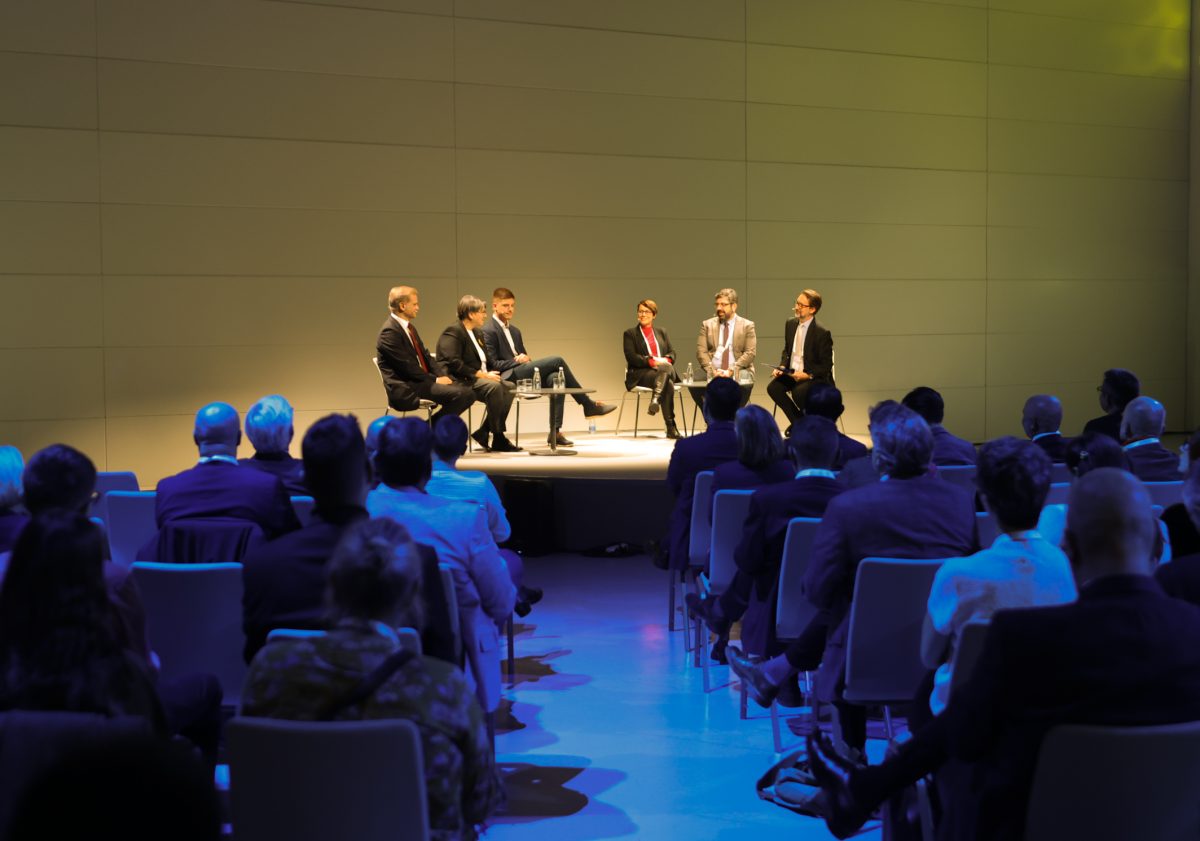
The opening panel began with a video documenting the large, student-led protests that have swept across Serbia over the past year. From there, the discussion moved to the broader political and social turmoil that followed the tragic collapse of the railway-station canopy in Novi Sad, as well as to potential pathways for overcoming the current deadlock.
The panelists agreed that elections represent the most realistic route forward, though they cautioned that in a deeply polarised society, elections may also intensify existing divisions. At the same time, they emphasised the importance of the civic awakening sparked by the student movement.
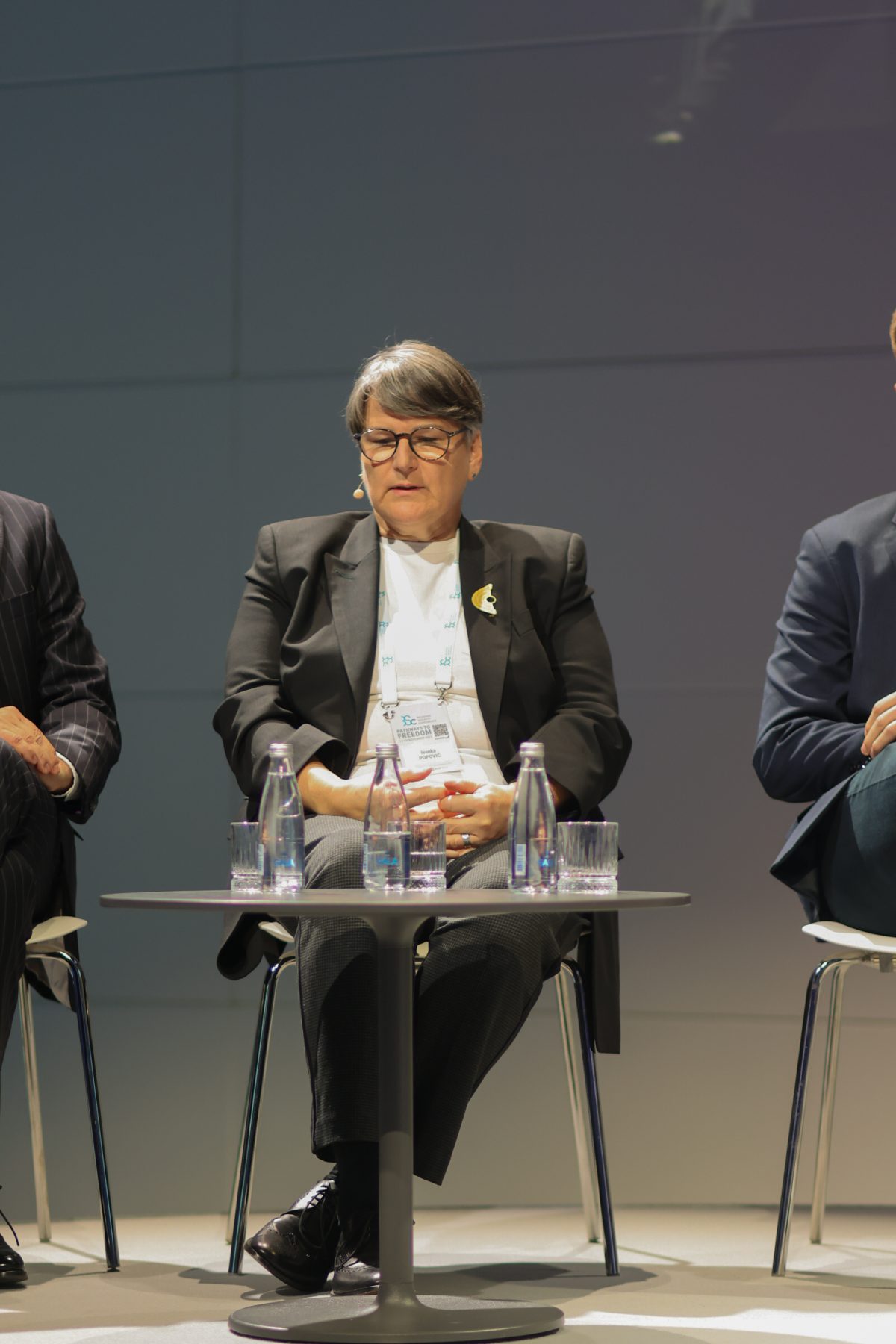
Ivanka Popović, former Rector of the University of Belgrade, argued that universities – which are under pressure not only in Serbia but globally – have played a crucial role in motivating citizens to demand change. Responding to moderator Milan Šarić’s question about the resilience of academic institutions, she stressed that no country can thrive without knowledge and education, and that universities possess the capacity to rebuild institutions when they are weakened.
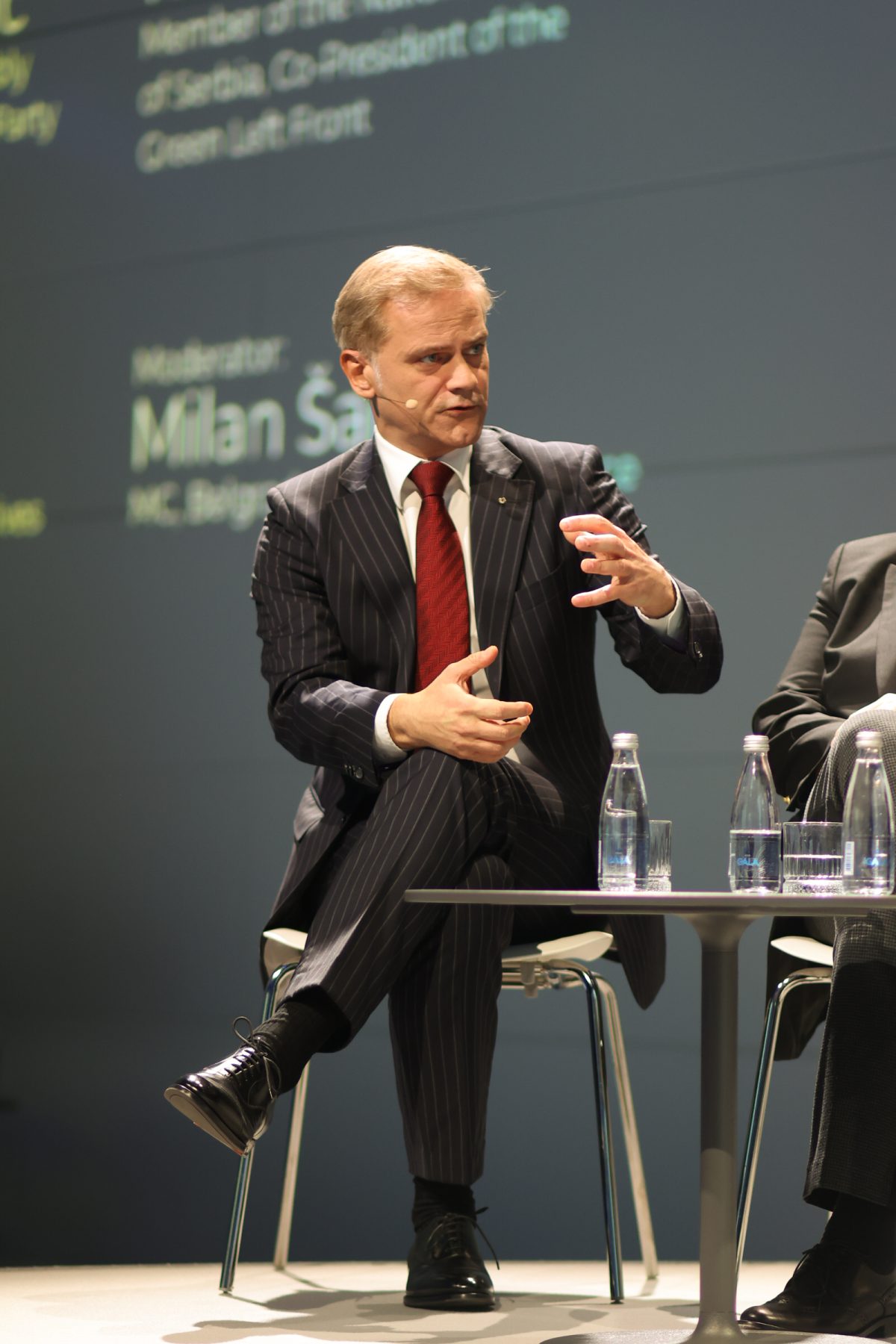
Borko Stefanović, Member of the National Assembly and Vice-President of the Party of Freedom and Justice, described the peaceful, student-driven anti-corruption uprising as the culmination of a thirteen-year erosion of democratic standards. He noted that meaningful dialogue is nearly impossible in a climate where the government labels dissenting voices as terrorists or “filthy blockaders.”
Maja Stojanović, Executive Director of Civic Initiatives, spoke with admiration about the young people who managed to unite the country. She highlighted the role of civil society in providing legal support and underscored that the most effective strategy for cooperation among different actors is for each to contribute from their own strengths. She pointed to the recent elections for the REM Council as a tangible victory for democratic forces.
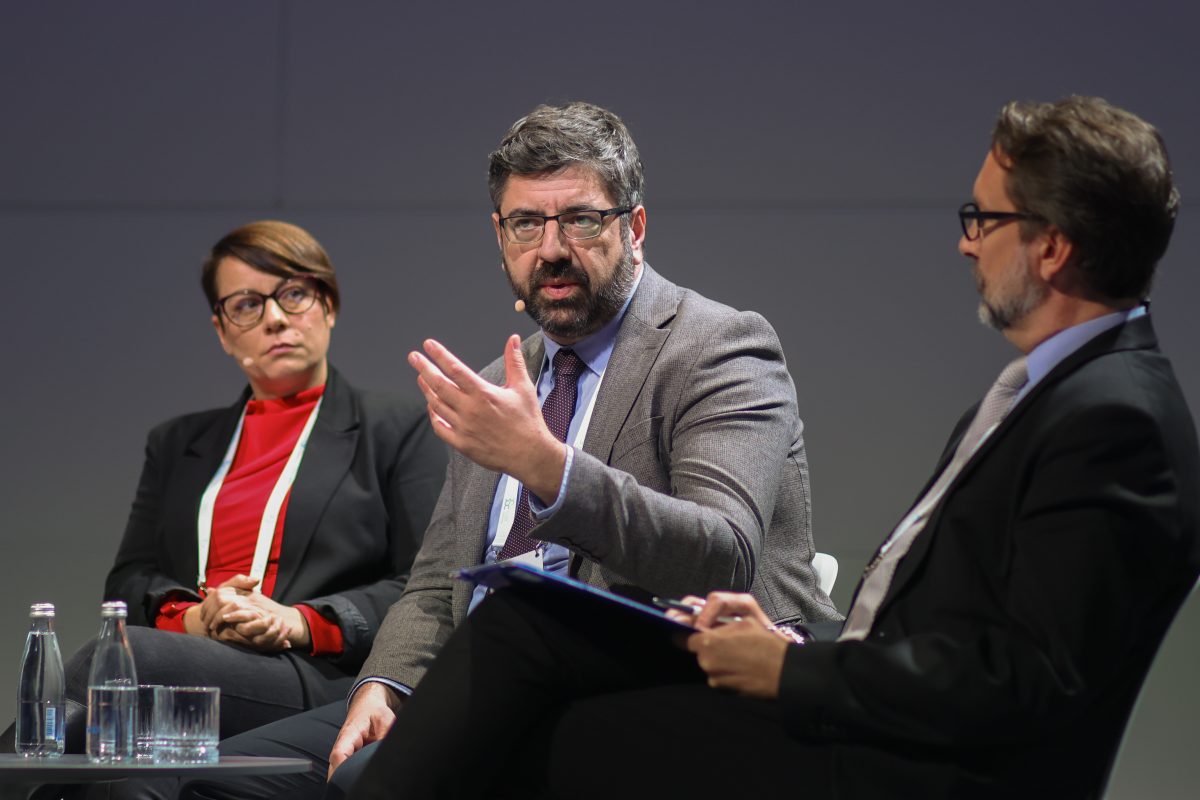
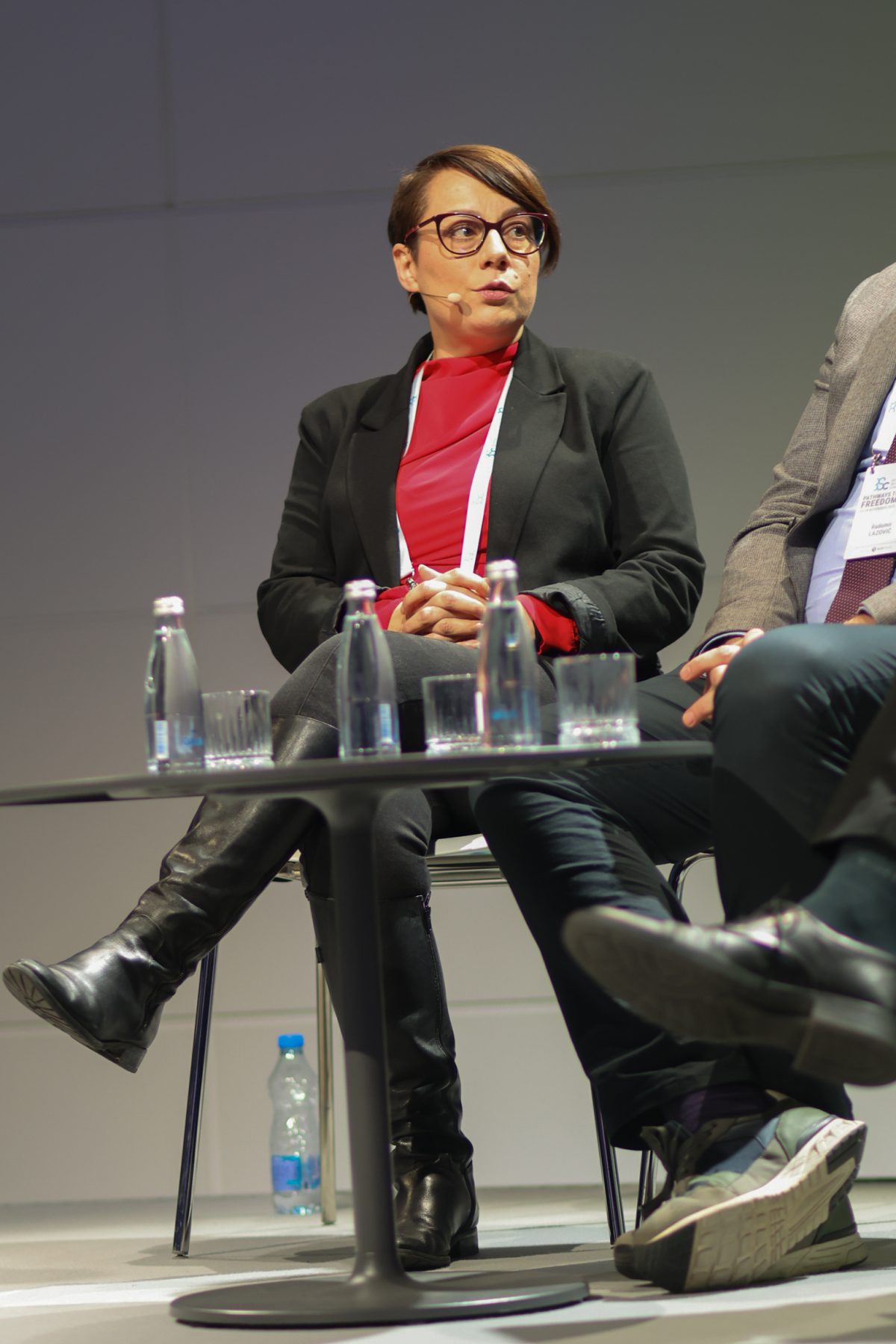
Radomir Lazović, Member of the National Assembly and Co-President of the Green Left Front, called for coordinated action among NGOs, independent media, the opposition, and students. Moving forward, he argued, requires stronger political articulation and clear positions from all sides. Asked about the possibility of a student electoral list, he stated that members of his party would not join it.
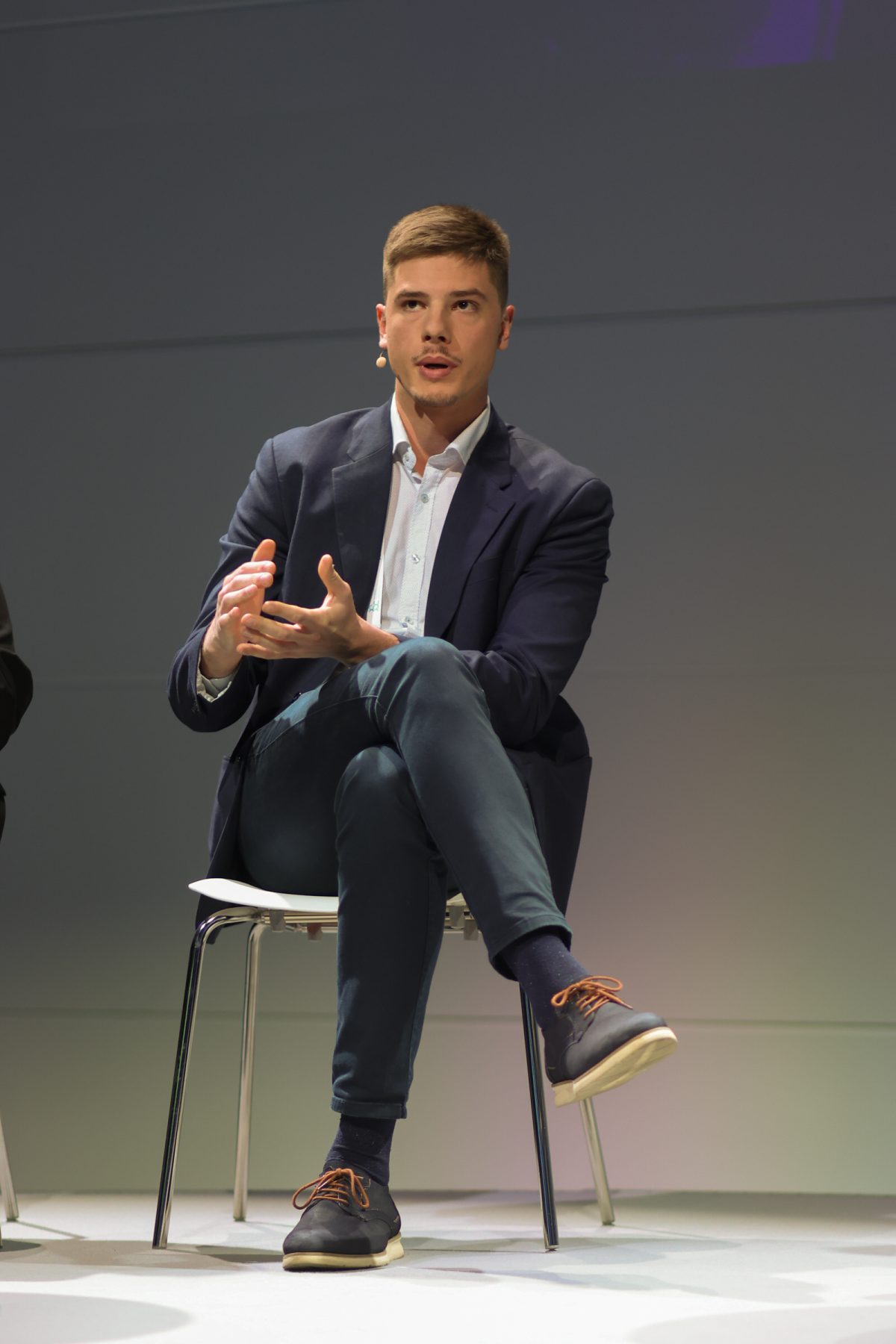
Aleksa Simić, a student at the Faculty of Political Science, described the movement as organically organised around the very principles students want to see reflected in their country – democracy, equality, and a space where every voice can be heard. He expressed his belief that the movement will leave a lasting legacy by helping to build a democratic political culture throughout society.