

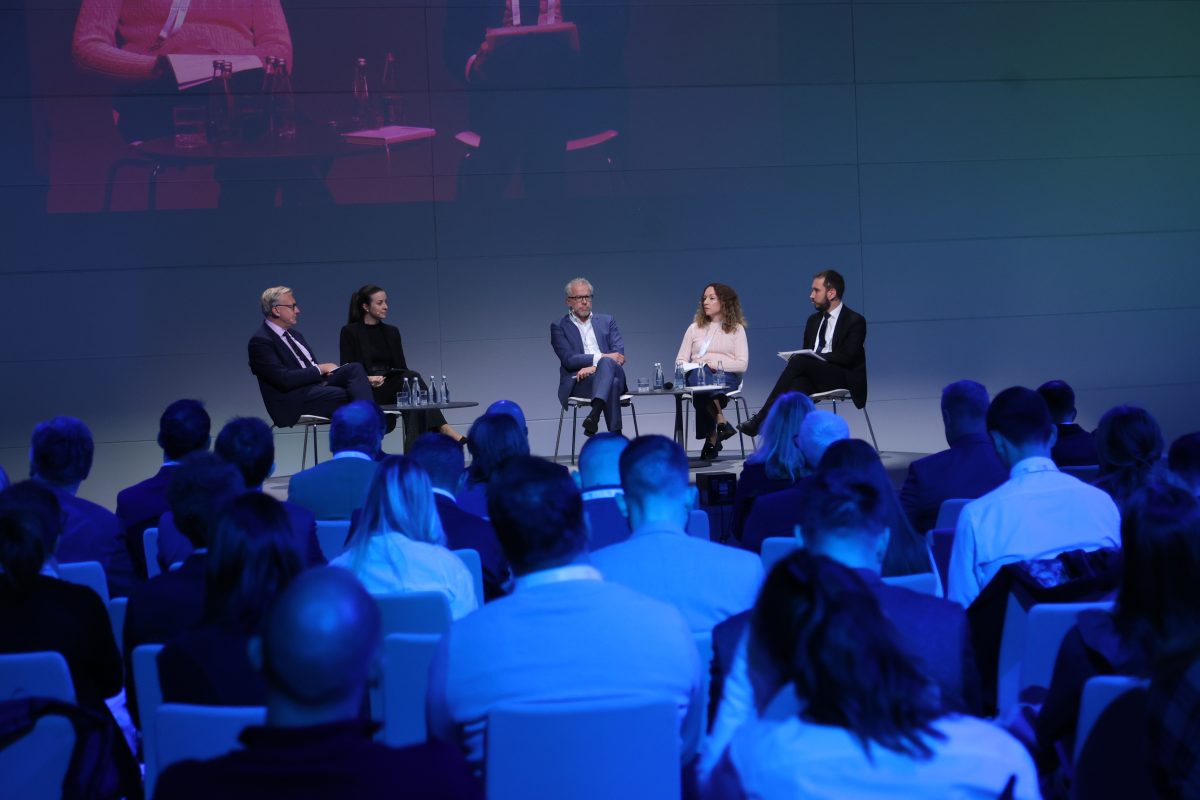
The final panel on the second day of BSC 2025, moderated by Nikola Burazer, Programme Director of the Center for Contemporary Politics, examined the European Union’s revived enlargement narrative and the prospects for genuinely positive developments by the end of the decade.
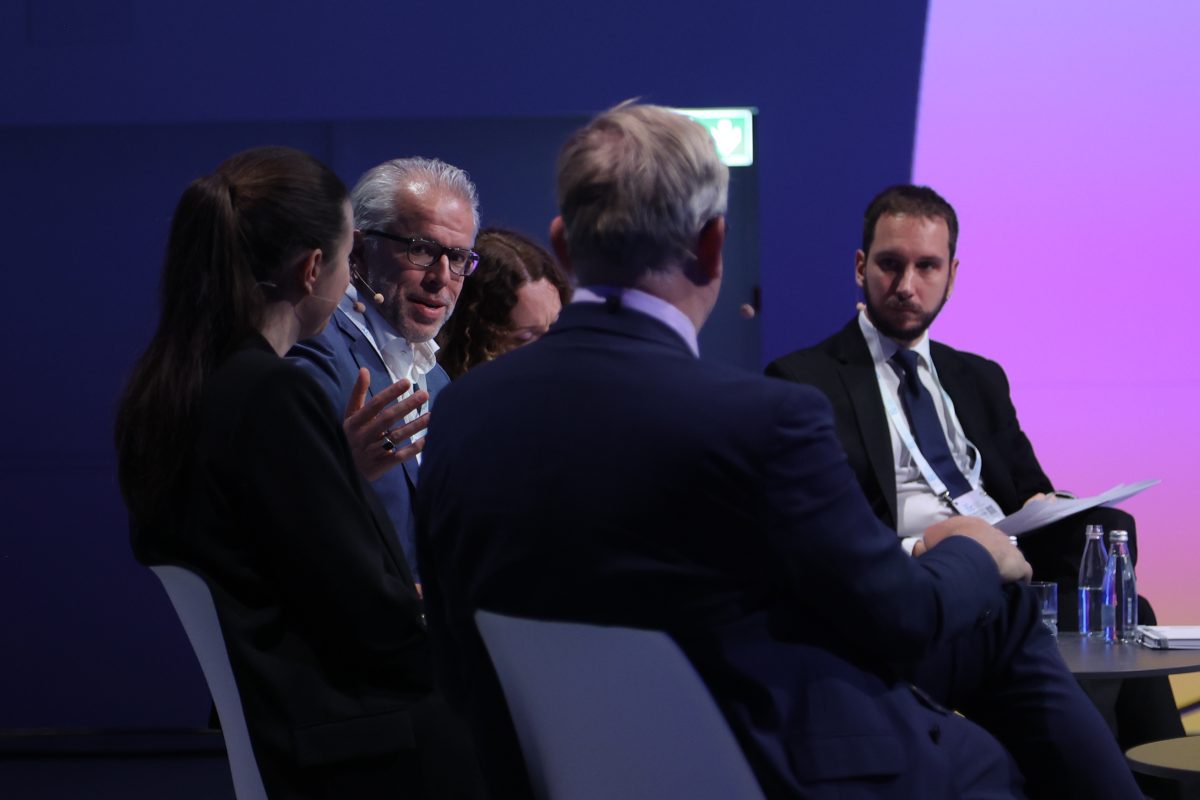
Participants noted that Brussels has adopted a more proactive stance and appears increasingly open to welcoming additional member states by 2030. Montenegro, Albania, Moldova, and Ukraine were identified as the current frontrunners. While institutional adjustments within the Union remain necessary, the panel stressed that these reforms must not become an obstacle to further expansion.
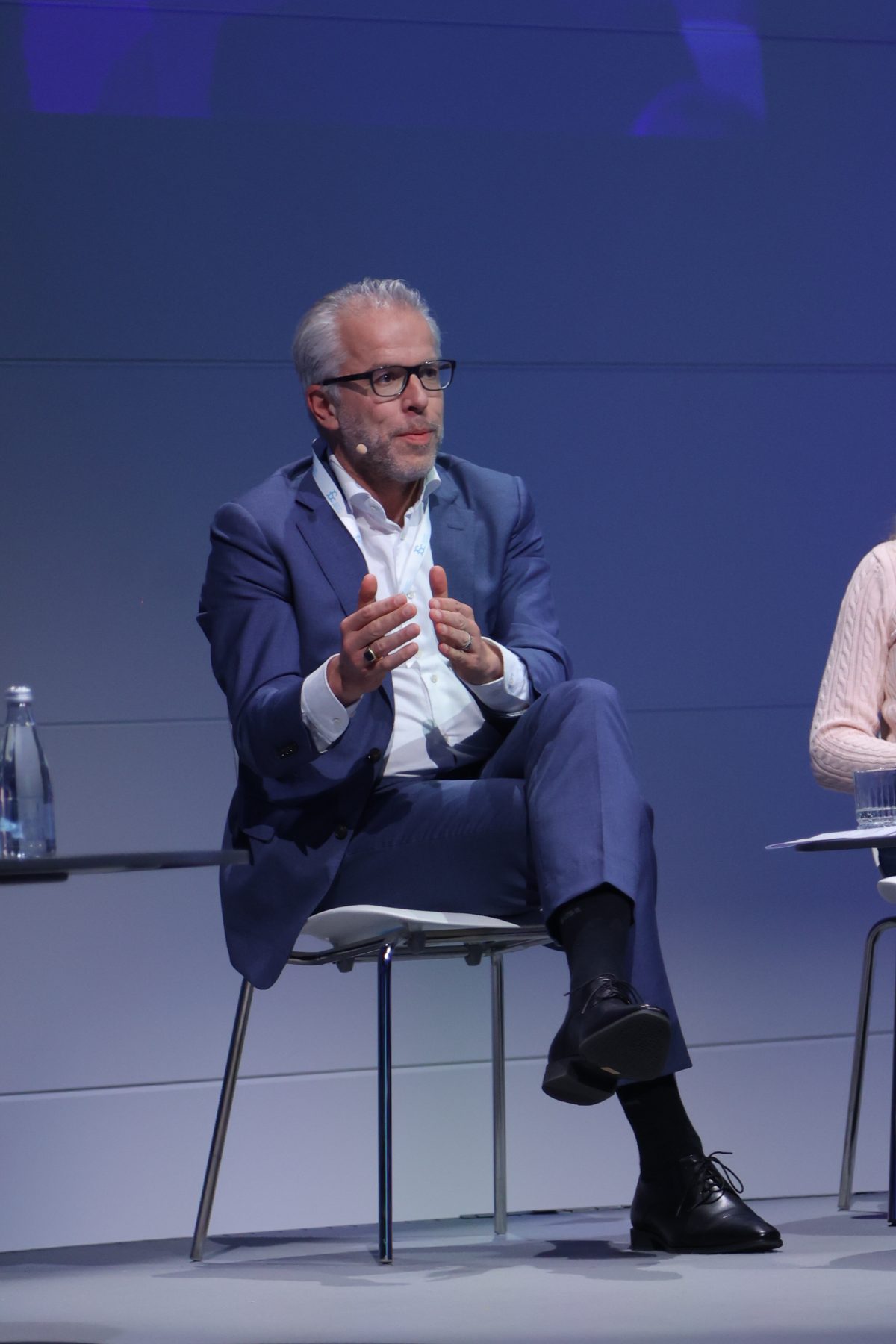
Steven Blockmans, Senior Fellow at CEPS and ICDS and Visiting Professor at the College of Europe, delivered an optimistic assessment of the EU’s current enlargement outlook. He highlighted Moldova’s dramatic progress, Montenegro’s advances in closing negotiation chapters, and the swift pace of reforms in Ukraine and Albania. Nevertheless, he warned that political readiness must be matched by technical progress – both within candidate countries and within the EU itself. Public support for enlargement currently averages around 56 percent across the Union, though attitudes vary significantly among member states, particularly where radical-right parties are gaining influence. Blockmans suggested that Montenegro and Albania could realistically join by 2030, and that other candidates may complete negotiations within this timeframe. Serbia, however, he described as facing stagnation or even regression at a time when geopolitical circumstances demand acceleration.
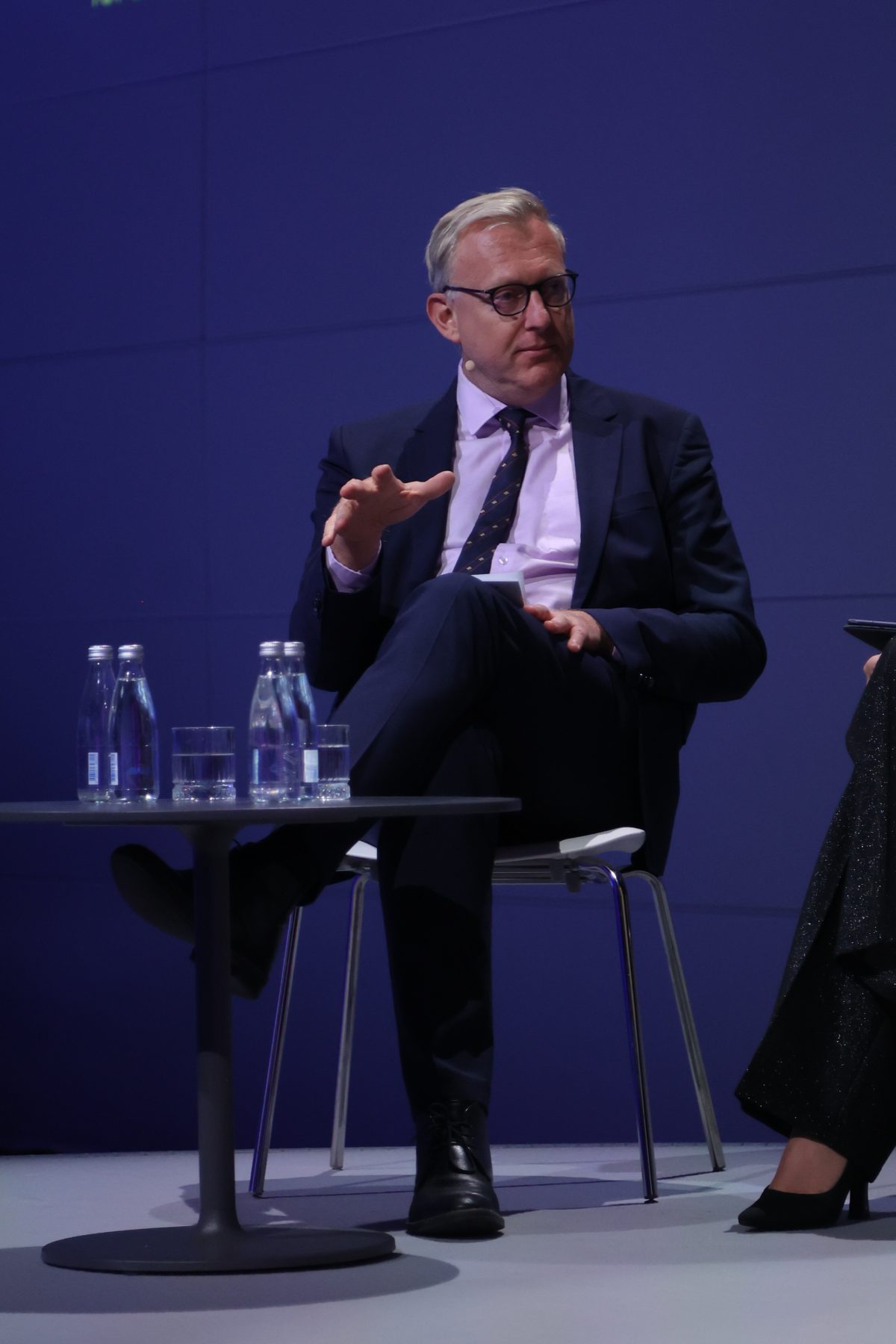
Thijs Reuten, Member of the European Parliament, expressed cautious optimism that Albania and Montenegro could enter the EU by the end of the decade. Reflecting on his campaign messages, he argued that admitting at least two new members would counter those who deliberately bet on the Union’s failure and would help restore trust in the enlargement process. Commenting on public perceptions in Serbia, he said it is unsurprising that protesters do not wave EU flags when they see European officials appearing too close to the current government, which damages trust in Brussels. Asked whether the EU better understands the situation in Serbia today, Reuten insisted that Brussels must remain impartial and allow Serbian citizens to determine their political future – while stressing that impartiality does not mean neutrality when democratic standards are at stake. Echoing student demands for the rule of law and transparency, he concluded with a message to Serbian citizens: “I’m a friend of the Serbian people. We want Serbia to be part of this Europe we believe in.”
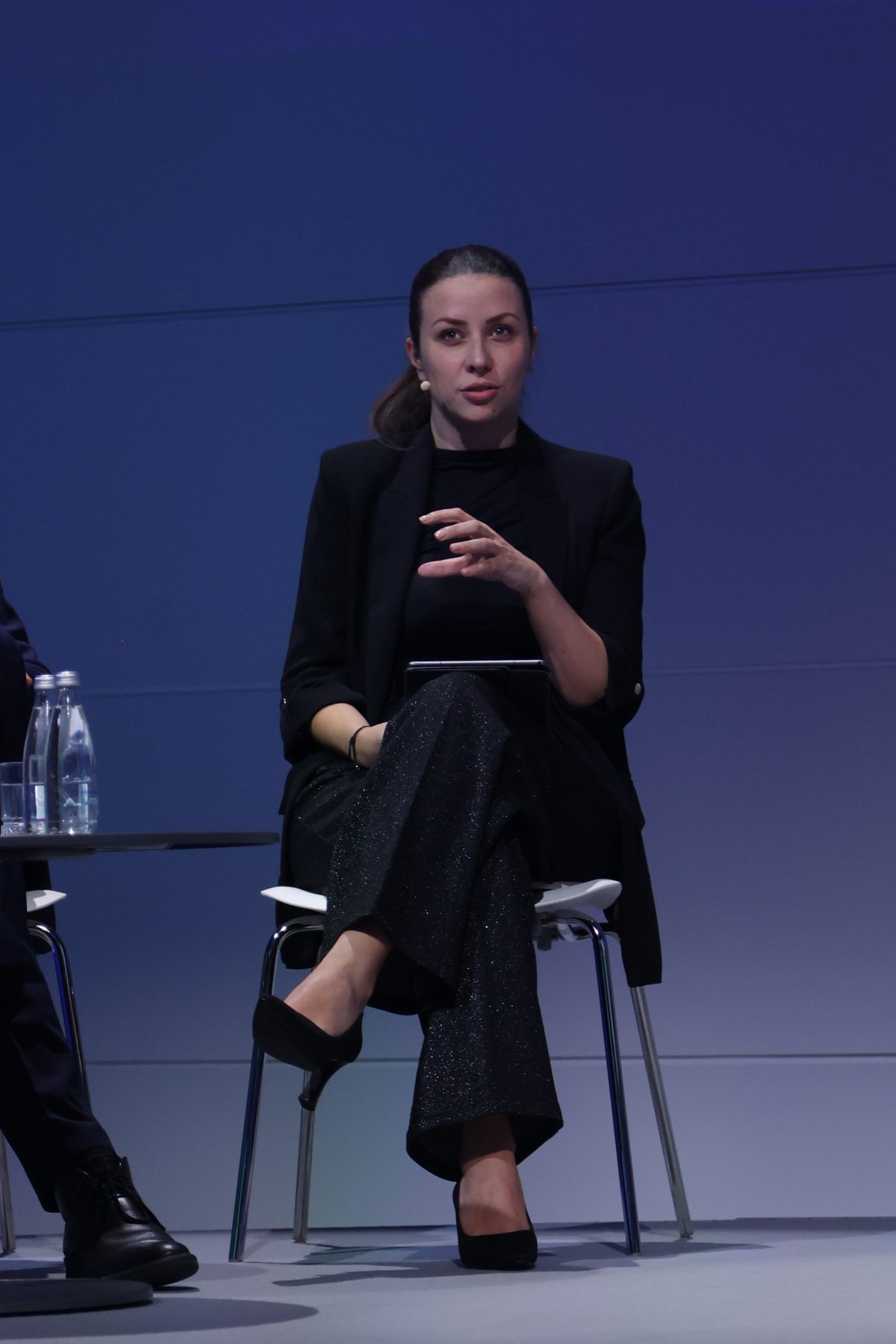
Irena Joveva, Member of the European Parliament, emphasized that Parliament remains firmly committed to enlargement and sees it as the only credible strategic path forward. Responding to moderator Nikola Burazer’s question about whether other EU institutions share this enthusiasm, she noted that the European Commission seems increasingly motivated – less by developments within the Western Balkans and more by broader geopolitical pressures, especially Russia’s war against Ukraine. The Council, traditionally more cautious, is also demonstrating greater willingness to move ahead. This creates a rare momentum, she said, that must not be squandered. Joveva warned, however, that the EU cannot afford to admit “another Orbán.” Asked whether Parliament can continue insisting on adherence to European values throughout the enlargement process, she criticised other institutions for selectively invoking those principles – particularly in their dealings with Serbia. Acknowledging that the EU has lost credibility in the Western Balkans because “we didn’t do our homework,” she said that change is nonetheless under way and that it is no longer possible to ignore developments in Serbia. She stressed that her advocacy reflects fidelity to EU values, which is why she openly supports the demands of Serbian students.
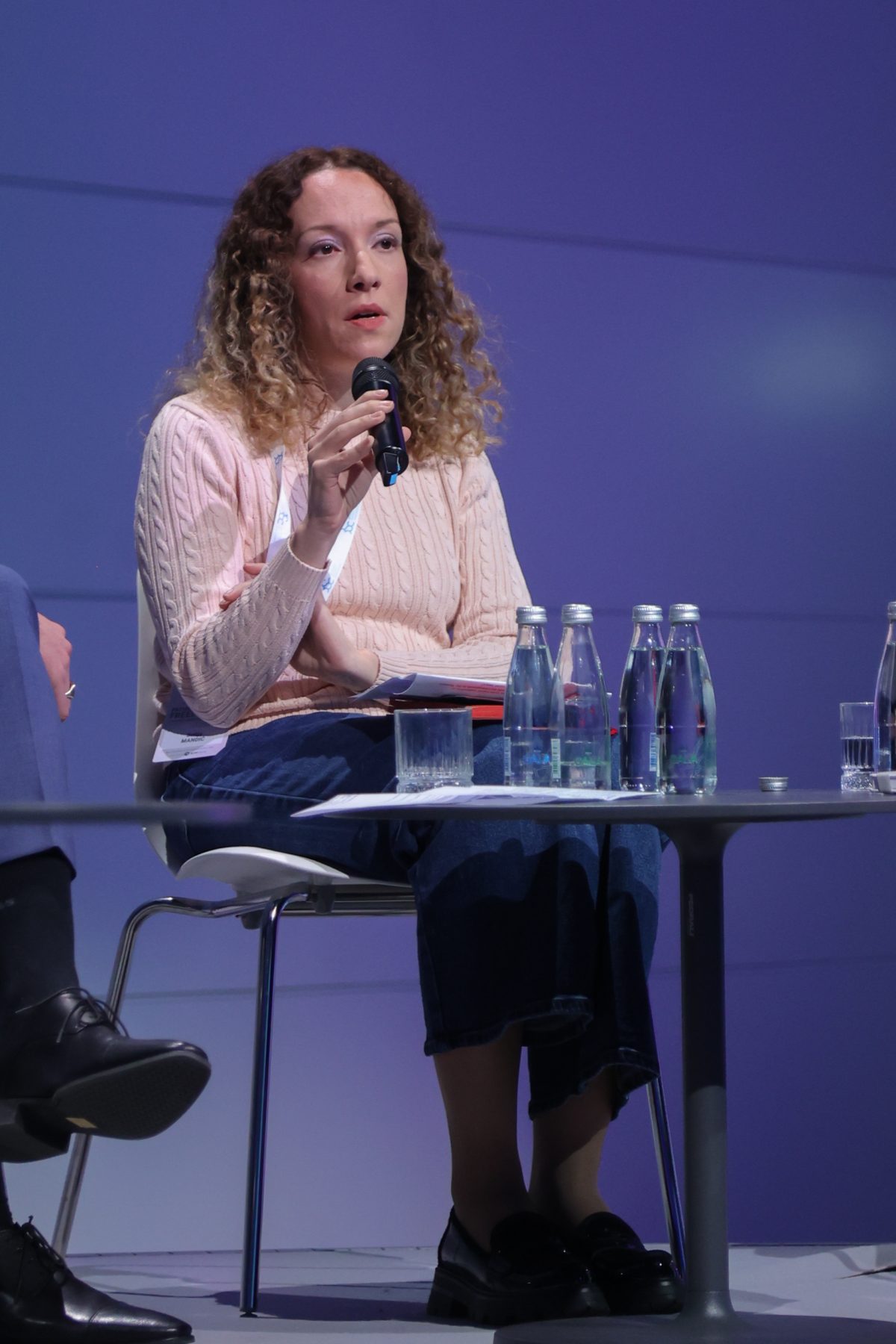
Sofija Mandić, Member of the Center for Judicial Research, observed that many Serbian citizens never hear the message that they are part of the European family, largely due to severe limitations on media freedom. Those closer to the political process, however, are aware of the EU’s shifting approach to enlargement. With public support for EU membership now at approximately 33 percent, she argued that ordinary people are simply not exposed to the positive narrative frequently articulated elsewhere. In 2001, more than 67 percent supported EU accession – making the long-term decline a serious concern. Still, she noted that Montenegro’s or Albania’s entry into the EU would send a powerful signal across the region that accession remains achievable, especially for those who cannot see this reflected in the domestic media. Turning to the rule of law and reforms in Serbia, Mandić criticised the persistent belief that adopting new legislation alone is sufficient. She cited the Law on Public Procurement, whose deliberate circumvention in practice – despite repeated revisions in line with EU recommendations – she believes contributed to the recent tragedy in Novi Sad. Asked what the EU should do in response to Serbia’s rising authoritarian tendencies, she argued that citizens must feel seen and acknowledged through clear, direct communication. To remain impartial yet still defend democratic principles, she said, the EU must place free and fair elections at the top of its priorities. If Brussels fails to insist on this, she warned, the critical question becomes what the EU will do once the results of an unfair contest are announced.