On the Frontlines of Freedom: Youth Shaping the Western Balkans’ Future
In a period of deep uncertainty, young people across Serbia and the wider Western Balkans have become some of the most visible voices of protest, civic engagement, and public reflection. Generation Z – the first fully digital generation – is redefining the meaning of freedom while navigating a global environment marked by injustice, institutional mistrust, and rapid political transformation. They respond to these pressures with empathy, emotional intelligence, and a pronounced sense of social responsibility.
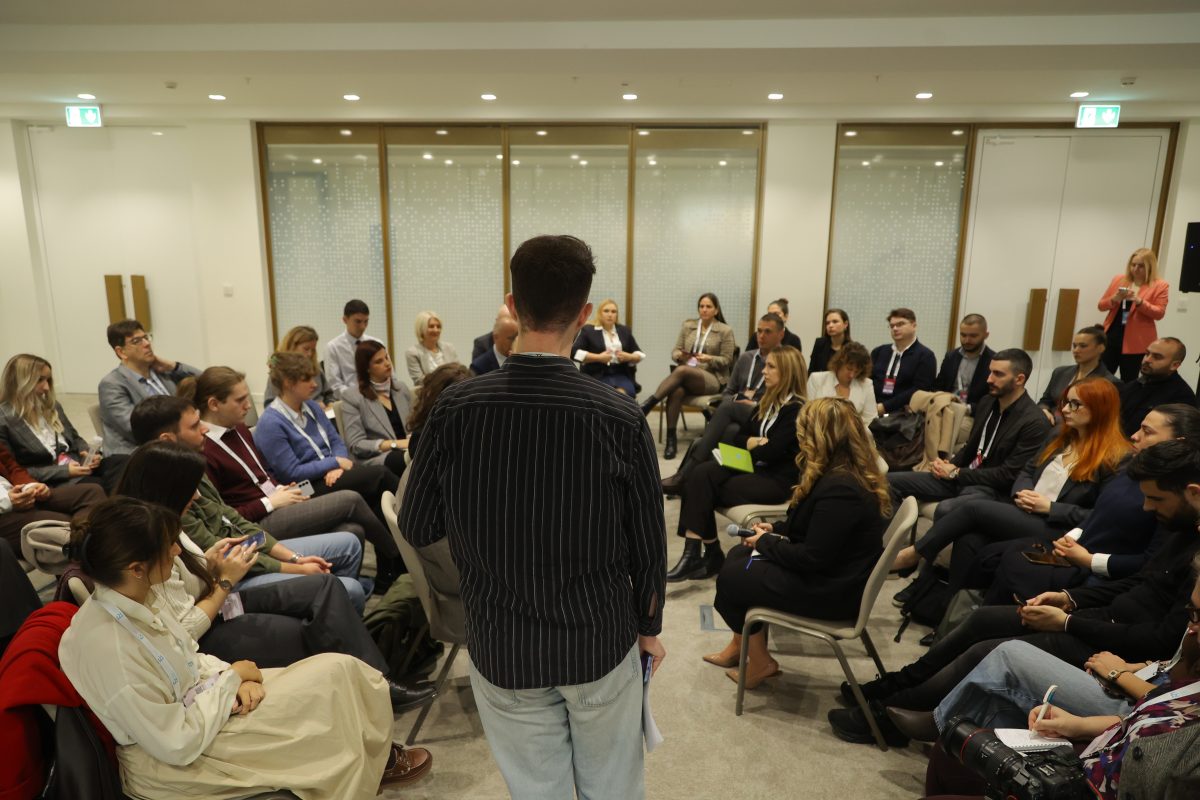
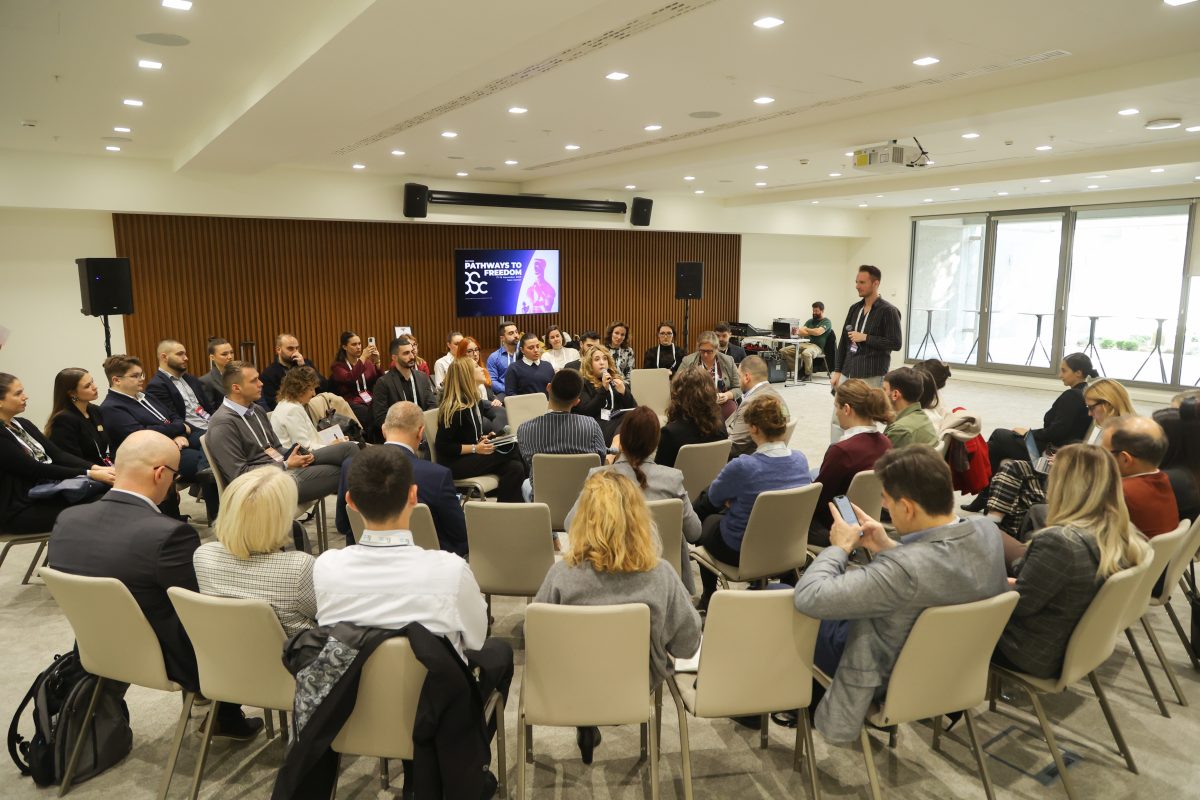
The session was held in a fishbowl format, an interactive setup where five speakers sit in a circle along with one empty chair that any participant may briefly occupy to join the discussion.
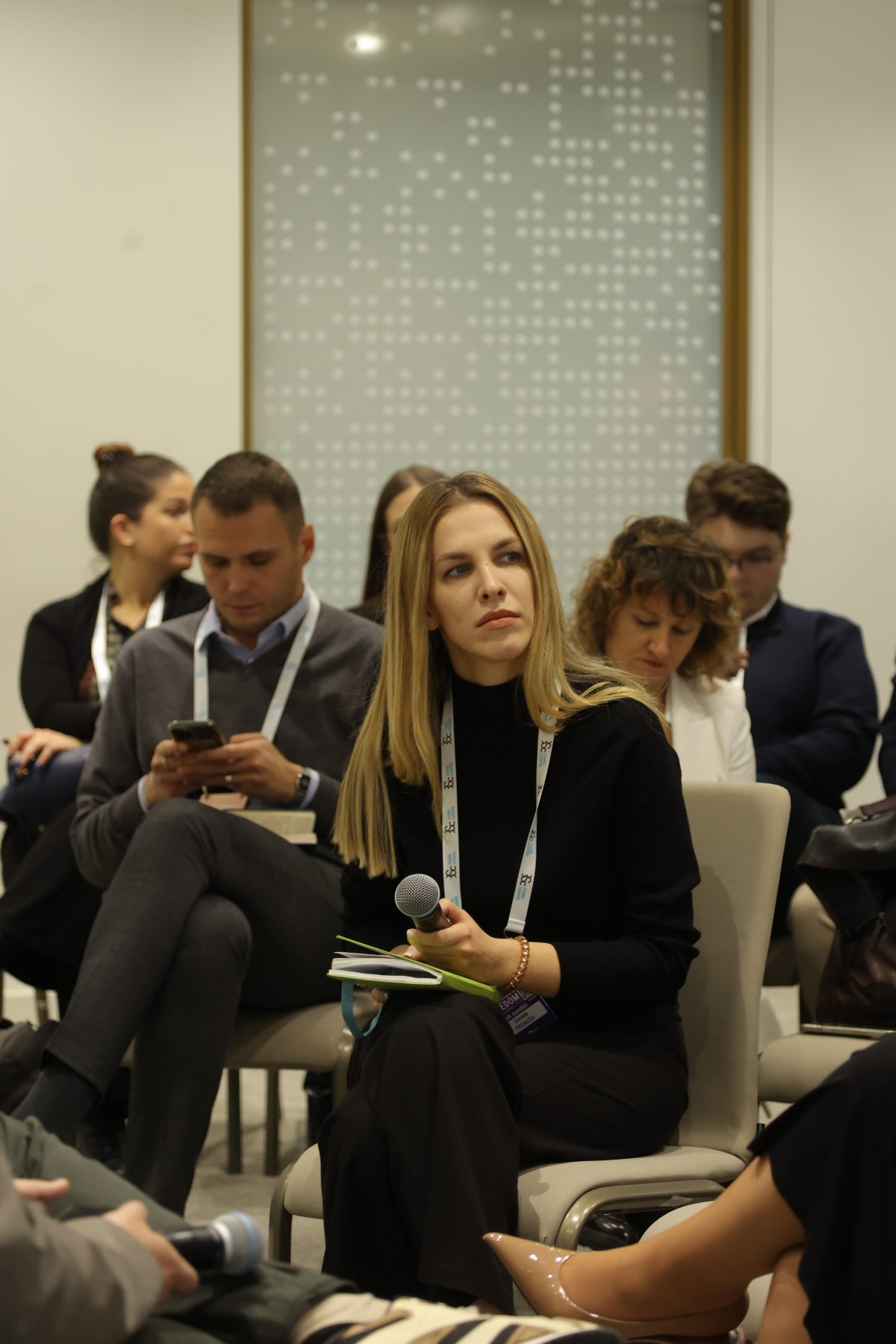
The panel opened with the moderator Gjergj Loka asking each speaker to reflect on what freedom means to them. Kalina Dukovska offered a striking definition, describing freedom as a collective capacity to (not) fight something — emphasizing that no one is free until everyone is. Daniela Premuda added that freedom is not merely the absence of war or constraints, but a continuous struggle for equality of rights and opportunities.
The conversation quickly grew more animated as the speakers discussed what they see as the greatest threats to freedom today. Sabina Sali argued that deeply rooted nationalism and corruption are the most serious dangers, while Arlind Hamza agreed and added that distrust in politics – and between people both nationally and regionally – further undermines freedom. He cited the discouragement felt by many young people who, after witnessing the setbacks of student protests in Serbia, choose not to engage. His comment shifted the discussion toward the question of what constitutes “success” in the student movement. Participants agreed that there are tangible effects such as shifts in public opinion and the broader societal impact of youth mobilisation.
The conversation then turned to youth engagement: how and why young people should participate in public life. Nikola Mirković stressed that activism is indispensable because meaningful change cannot occur without action. He underlined the importance of doing rather than merely discussing, encouraging young people to “get your hands dirty.” This prompted several questions from the audience about whether it should really fall to this generation to tackle deeply rooted social and political problems. Opinions differed, with some arguing that responsibility naturally shifts to those who recognise that no one else will address these challenges. Sabina noted that the region has long relied on others to solve its problems – a mindset that must change.
In their closing remarks, all panelists agreed that the Western Balkans urgently need change. Some offered concrete proposals – including reforming the education system to address many underlying problems, engaging the diaspora more effectively, and countering the rise of the far right and nationalism. They concluded by reminding the audience that change does not happen overnight – and that progress requires not only proactive effort but also the readiness to respond swiftly when challenges arise.