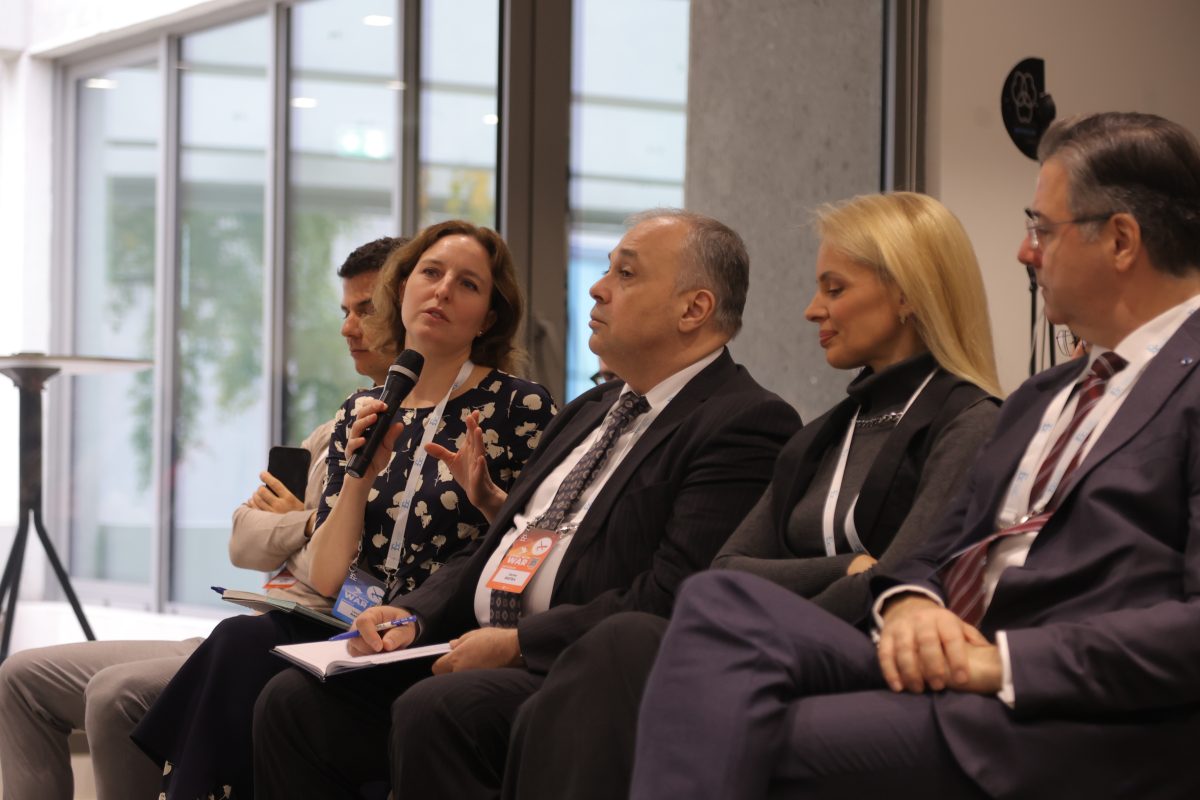
The panel named ”2031: an EU’s Enlargement Odyssey” focused on the future of EU enlargement, looking towards the year 2031 and the future of the Odyssey-like candidate process that many Western Balkan countries and other candidate countries have.
In a discussion moderated by Vessela Tcherneva, Deputy Director of the European Council on Foreign Relations, panelists examined the modernisation of green technology, its implications for Central and Eastern Europe, and the role China plays in the global clean-tech landscape.
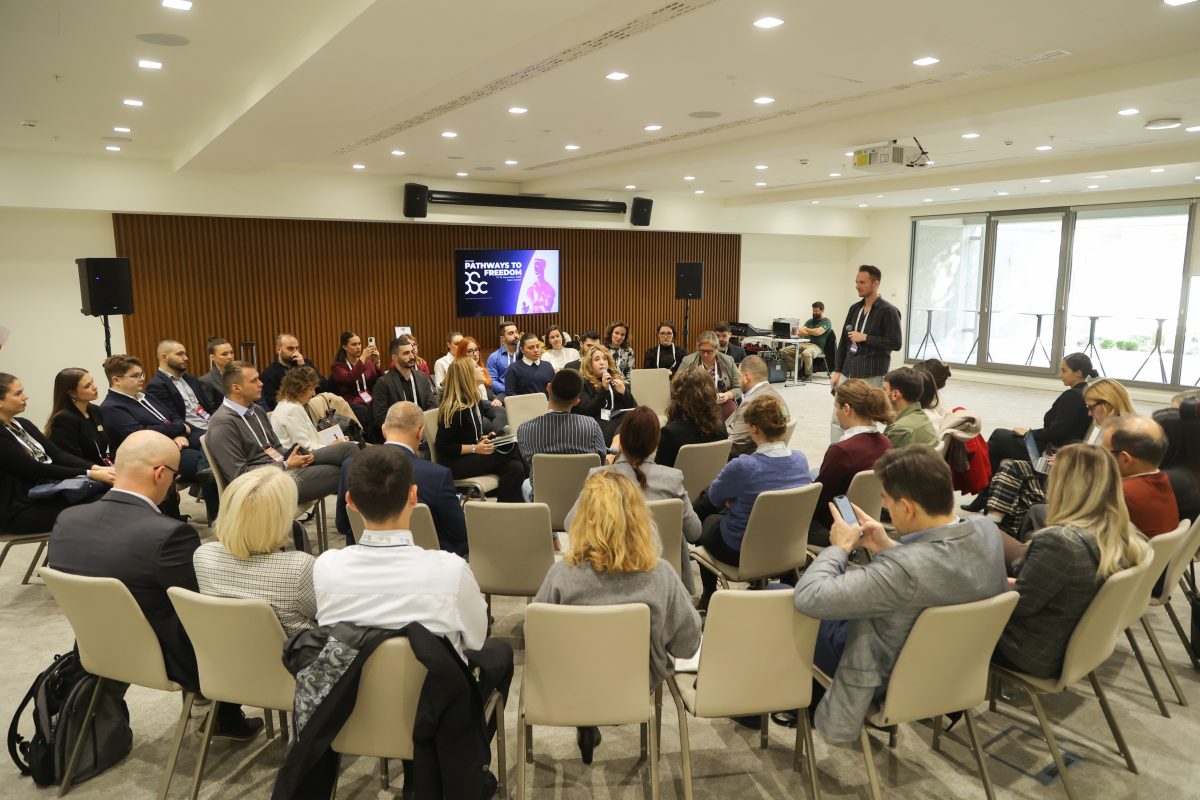
In a period of deep uncertainty, young people across Serbia and the wider Western Balkans have become some of the most visible voices of protest, civic engagement, and public reflection. Generation Z – the first fully digital generation – is redefining the meaning of freedom while navigating a global environment marked by injustice, institutional mistrust, and rapid political transformation. They respond to these pressures with empathy, emotional intelligence, and a pronounced sense of social responsibility.
The first parallel BSC session tackled the topic of “Russia: A Global Outcast or Still a Desirable Partner?” which was moderated by Wouter Zweers, Research Fellow, Clingendael’s EU and Global Affairs Unit. The panel focused on the Russian position in the world and its political system before February 2022 and how that position changed now with the aggression in Ukraine.
