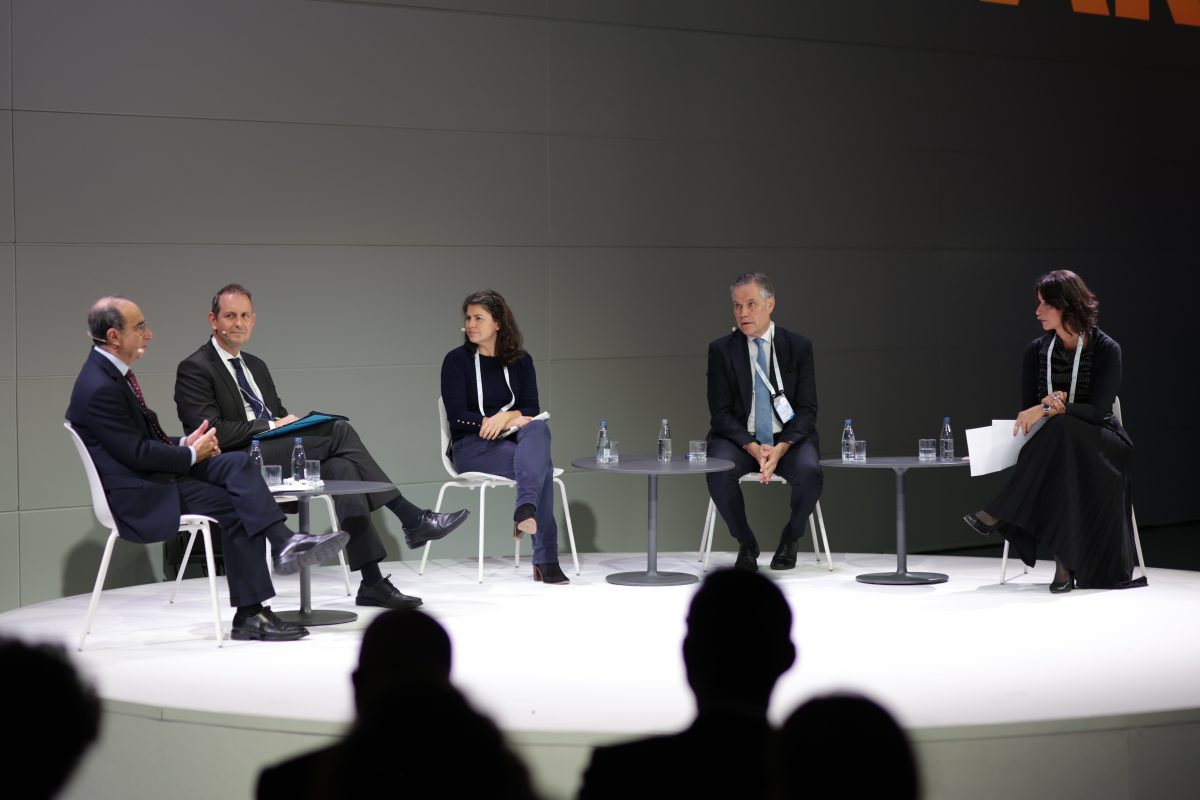
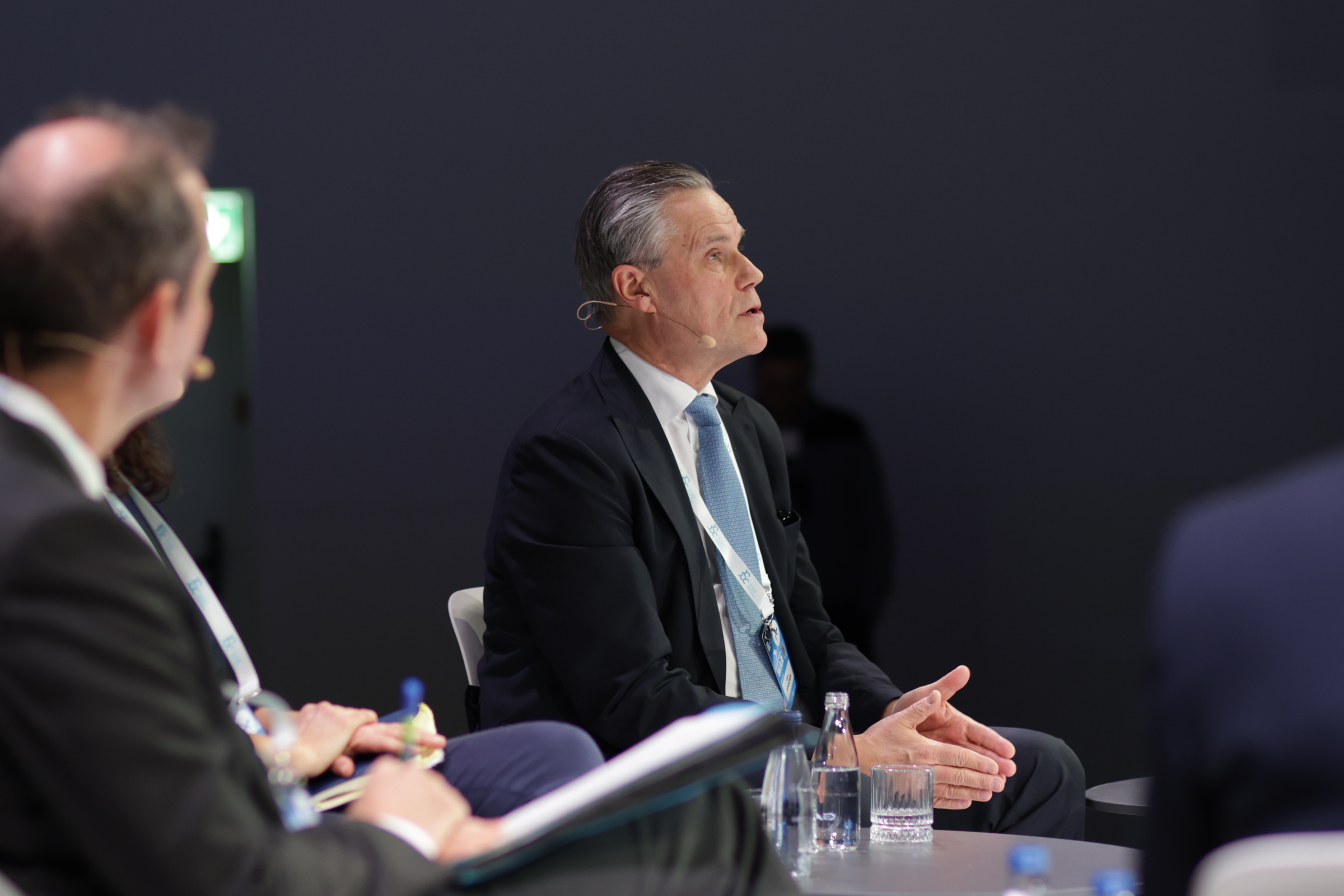
Offering a transatlantic and regional perspective, Ian Lesser, Distinguished Fellow and Advisor to the President at the German Marshall Fund of the United States (GMF), noted that while Washington welcomes greater European defence capabilities, a credible nuclear umbrella and transatlantic trust remain essential to ensuring that allies act “more autonomously, but still together.” Addressing the Western Balkans and Serbia’s policy of military neutrality, Mr Lesser emphasised that the region lies at the intersection of hybrid threats and potential “horizontal escalation” between crises in Eastern Europe and the Middle East. Turning to the broader prospects for a settlement of the war in Ukraine, he added that while Ukraine requires security guarantees, full NATO membership remains politically complex, requiring allies to balance deterrence with strategic stability in an era of lapsed arms control agreements.
Christoph Israng, Director-General for Europe at the German Federal Foreign Office, emphasised that the United States will continue to play a decisive role in European security, provided that European allies deliver on concrete commitments. He noted that strengthening the Alliance requires “armament, equipment, training, and personnel ready to take responsibility.” Expressing support for Serbia’s sovereign choice to maintain military neutrality, while also underscoring the importance of European solidarity, he voiced hope that Ukraine would eventually join both NATO and the EU. He also warned against domestic complacency in Europe, noting that some political forces “ignore the threats that we are facing and are pretending that they do not exist.
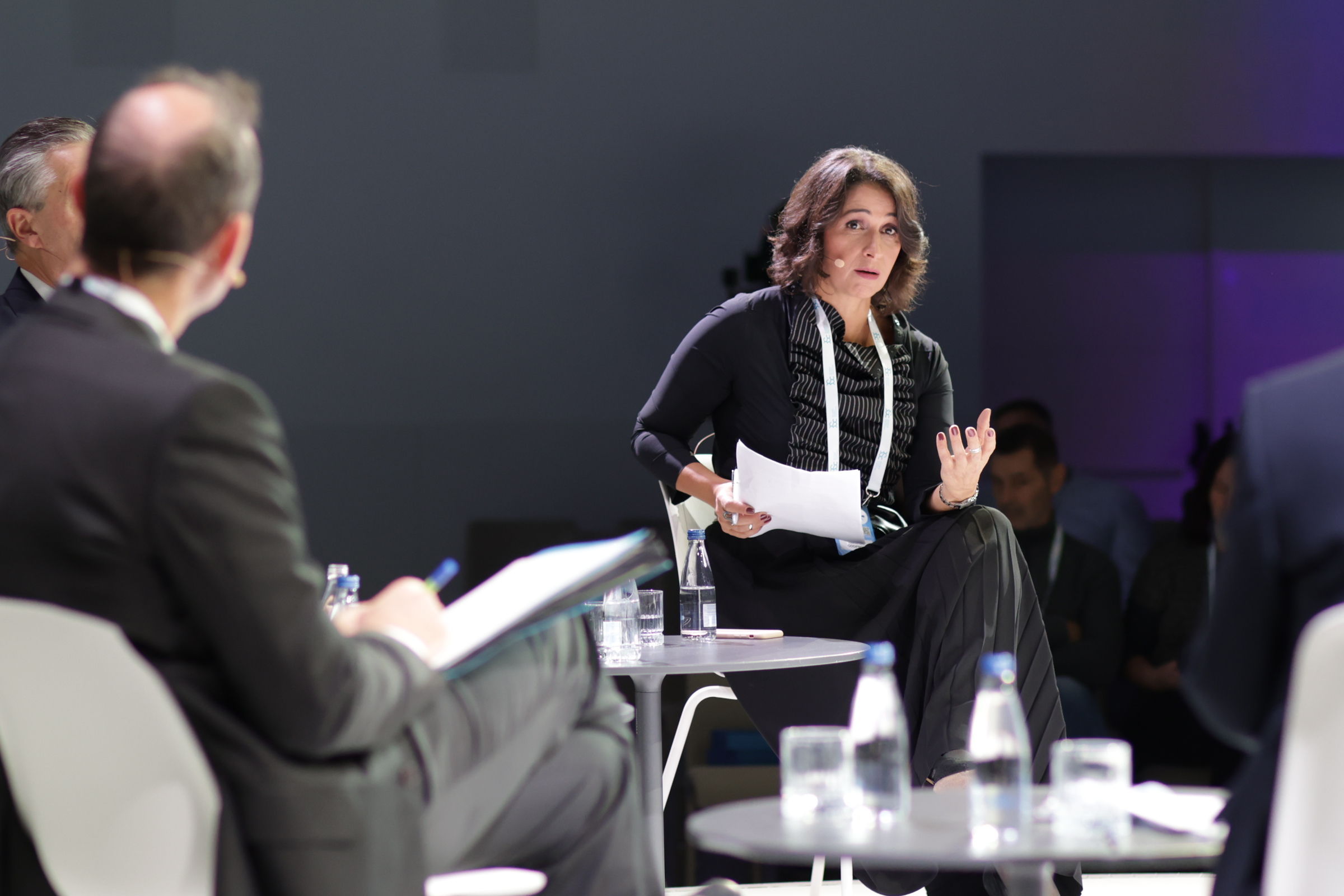
Responding to questions from moderator Aleksandra Godfroid, Reporter and Producer at N1, on European burden-sharing, nuclear deterrence, and Ukraine’s accession prospects, Philippine Bentégeat, Director of the Europe, North America and Multilateral Action Division within the French Directorate-General for International Relations and Strategy (DGRIS), stated that European defence requires “taking more responsibilities, which means accepting more risk.” Highlighting the importance of collective European leadership, voluntary national service for young people, and bilateral talks on forward deterrence, she underlined that European and NATO security are existential concerns and closely linked to Ukraine’s trajectory towards the Alliance. She also rejected Russian narratives regarding responsibility for the war.