

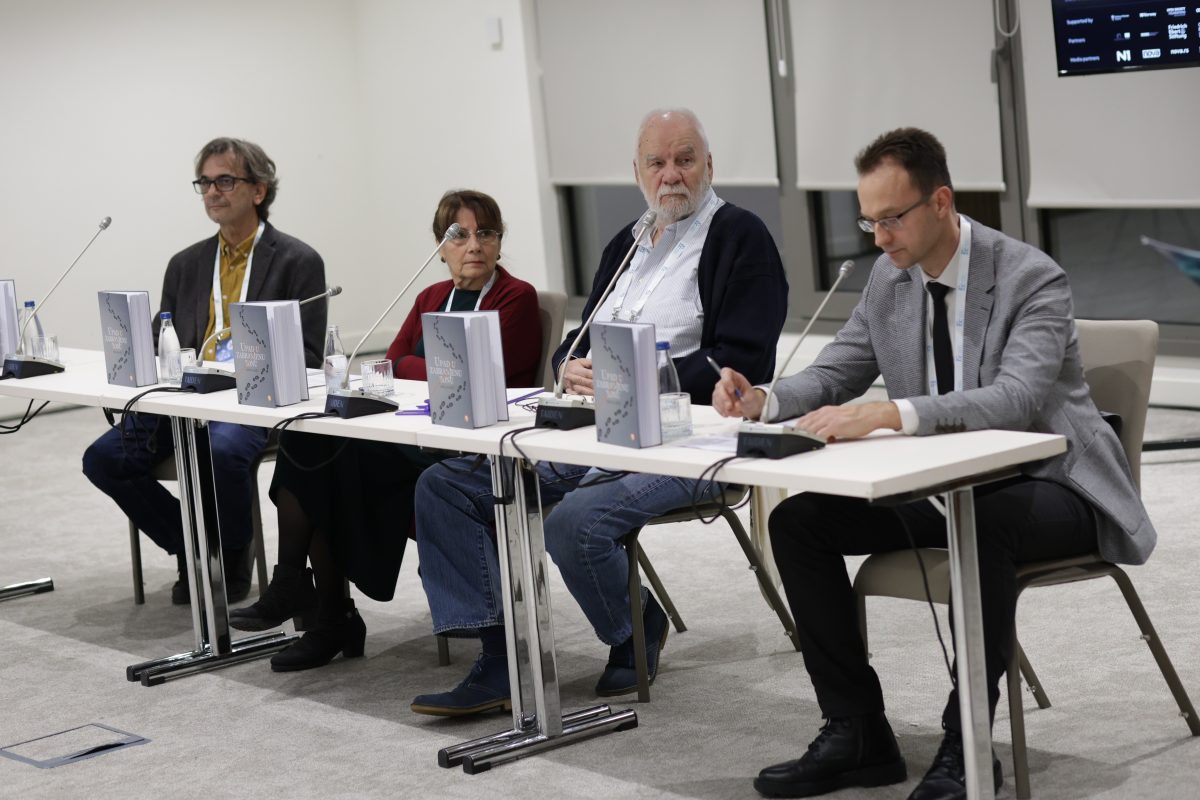
The challenges of reforming Serbia’s security institutions, the consequences of missed opportunities following the democratic changes of 2000, and the role of civil society in shaping future reforms were the central topics of a discussion held at the Belgrade Security Conference. The discussion was prompted by newly published Miroslav Hadžić’s book Entering the Forbidden Zone, which traces the Belgrade Centre for Security Policy’s evolution and achievements since its founding in 1997. The discussion brought together experts who reflected on the country’s democratic transition and the reforms needed to prevent a return to past practices.
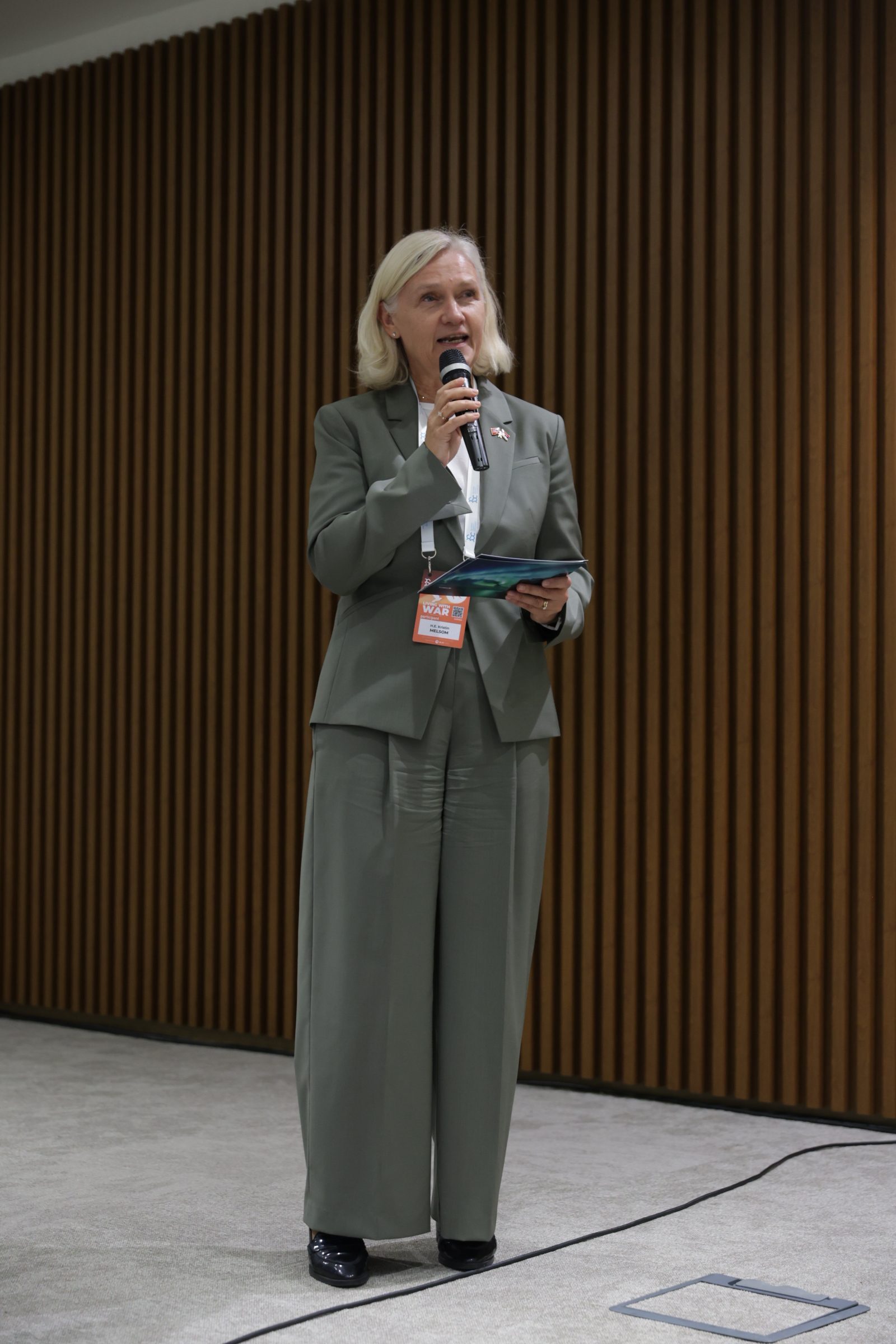
Opening the event, Norwegian Ambassador to Serbia Kristin Melsom highlighted Norway’s longstanding partnership with the Belgrade Centre for Security Policy (BCSP) and its contribution to strengthening independent research and civil society. She stressed that democratic oversight, institutional accountability and respect for human rights are essential to building public trust. Melsom reaffirmed Norway’s commitment to supporting democratic reforms in Serbia, expressing hope for a more constructive environment for independent institutions. Moderator Predrag Petrović, BCSP Research Director, also thanked the Kingdom of Norway for its continued support of democratic reforms and civil society in Serbia.

Miroslav Hadžić, founder of the BCSP, argued that the political changes of 2000 had failed to bring fundamental reforms to Serbia’s security institutions. “A mere reorganisation of security services was passed off as reform.” He explained that disagreements among political leaders and the absence of a comprehensive reform strategy allowed existing security structures to maintain their influence. “You cannot reform the security apparatus without the support of those working within it,” Hadžić stressed, pointing to the importance of institutional accountability and cooperation with security personnel. He also called for stronger parliamentary oversight, greater involvement of civilian experts and a thorough review of security sector spending.
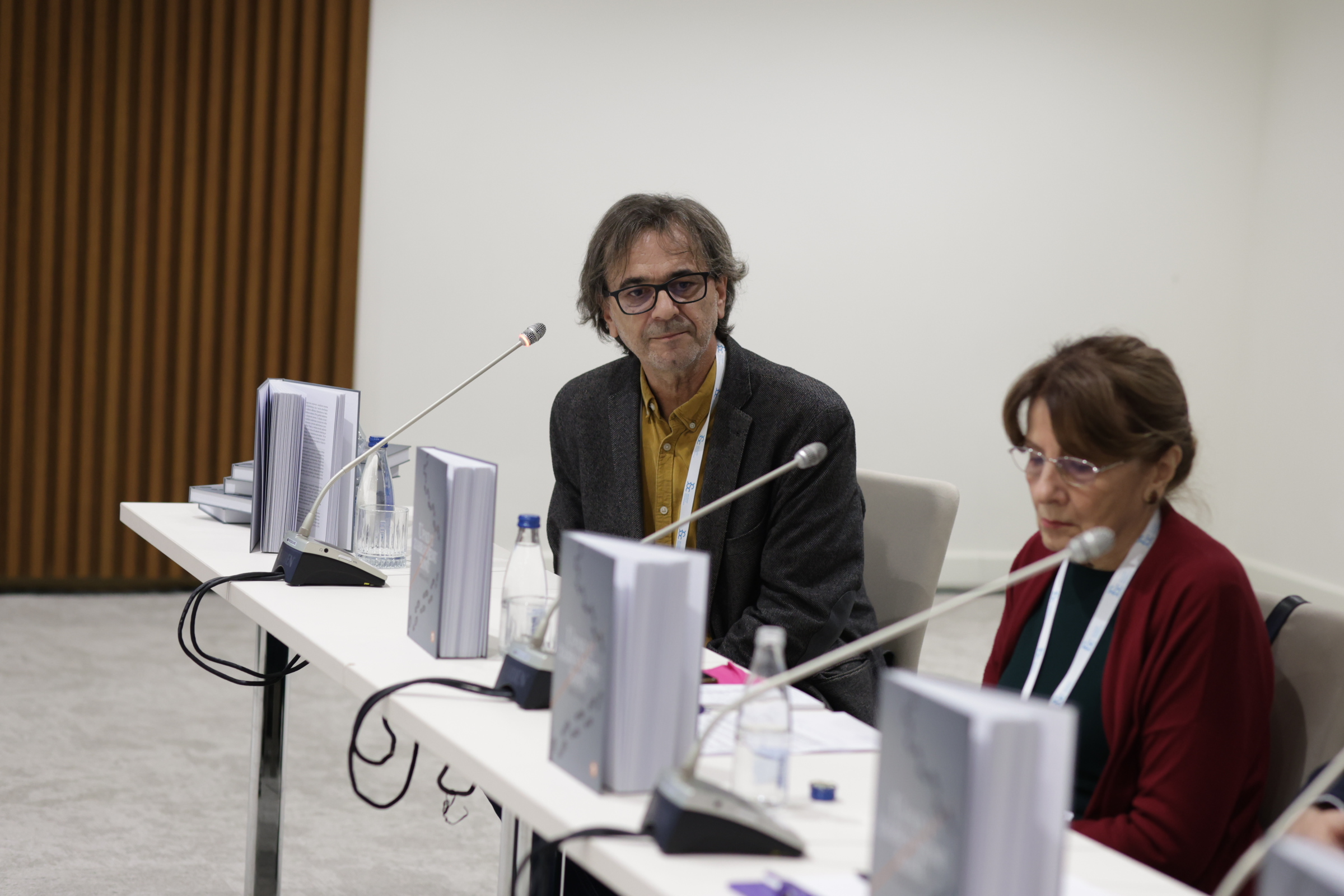
Đorđe Pavićević, professor at the Faculty of Political Sciences at the University of Belgrade, addressed the failure to open security service files and introduce lustration after 2000. He argued that greater transparency and access to previously classified documents could help reduce corruption and prevent the political misuse of security institutions. Although acknowledging the symbolic importance of lustration, Pavićević questioned its effectiveness as a long-term solution, emphasising judicial reform and the removal of unnecessary secrecy as more important priorities.
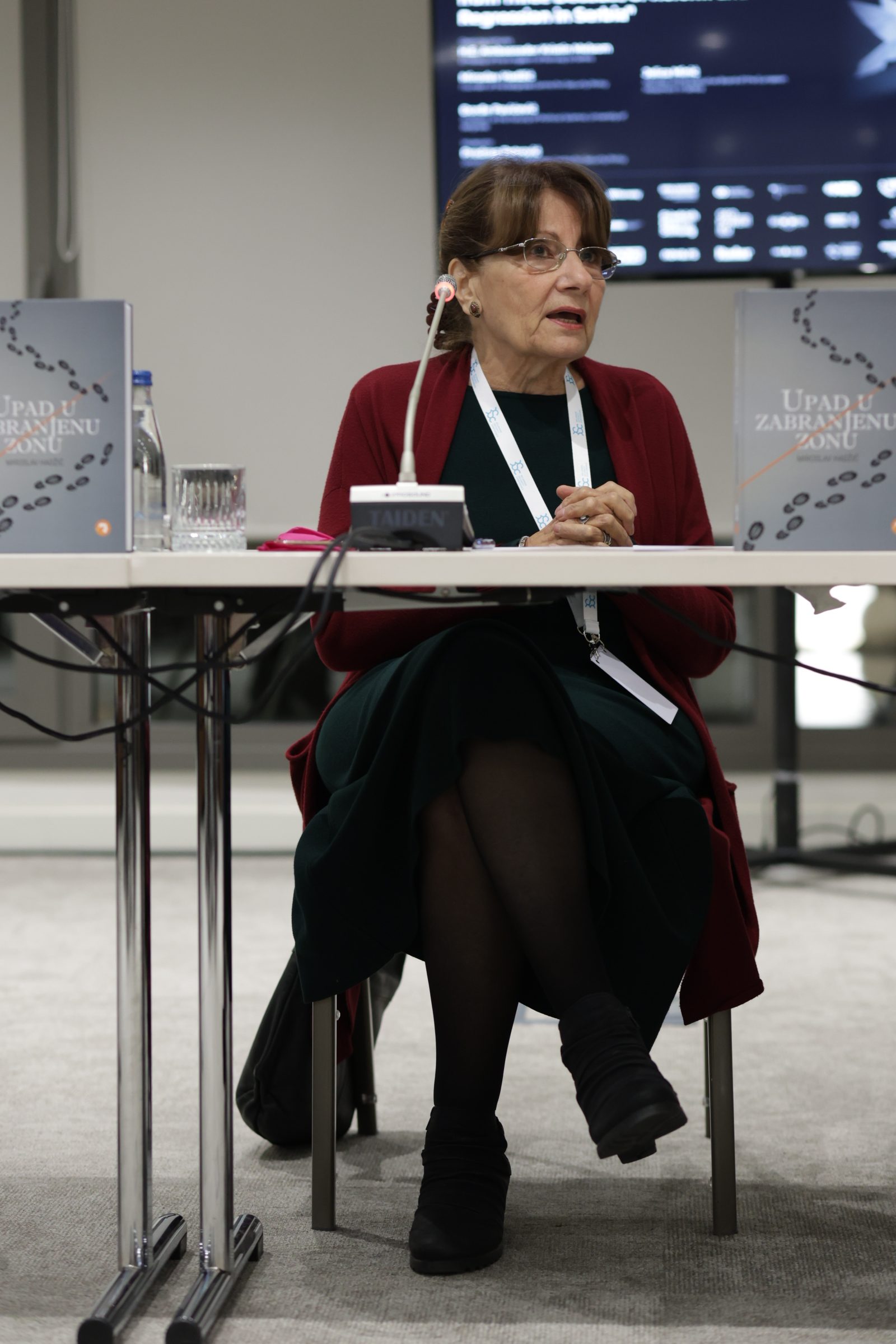
Jelica Minić, member of the Executive Board of the European Movement in Serbia, discussed the role of European integration in Serbia’s democratic transformation. Reflecting on the early 2000s, she noted that European integration had generated considerable public enthusiasm, particularly when citizens experienced tangible benefits such as visa liberalisation. Reflecting on the EU’s approach towards the new government in Serbia, she noted encouraging messages from high EU officials and stressed that cooperation with the European Union should focus primarily on the rule of law, strengthening democratic institutions and fighting corruption. “If geopolitical issues suddenly became the priority, it would be a huge mistake,” Minić warned. She also highlighted the importance of effective communication between Serbian institutions, citizens and European partners.
During the discussion moderated by Petrović, the speakers also examined the lessons civil society organisations could draw from nearly three decades of democratic reforms. Responding to questions from the audience, Hadžić emphasised the importance of independent expertise, credible research and cooperation between civil society and state institutions. Minić pointed to volunteering and support from the business community as additional ways to strengthen civil society organisations. The discussion highlighted parliamentary oversight, institutional transparency and effective communication as essential elements of future reforms in Serbia.