

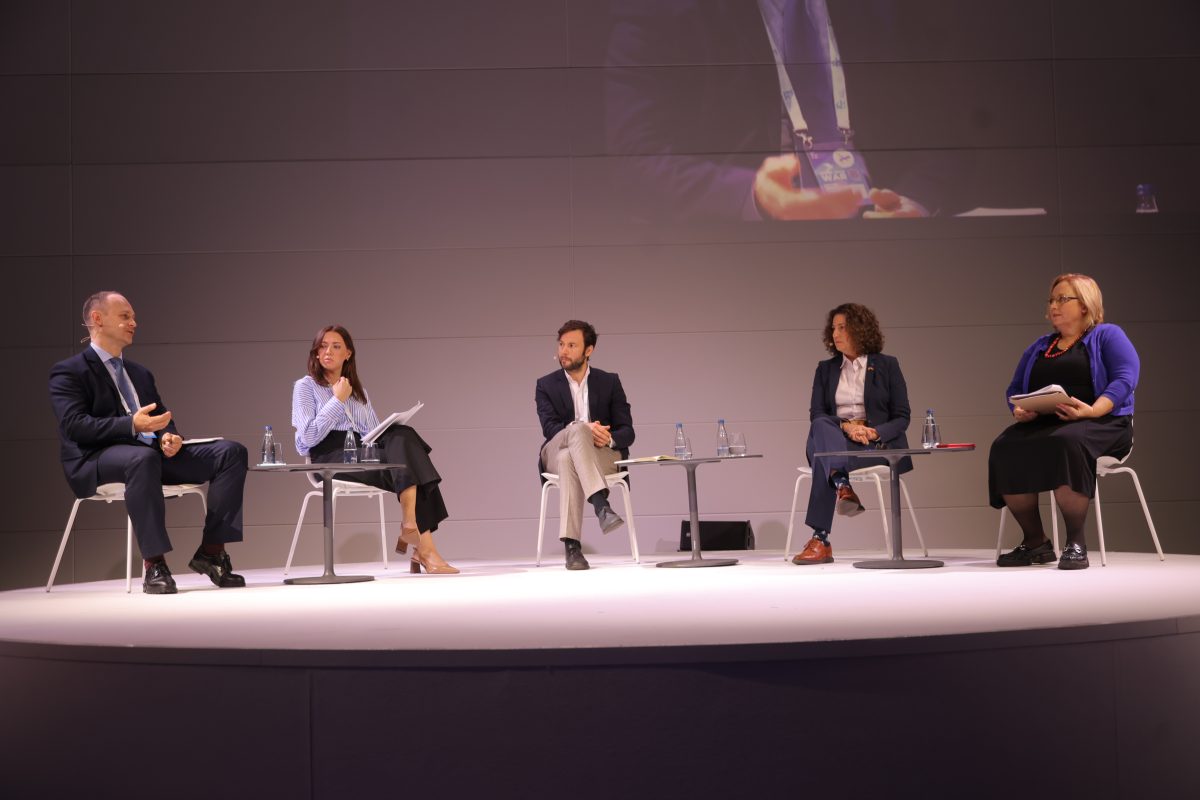
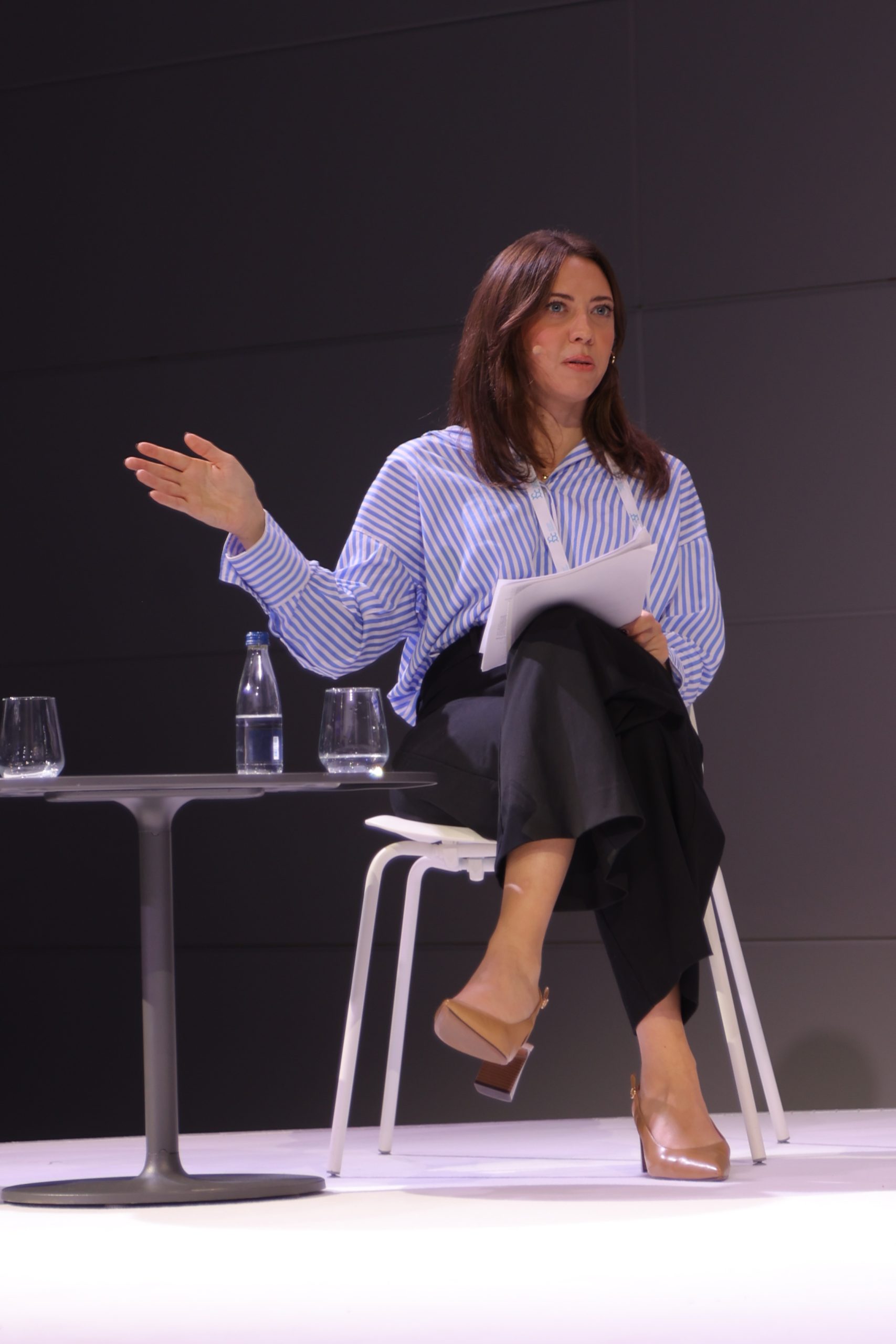
The conflicts in Ukraine and the Middle East were the focus of a panel discussion at the Belgrade Security Conference, moderated by Sonja Stojanović Gajić. The discussion examined the relationship between military deterrence, human security, democratic institutions, and the prospects for sustainable peace. Panelists addressed the importance of military support in resisting aggression, alongside institutional accountability, democratic resilience, and efforts to combat corruption.
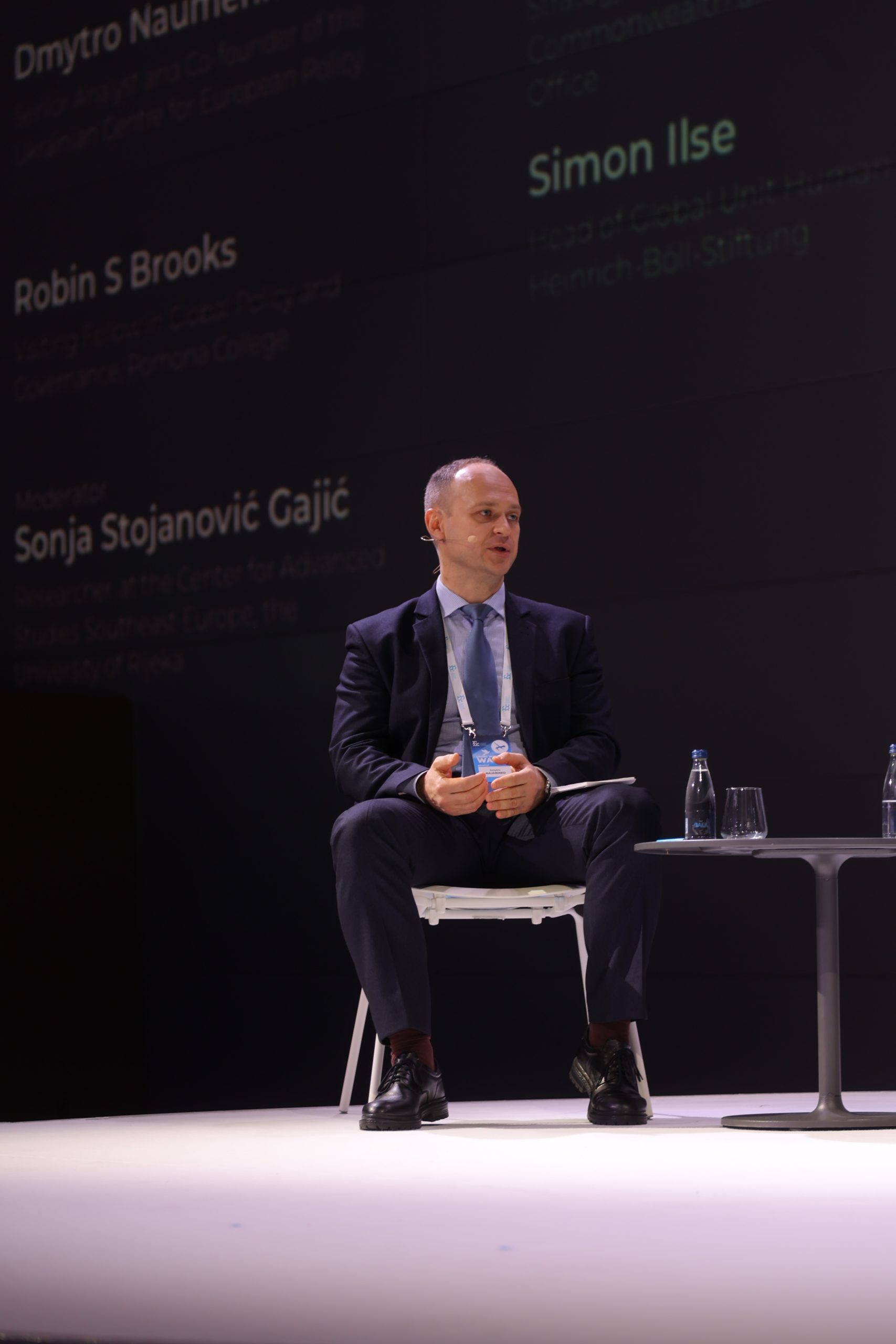
Dmytro Naumenko, Senior Analyst and Co-founder of the Ukrainian Centre for European Policy, discussed the impact of Russian attacks on Ukraine’s energy infrastructure. He recalled the 1999 agreement under which Ukraine transferred 11 strategic bombers and cruise missiles to Russia in exchange for a reduction in its natural gas debt. An investigation published in 2023 identified at least a dozen missiles from that transfer among those subsequently used by Russia against Ukrainian cities. Naumenko also addressed the vulnerability of Ukraine’s electricity infrastructure and the risks posed to nuclear power plants when attacks disrupt the national power grid. He argued that a ceasefire without security guarantees would allow Russia to regroup. He also highlighted the role of Ukrainian civil society and independent anti-corruption institutions, including the National Anti-Corruption Bureau of Ukraine (NABU) and the Specialized Anti-Corruption Prosecutor’s Office (SAPO), in maintaining institutional accountability during wartime.
Nina Delany, Deputy Head of Ukraine Campaign Strategy at the UK Foreign, Commonwealth and Development Office, drew on her two-year diplomatic posting in Kyiv to discuss the impact of the war on civilian life. She addressed the consequences of Russian air attacks, electricity outages, and disruptions to essential services, particularly during winter. Referring to territorial developments in 2024 and 2025, she noted that Russian forces had captured less than 1.5 percent of Ukraine’s territory during the two-year period. She also discussed Ukraine’s military adaptation and civilian resilience, as well as cooperation between the United Kingdom and the European Union on defence assistance and institutional support.
Simon Ilse, Head of Global Unit Human Security at the Heinrich-Böll-Stiftung, discussed the concept of “negative peace”, referring to situations in which direct violence has ended but underlying injustices remain unresolved. He used Belgrade as an example and contrasted this experience with the ongoing conflict and destruction in Gaza. Ilse also addressed the relationship between defence spending and domestic social and economic priorities, arguing that governments should not neglect public concerns about living costs and social security when increasing military expenditure. Referring to international accountability mechanisms, he cited the work of the International Criminal Tribunal for the former Yugoslavia (ICTY), arrest warrants issued by the International Criminal Court (ICC), and proceedings before the International Court of Justice (ICJ). He stressed the importance of including local stakeholders in peace negotiations.
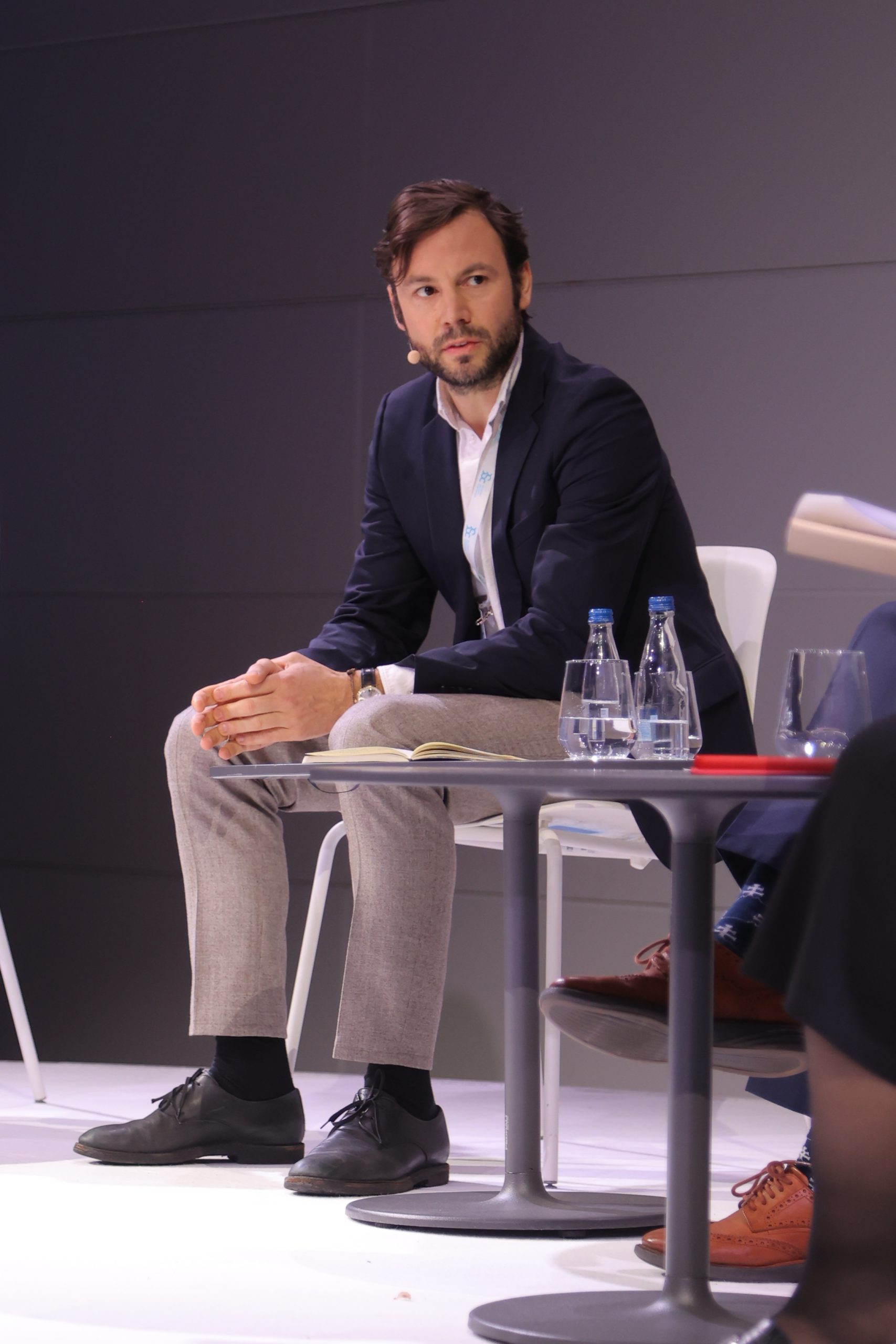
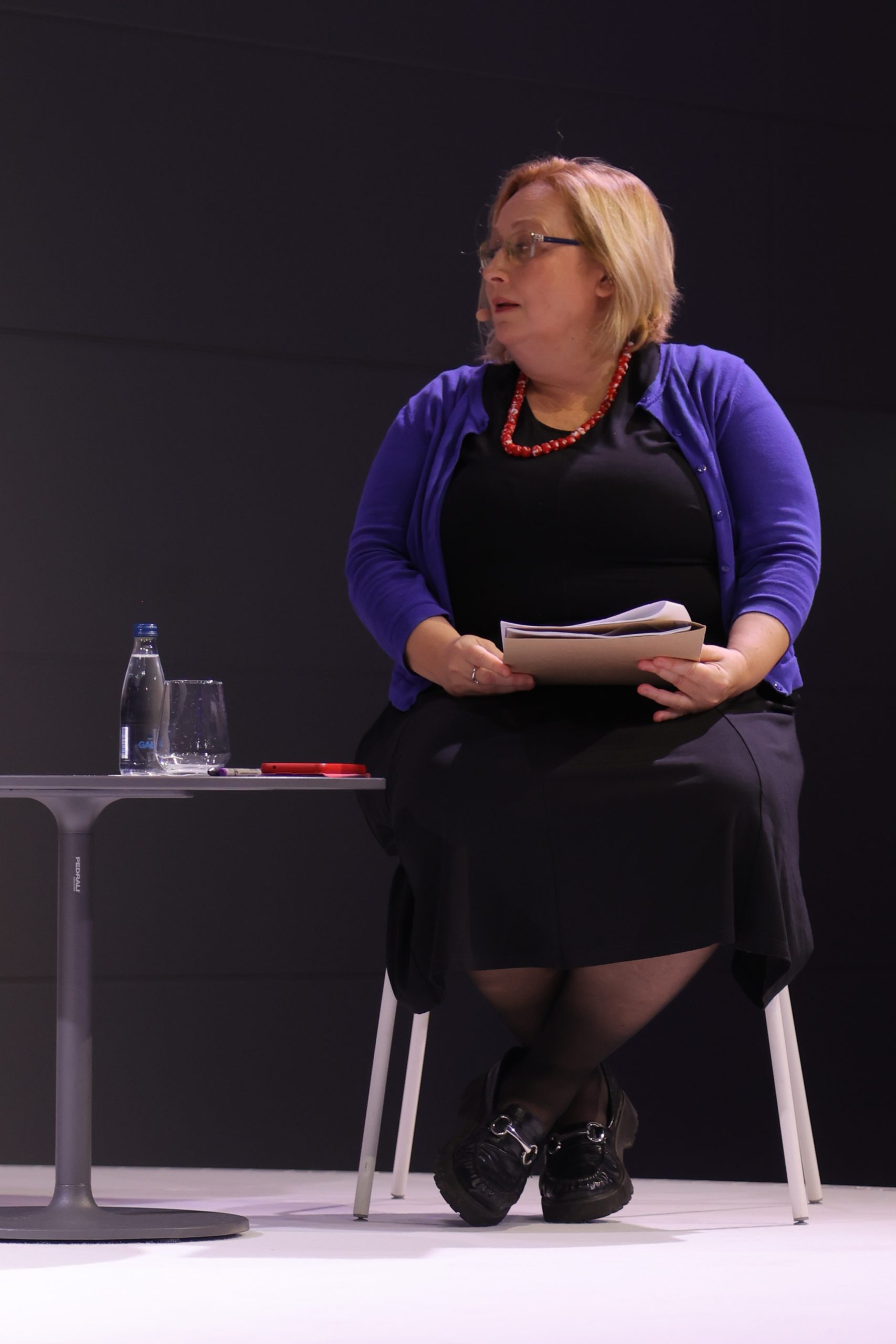
Robin S. Brooks, Visiting Fellow in Global Policy and Governance at Pomona College, examined the role of domestic institutional weaknesses, stalled reforms, and corruption in creating opportunities for external interference. She argued that Western policy should focus on building accountable institutions and addressing the networks that facilitate kleptocracy. Brooks highlighted beneficial ownership transparency in the media and real estate sectors as areas requiring attention. She also referred to USAID’s technical assistance to Ukraine’s electricity transmission system operator, Ukrenergo, which contributed to preparations for the synchronisation of Ukraine’s electricity grid with the Continental European Grid in March 2022.
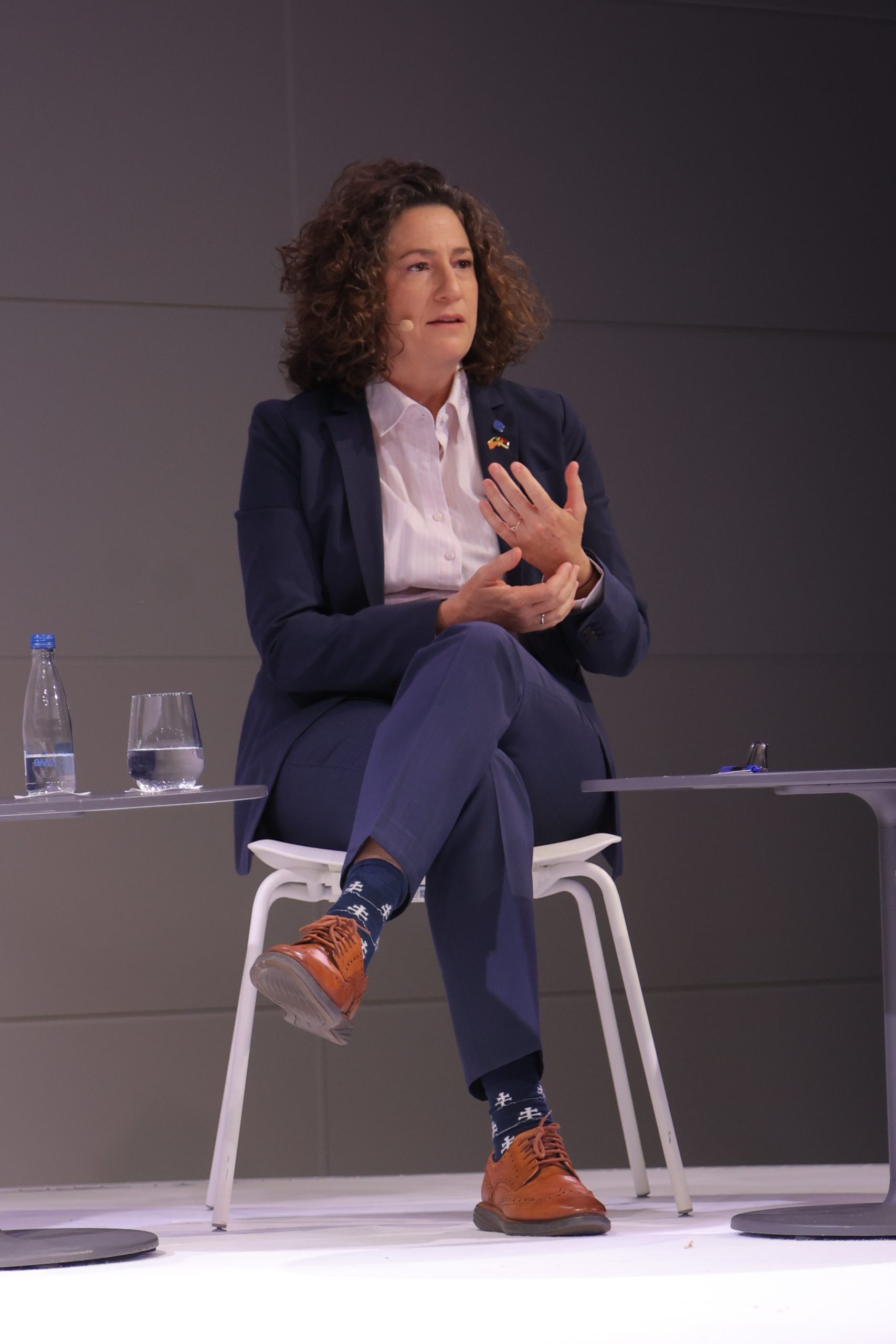
The discussion concluded with contributions from the audience. Peter Nikitin, founder of the Russian Democratic Society, expressed support for Ukrainians facing attacks on their energy infrastructure during winter. Responding to questions about the resilience of Ukraine’s electricity grid, Naumenko discussed the role of existing grid infrastructure, decentralised renewable energy generation, protective measures, and electricity imports from European countries in maintaining supply. Panelists also addressed changes in US foreign policy and the implications for Ukraine and European security, emphasising the importance of ensuring that Ukraine and European countries are represented in decisions concerning their security and future.