

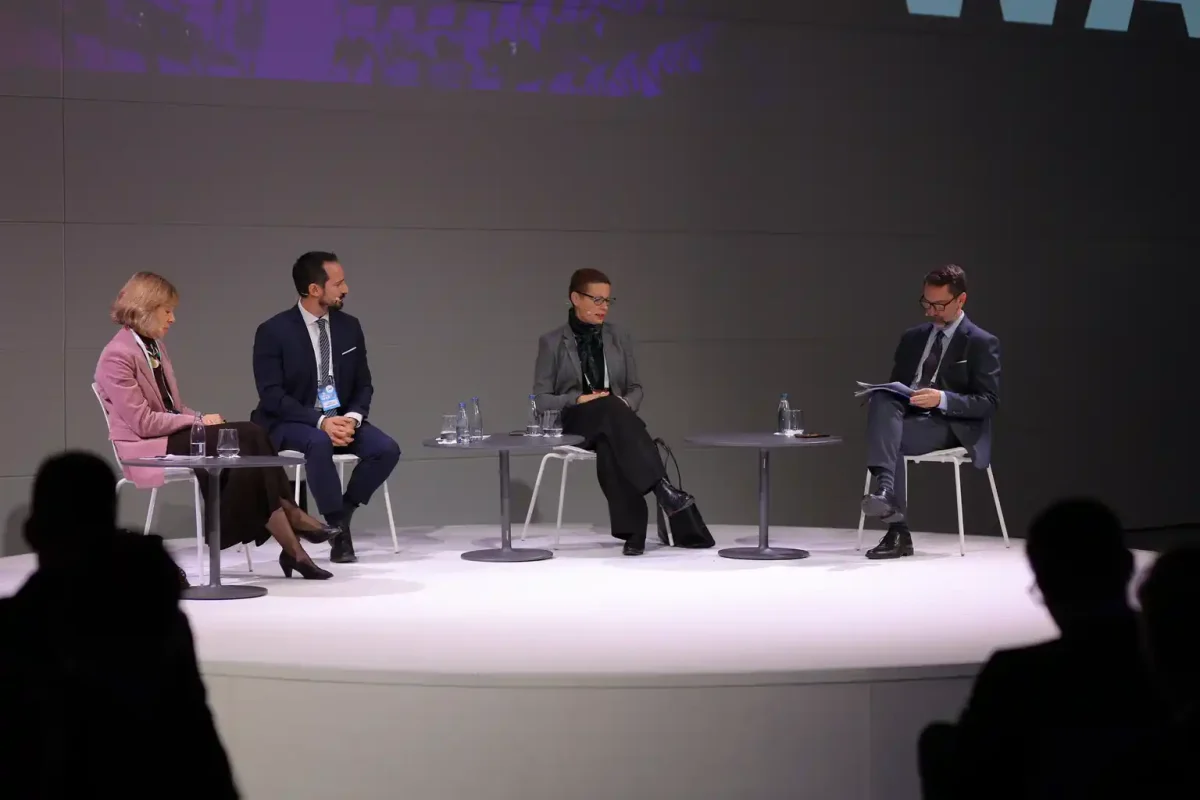
Following Serbia’s parliamentary elections on 25 October 2026, the Belgrade Security Conference brought together experts for a panel discussion titled “Democracy Prevails: Serbia Opens a New Chapter”. The discussion focused on democratic institutions, judicial independence, public administration, and Serbia’s European Union accession process.

Milica Delević, Secretary General of the European Bank for Reconstruction and Development (EBRD) and Member of the Executive Board of the Belgrade Centre for Security Policy (BCSP), addressed citizens’ role in holding governments accountable. She discussed the student movement and civic mobilisation, emphasising the importance of continued public engagement beyond the elections. Regarding Serbia’s EU accession process, she highlighted the importance of progress on Chapters 23 and 24, which cover the judiciary and fundamental rights, and justice, freedom and security, respectively.
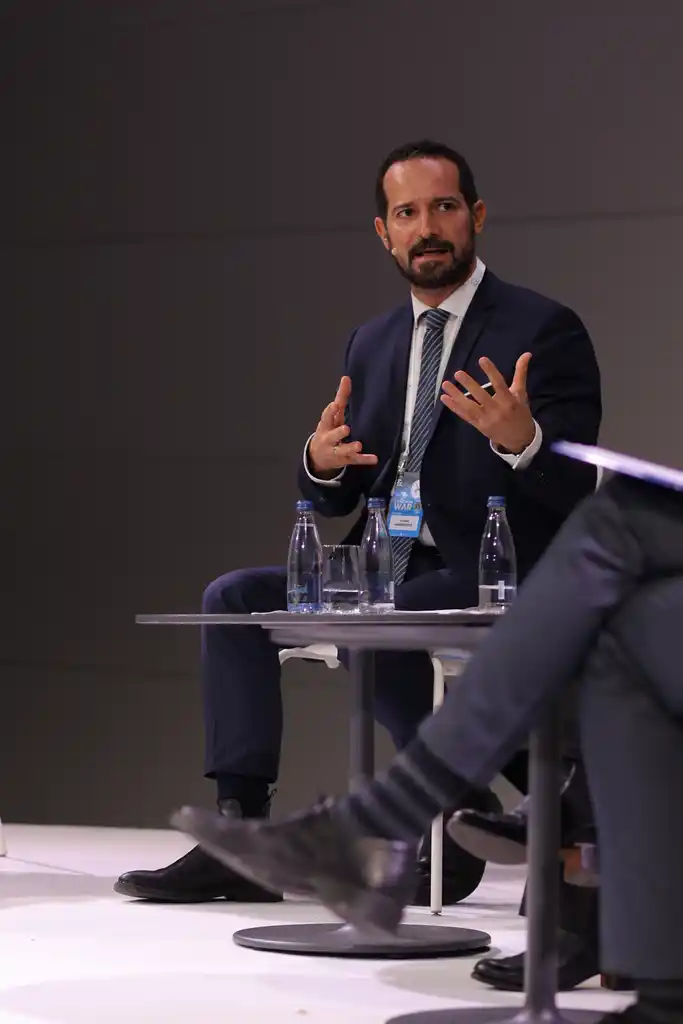
Tanasije Marinković, Professor of Constitutional Law at the University of Belgrade’s Faculty of Law and Member of the Republic Electoral Commission, addressed legal and institutional reforms. He identified the establishment of prosecutorial police, operating under the authority of public prosecutors during criminal investigations, as a priority. He also discussed changes to electoral legislation, the voter register, and the political neutrality of public administration, stressing the importance of legal procedures and institutional accountability.

Gazela Pudar Draško, Director of the Institute for Philosophy and Social Theory at the University of Belgrade, discussed student-led mobilisation and citizen participation in political life. She addressed the role of local-level participation in democratic processes and the need for institutions to serve citizens regardless of their political affiliations.
Milan Šarić moderated the discussion, which also addressed the depoliticisation of public administration and the legal framework governing changes to politically appointed positions. The panel examined the institutional and political challenges facing Serbia following the elections, including judicial independence, electoral reform, public administration, and the country’s EU accession process.