

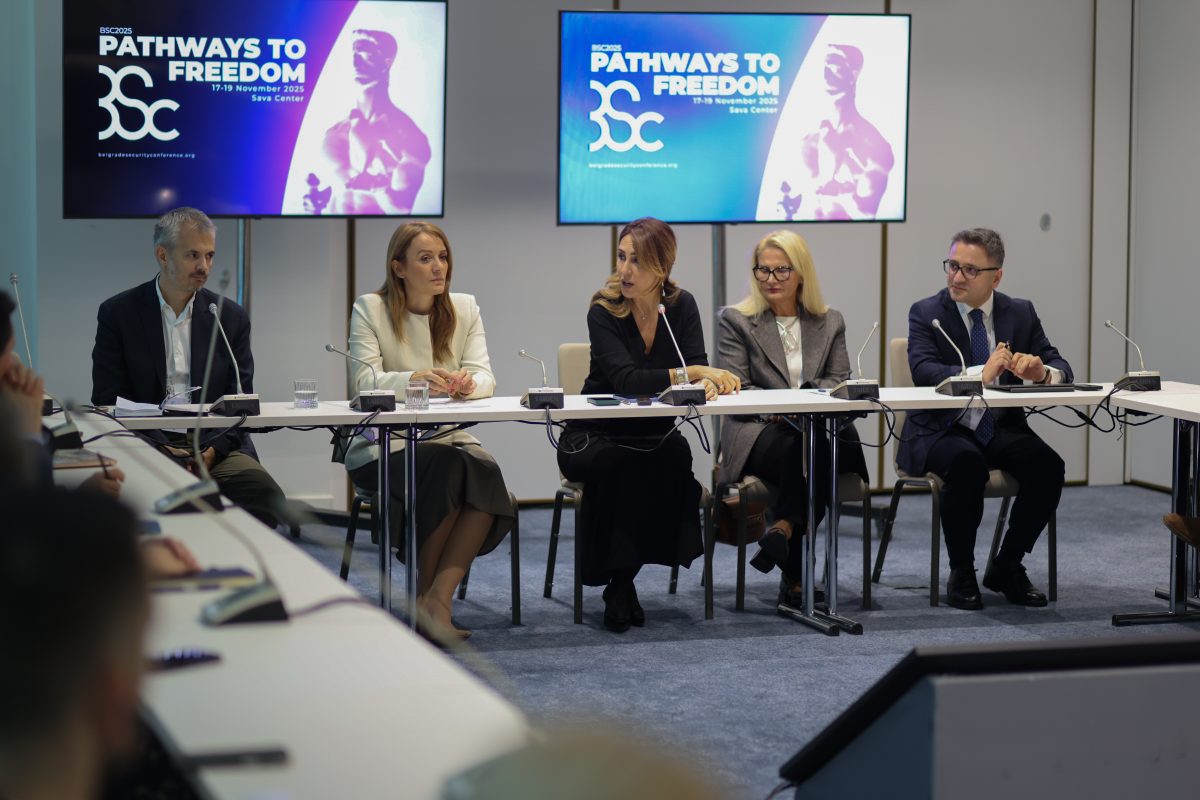
One of the three parallel panels on the final day of the Belgrade Security Conference 2025, moderated by Majlinda Bregu, Chair of the Strategic Committee at Europe Plus (E+) and former Minister of European Integration of Albania, focused on the future of EU enlargement and the reforms needed to restore credibility to the process.
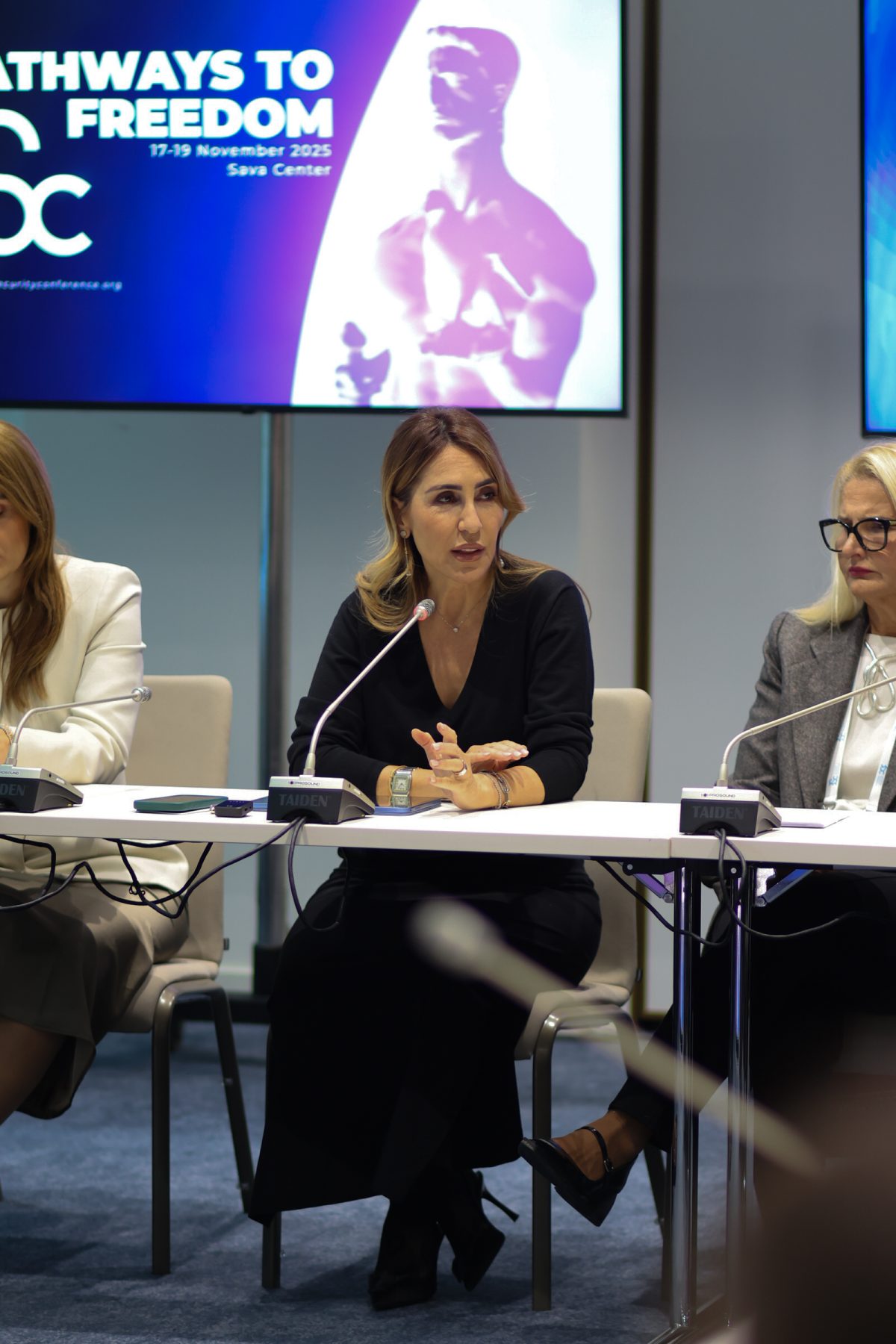
Despite their differing perspectives, the speakers agreed that enlargement remains both strategically essential and potentially transformative – but only if the EU accelerates its approach and strengthens support for genuine democratic and institutional change in the Western Balkans.
Tanja Miščević, Professor at the Faculty of Political Science at the University of Belgrade and former Minister for European Integration, reflected on whether the traditional enlargement model has become too slow for today’s geopolitical realities and what a renewed approach should entail. She noted that the EU is currently exploring various proposals within the limits of its primary law, prioritising immediate measures that can deliver tangible results rather than reforms requiring treaty change. The introduction of gradual or accelerated integration tools – including the new Growth Plan – reflects this evolving mindset. Miščević argued that enlargement fatigue within the EU has produced reform fatigue in the region, making it essential to speed up the process. At the same time, she criticised the Growth Plan for lacking a clear connection to accession, stressing that economic convergence cannot substitute for political integration. For enlargement to succeed, she concluded, the process must become faster, more responsive, and more visibly tied to the goal of full membership.
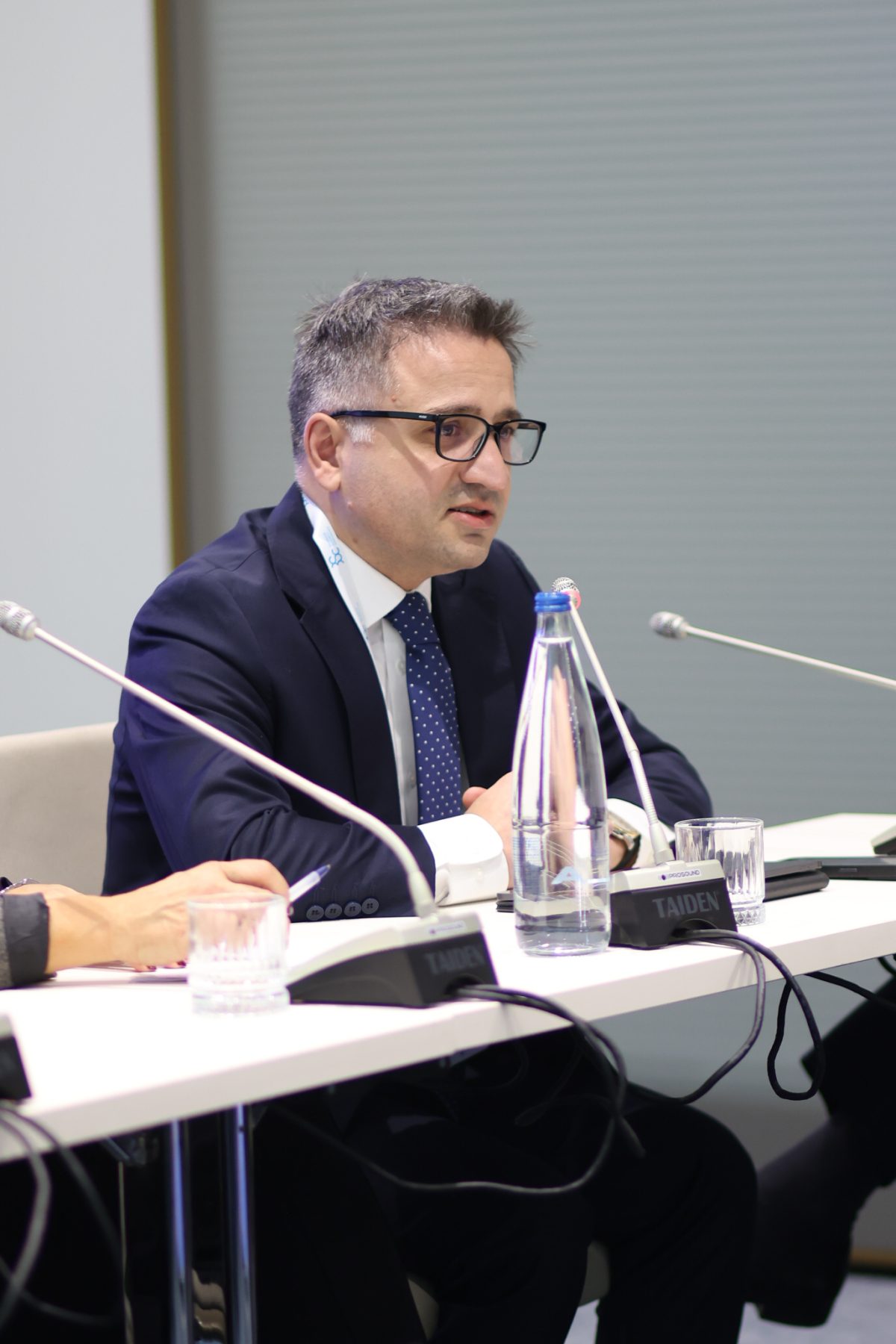
Fatmir Besimi, Founder and CEO of Strategers and former Minister of Finance of North Macedonia, addressed concerns about the financial implications of Western Balkan membership by asking whether allocating an additional one percent of current EU GDP to the region – if it were to join today – would truly burden the Union. According to him, major reforms demand significant resources: money, time, institutional capacity, and political vision. Yet countries often undertake substantial reforms without seeing meaningful progress in accession talks. He illustrated the financial gap between candidate countries and member states by noting that IPA funds currently offer roughly €150 per capita, compared with structural and regional funds in new EU members, which reach around €3,000 per capita and increase annually. This, he emphasised, demonstrates the transformative power of full EU membership. Research consistently shows that economic convergence accelerates only after accession. The region, he argued, should not be viewed as a cost: a market of 20 million people is far from a burden, and strategically, the Western Balkans are integral to Europe’s future. The real challenge, he concluded, lies in the pace and consistency of reforms.
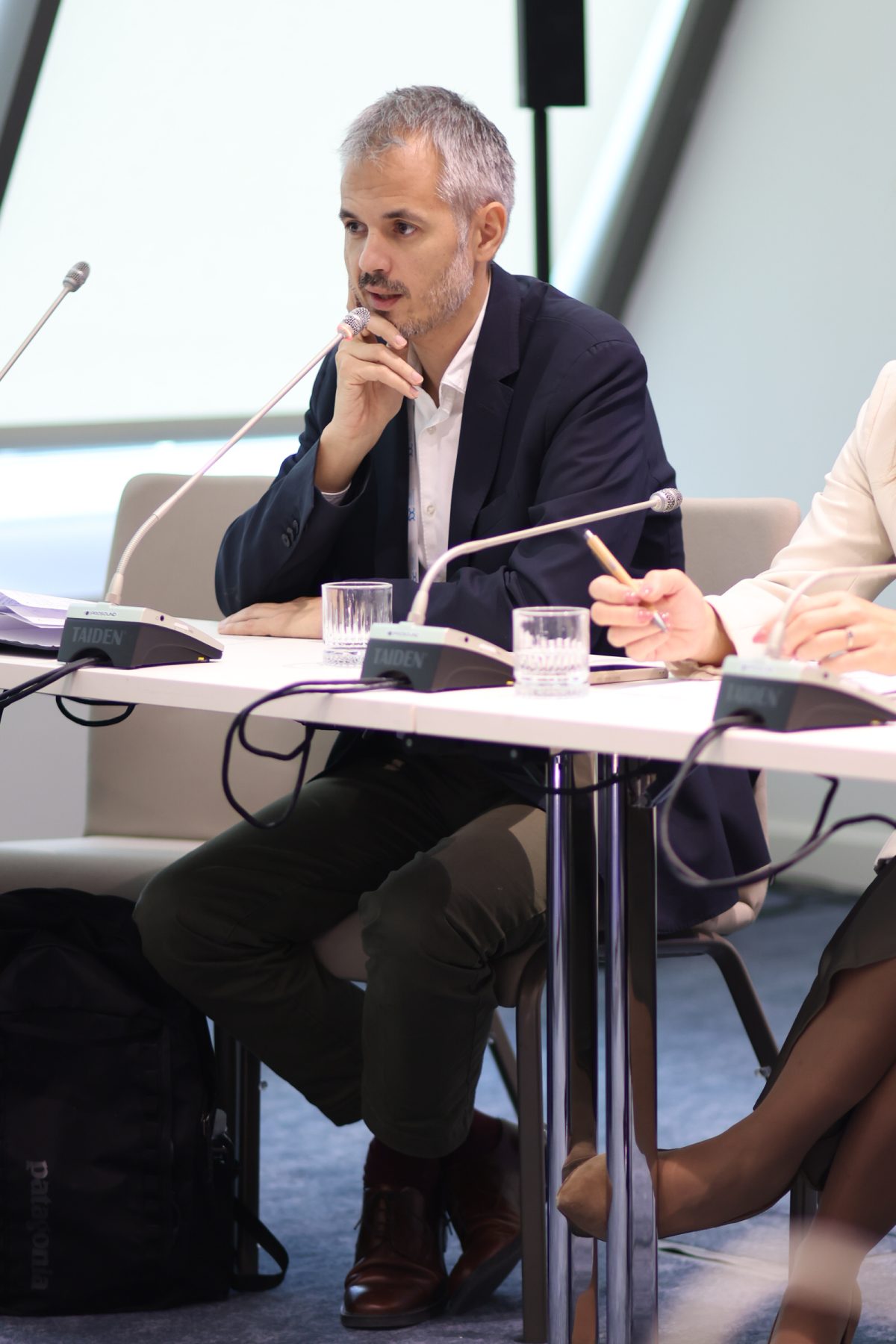
Agon Maliqi, Nonresident Senior Fellow at the Atlantic Council’s Europe Center, argued that EU enlargement today functions primarily as a security project. He reminded the audience that the EU was originally created as a peace project that ensured stability across the continent for decades, yet over the last ten years EU policy toward the Western Balkans has resembled containment more than genuine integration. Now, after a decade of scepticism, a new momentum is emerging – a window of opportunity for those prepared to seize it. Maliqi noted that only around 40 percent of Western Balkan citizens are aware of the actual economic benefits of accession, underscoring the absence of strong domestic drivers for change. Reforms, he stressed, remain indispensable, but he identified Serbia as the decisive battleground where the EU risks losing the opportunity to form a new partnership with reform-oriented actors. Brussels, he argued, must engage more actively with those working toward democratic change rather than prioritising “stability” above all else.
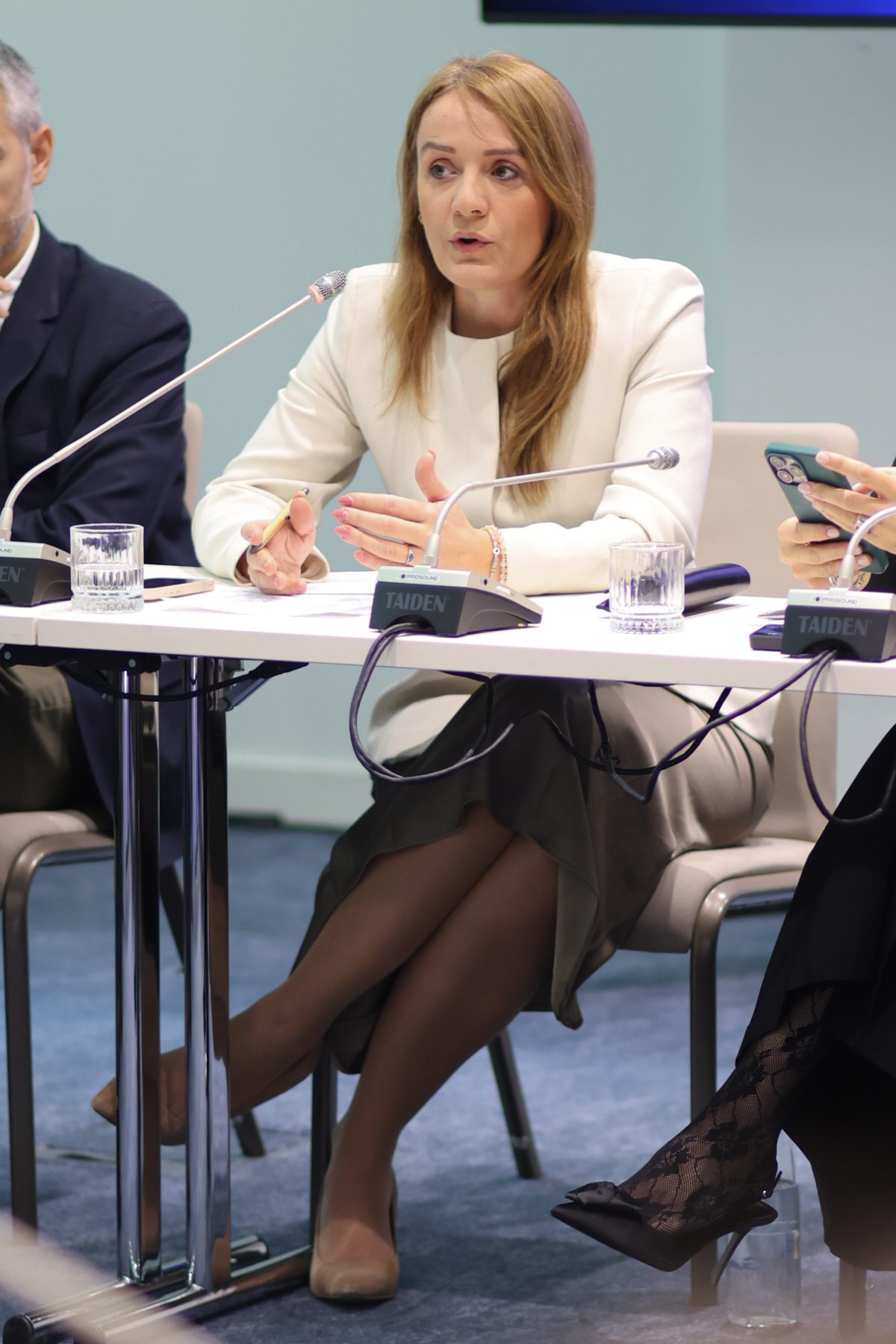
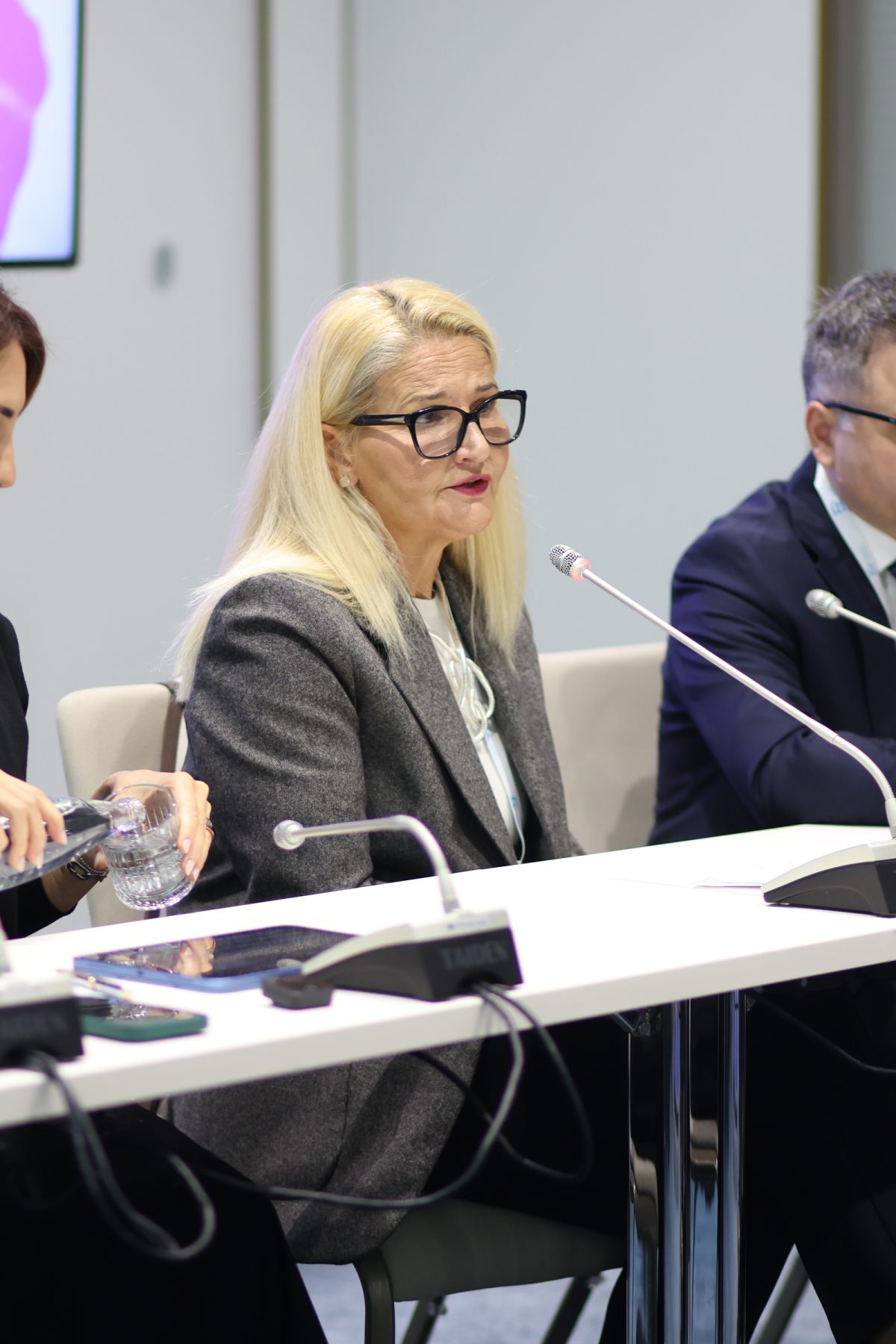
Biljana Papović, State Secretary at the Ministry of European Affairs of Montenegro, emphasized that the enlargement process still carries substantial transformative power. She pointed out that Montenegro continues to register some of the highest public support for EU membership in the region, often between 70 and 80 percent, and that citizens expect and demand progress. Starting from a weak baseline in terms of economic indicators, financial stability, and administrative capacity, Montenegro has made notable advances. Still, Papović underlined that reforms cannot succeed without strong support from EU member states and a robust regional dimension. She highlighted initiatives such as SEPA and rule-of-law programmes, which bring direct, visible benefits to citizens. At the same time, she observed that regional initiatives often lack a clear link to the accession process, even though alignment with EU standards is costly and requires expert assistance and substantial financial backing from the Union. On mechanisms to safeguard standards after accession, she clarified that Montenegro does not oppose post-accession monitoring. However, restricting voting rights or offering anything less than full membership would be unjust if a country has fulfilled all required obligations.