

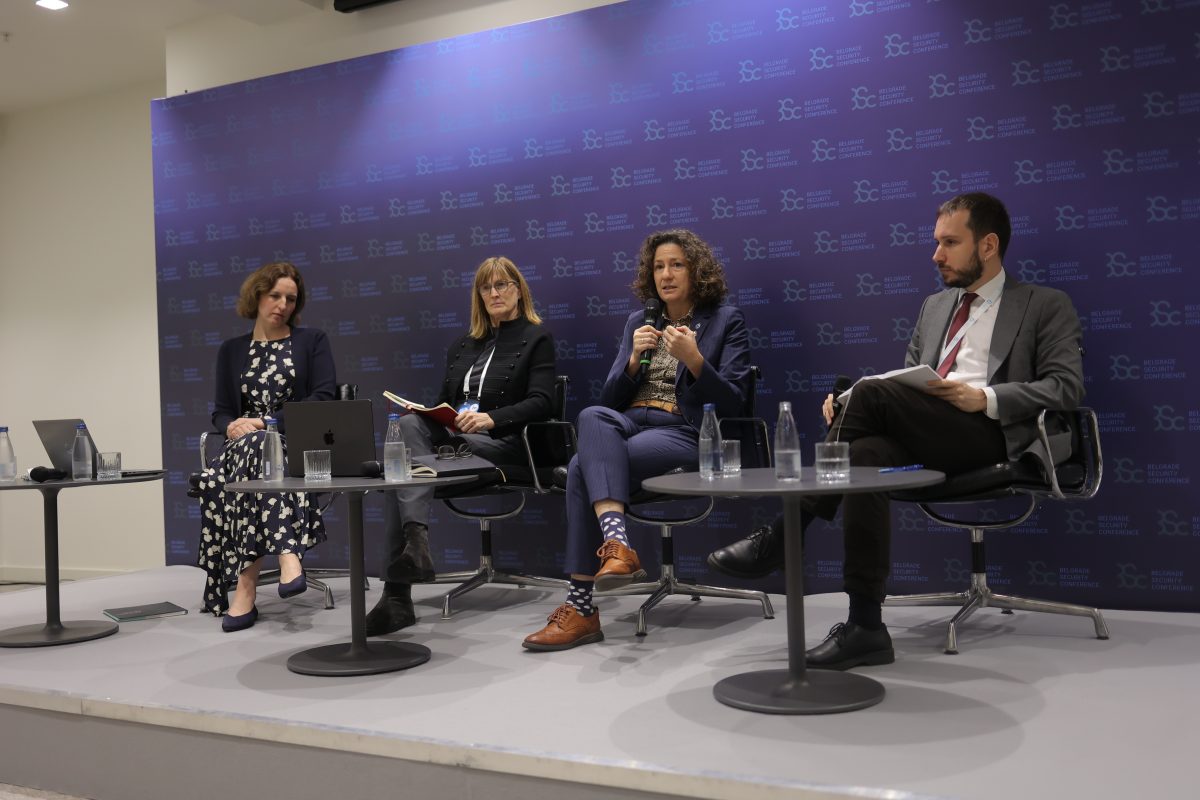
One of the final panels at the Belgrade Security Conference (BSC) 2026, “After the Midterms: The Future of American Democracy and its Implications for Europe,” concluded that while the Democratic sweep of both chambers of Congress reflects widespread voter dissatisfaction against living costs, tariffs, the war in Iran and perceived corruption, it will not restore the pre-Trump transatlantic order. Moderated by Nikola Burazer, Programme Director at the Centre for Contemporary Politics and Executive Editor of European Western Balkans, the discussion reached a consensus: Trump-era foreign policy has established a new, transactional baseline that future U.S. administrations of either party will build upon, rather than reverse. With Washington increasingly viewing global affairs through strategic competition, Europe can no longer defer hard security and political choices while waiting for a return to unconditional American leadership.
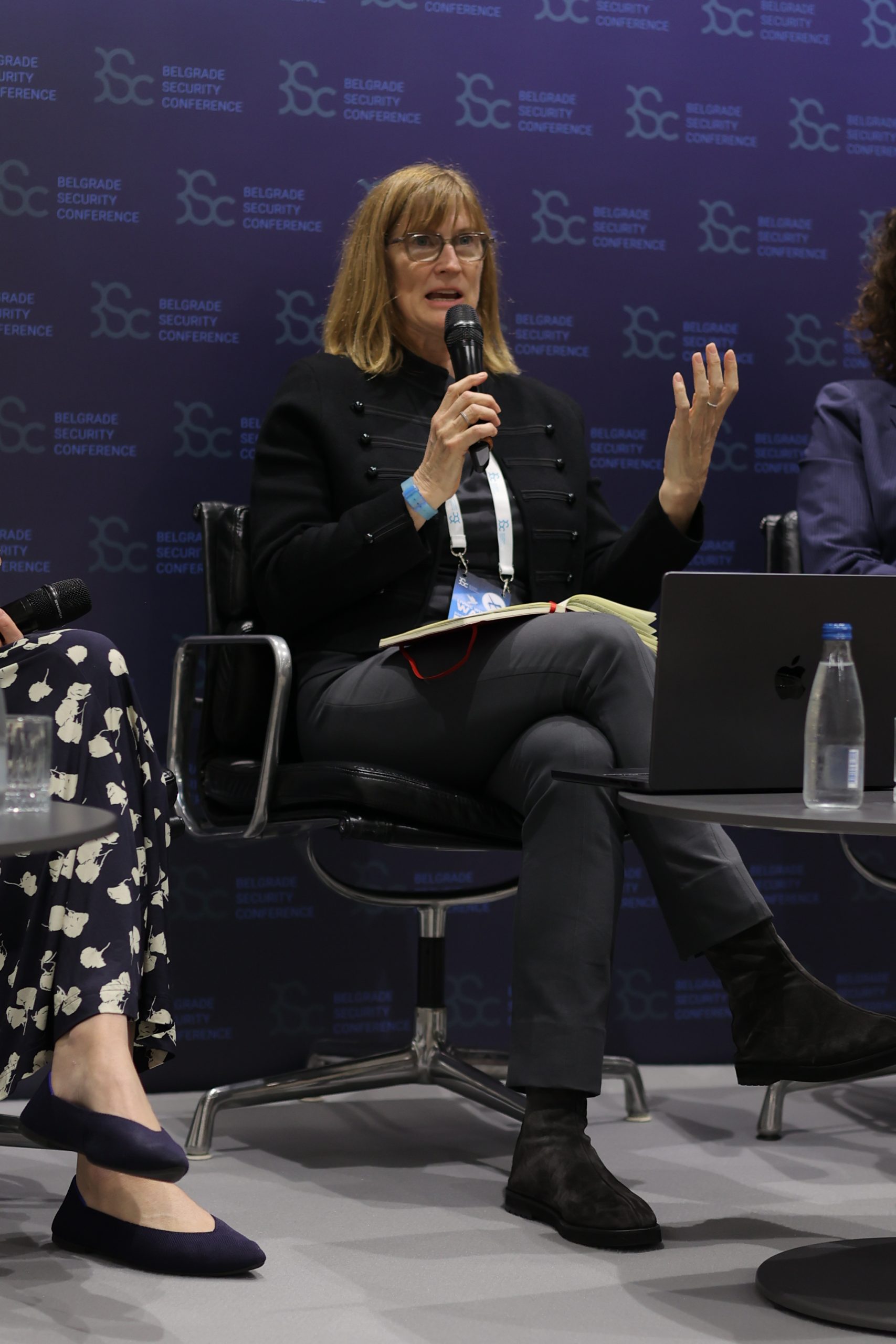
Examining the institutional limits of the midterm shift, Laurel Rapp, Director of the US and North America Programme at Chatham House, emphasized that the executive branch has broad latitude over military deployments and bilateral dealmaking, even as a Democratic Congress prepares to use budget authority and oversight investigations, targeting self-enrichment, foreign ties and Iran, ahead of 2028. Drawing on Chatham House interviews with over 30 U.S. political leaders, Rapp noted that the norm that “politics stops at the water’s edge” has eroded, warning that the 1990s and the Biden administration likely marked the “high-water mark” of U.S.-Europe relations. She urged Europe to plan for U.S. troop drawdowns, accelerate the Europeanization of NATO and anchor cooperation in concrete economic and supply-chain initiatives.
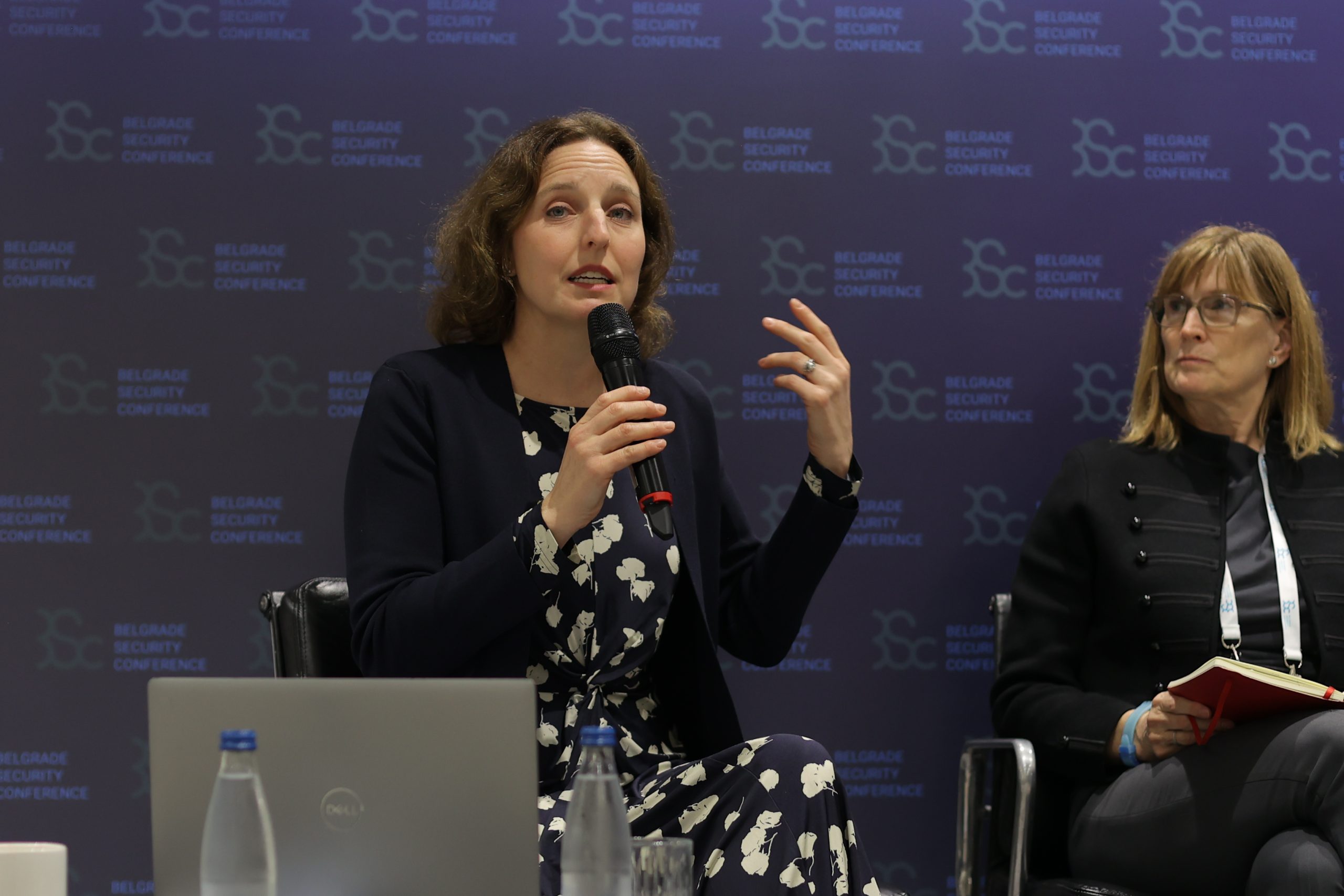
Turning to the resilience of American democracy in response to a question from moderator Nikola Burazer, Melissa Hooper, Executive Director of the Center for Constitutional Democracy at the UC Law School, rejected the premise that democratic erosion can still be prevented: “We were not able to prevent it. We really have been sliding for a long time, so we are in it.”Pointing to three domestic guards holding the line, federal courts (including Trump-appointed judges) blocking unlawful firings, frozen funds and birthright citizenship restrictions despite daily death threats; watchdogs like CREW and the Brennan Center; Democratic-led states invoking federalism, Hooper argued that the U.S. must replace fragile norms with enforceable laws. She added that the abrupt shutdown of USAID, in her view, by personal interference from Elon Musk and a push for discretionary dealmaking, turned Washington from a global problem-solver into a source of instability, making U.S. civil society look to Southeast Europe for lessons in peaceful resistance.
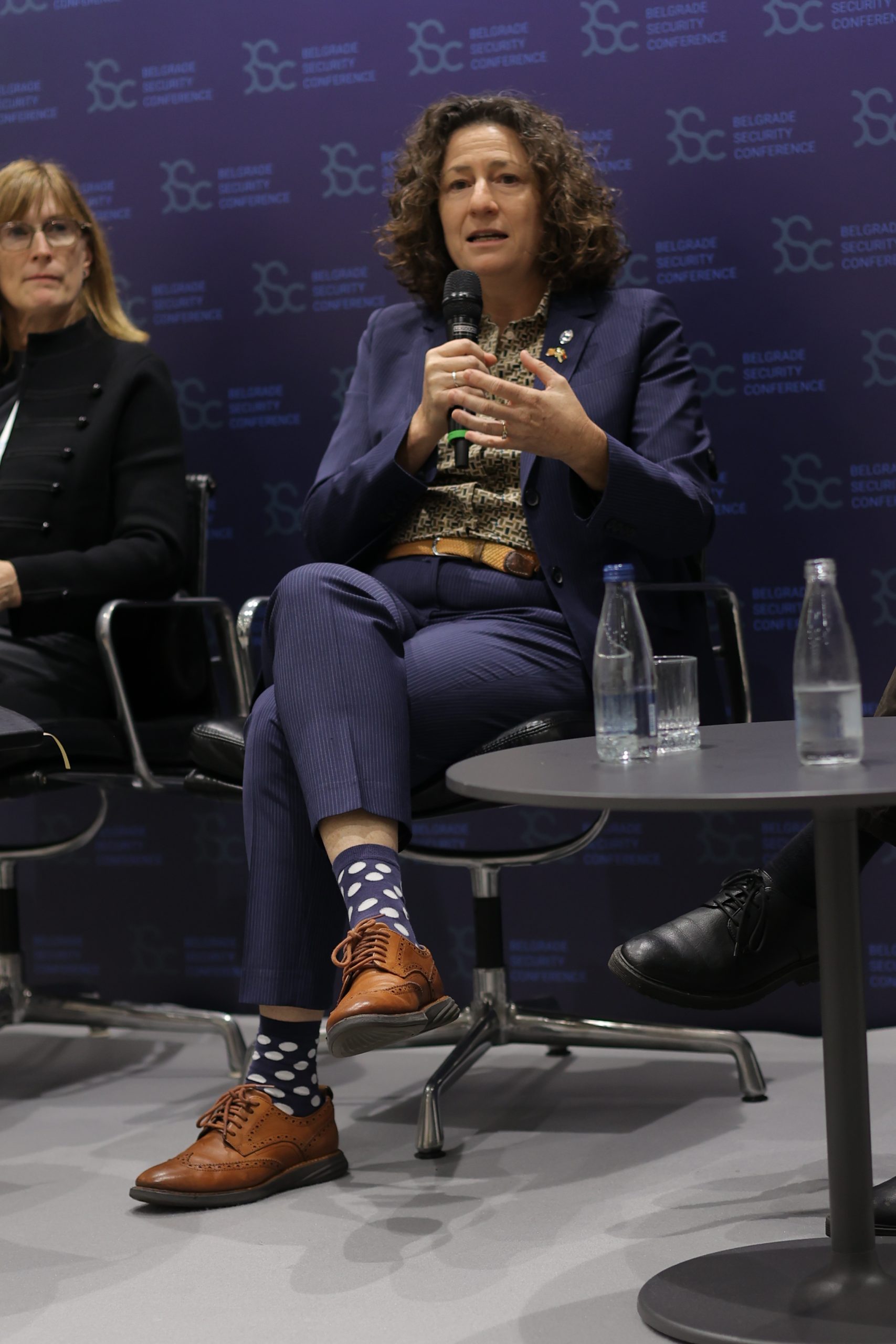
For Europe and the Western Balkans, Robin S. Brooks, Visiting Fellow in Global Policy and Governance at Pomona College, warned that continuing Europe’s “great waiting out”, delaying strategic commitments in hopes that a future U.S. election will restore traditional American engagement, is unsustainable. Noting that the Balkans are not a top priority for the White House or Congress beyond targeted corruption oversight, Brooks argued that European governments must forge a cohesive, interests-based security policy and take local ownership of regional challenges rather than waiting for Washington. She added that dismantling USAID undercut U.S. soft power, hurt American farmers and businesses reliant on rule-of-law frameworks abroad and forced dismissed aid workers to start from a “zero base”.
In the brief Q&A session, audience questions addressed whether the midterms signal a lasting political realignment ahead of 2028, how Democrats will approach national security strategy and how Serbia’s incoming leadership should engage Washington. Panelists noted that the shift shows the U.S. electorate remains responsive as Democrats debate China, trade and the Middle East ahead of an open 2028 race, creating a “laboratory of ideas” for allies to shape future U.S. foreign policy platforms. On engaging Washington, they urged Serbia’s incoming government to rely on qualified diplomats over paid lobbyists while calling on Serbian citizens to grant the new leadership brief grace as it builds consensus on complex policy challenges.