

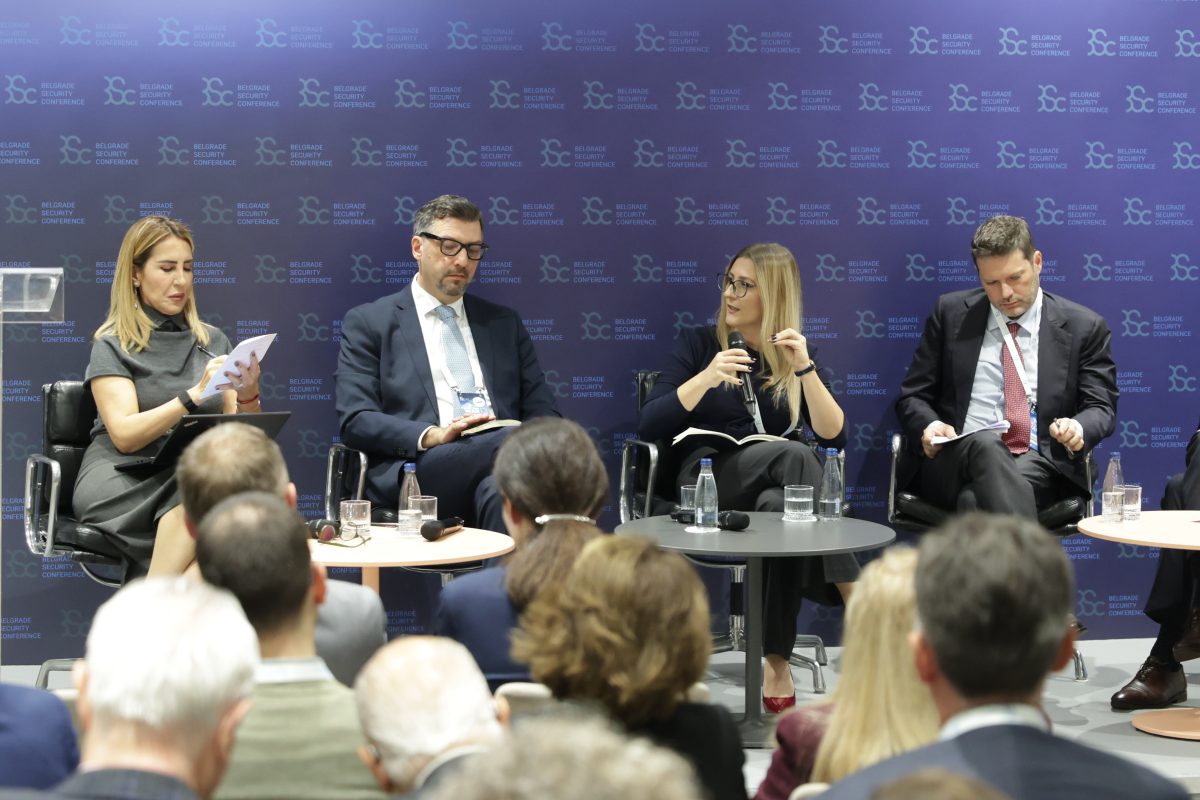
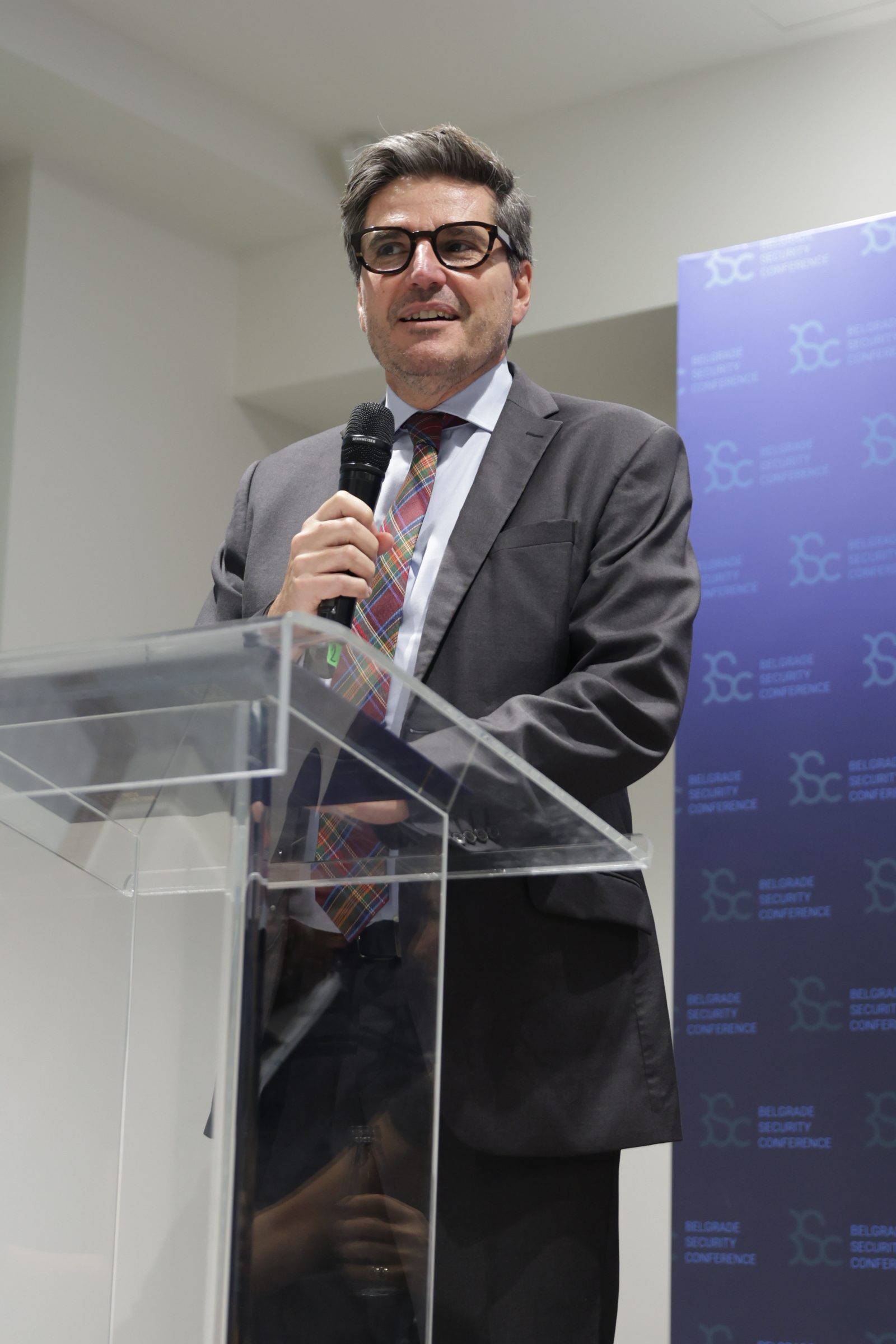
The panel brought together five panellists, two from the EU and two from candidate countries, to discuss the future of the EU enlargement process and the potential timeline and challenges to accession for the countries of the Western Balkans. Julian Vessallo, Chargé d’Affaires of the Delegation of the European Union to the Republic of Serbia, delivered opening remarks before the discussion, emphasizing that the door for accession is still open to the region. He expressed optimism for deeper integration between the region and the EU in the future.
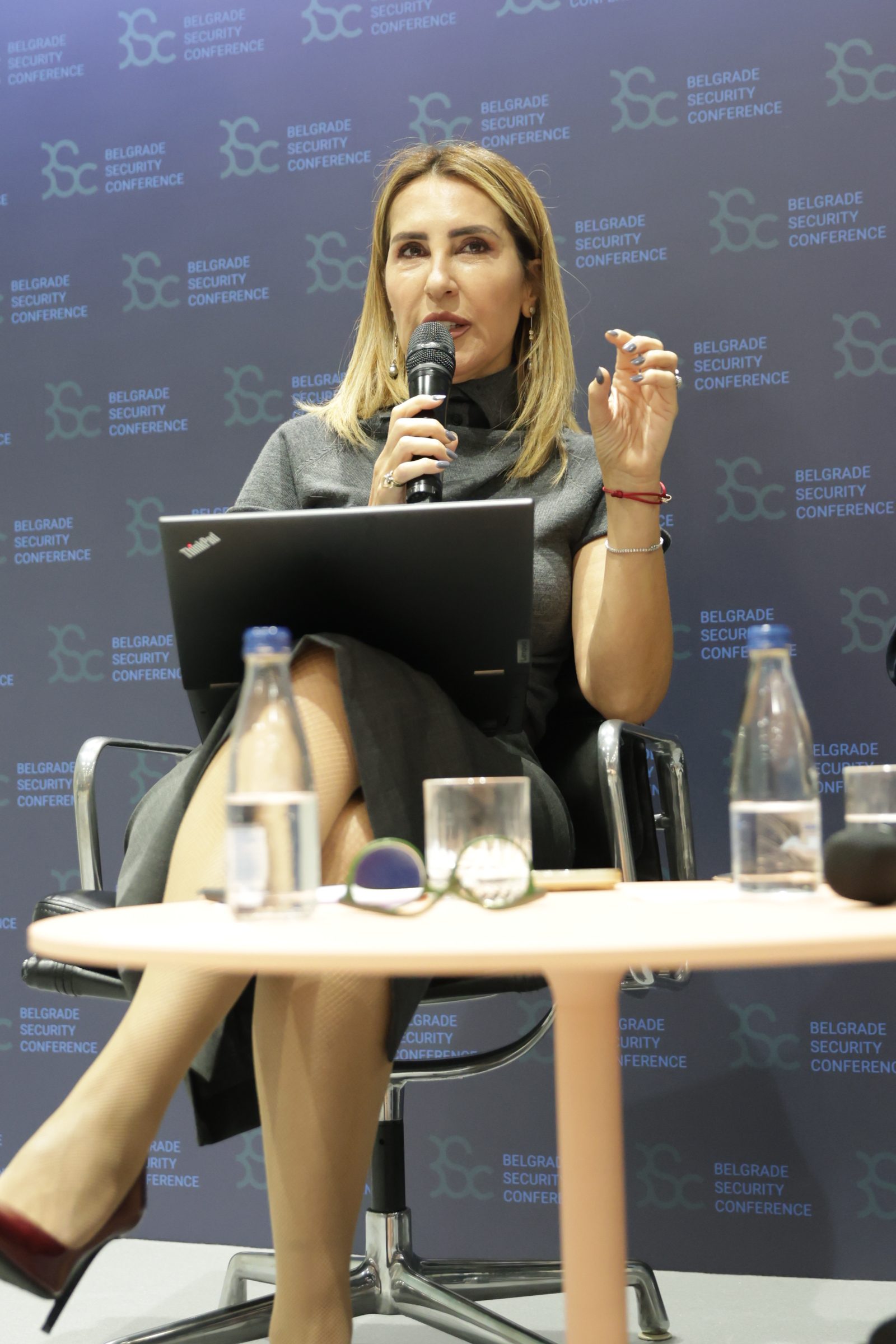
In the discussion, moderated by Majlinda Bregu, Strategic Advisor at Europe Plus and Former Secretary General at Regional Cooperation Council, the panellists broadly agreed that accession was progressing, but that significant changes would need to be seen before full accession for the region is possible. Panellists from the candidate countries generally pointed to the EU as needing to soften some of its prospective safeguarding proposals if it wants to keep the door open for the region. While panellists from member states did not fully disagree with this, they argued that the EU also needs to see more work from the region to show that reforms are actually being implemented.
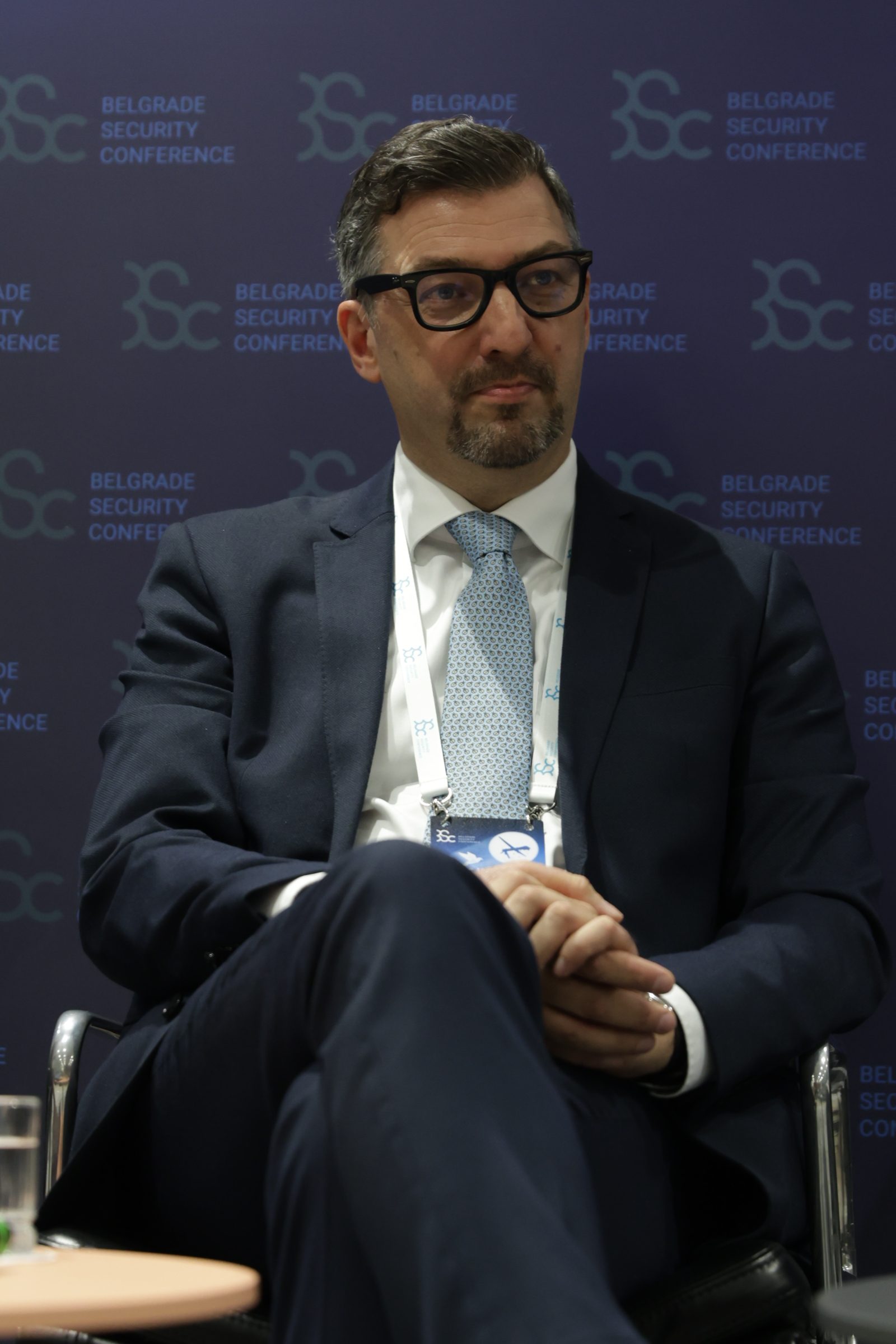
Matteo Bonomi, Head of the Europe Programme at the Istituto Affari Internazionali, noted that enlargement has always been an evolving process and argued that while member states were unlikely to be ready to stomach a new process entirely, more could be done to fund the procedural institutions that already exist to help deepen support for the region’s integration.
Srđan Majstorović, Chairman of the Governing Board of the European Policy Centre (CEP), was optimistic about the fresh start that the elections in Serbia represent for getting the country back on track with its accession process. He highlighted regional cooperation as an area in which Serbia and its neighbours have significant room to improve, one which could help demonstrate their seriousness and democratic maturity to the EU and stated that he believed Serbian society will be in a much better place four years from now thanks to the recent elections.
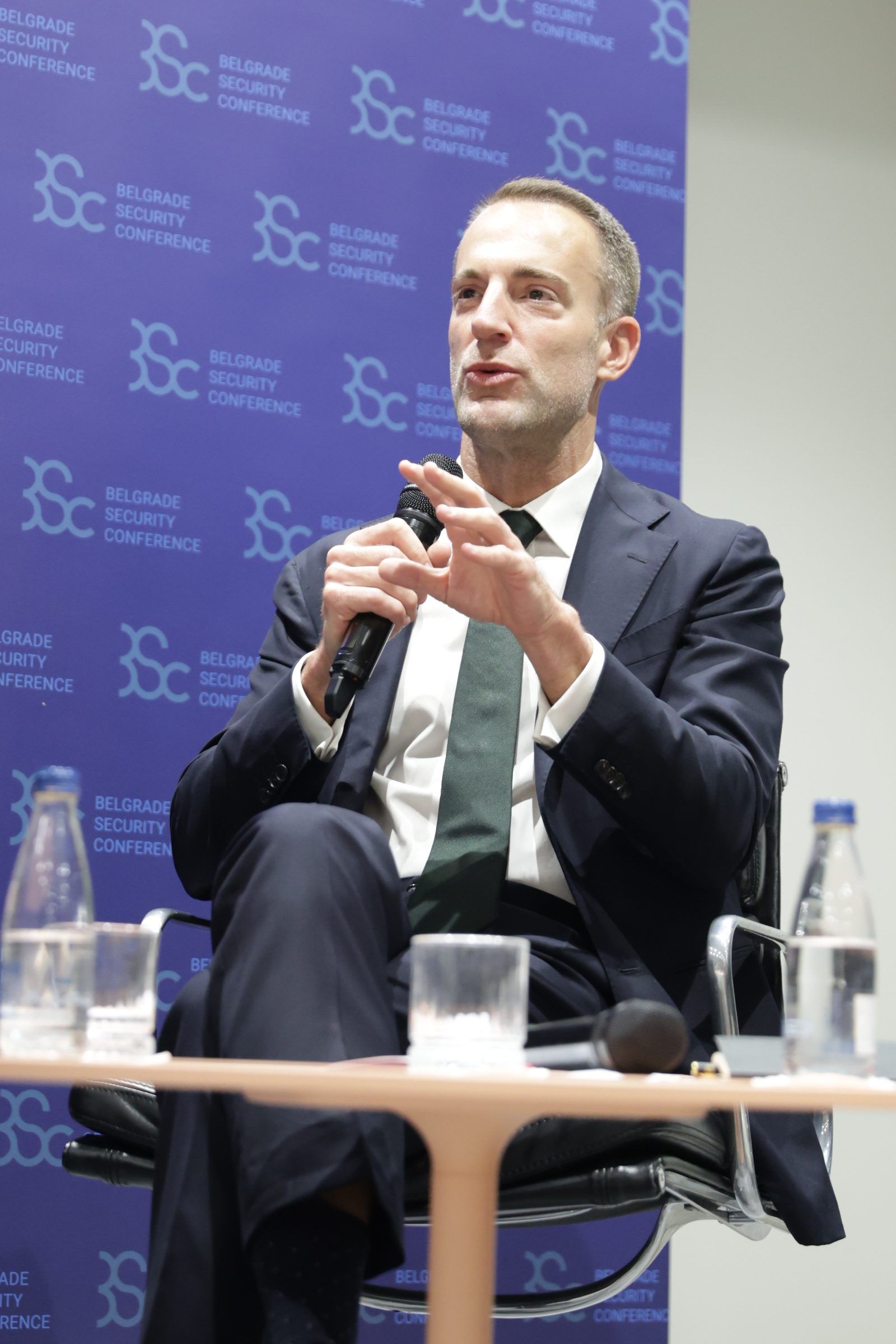
Matej Zakonjšek, Independent Adviser on European Connectivity and former Director of the Transport Community Secretariat, noted that it is important to remember that in the big picture integration is always happening, both for candidate countries and for member states. He noted that under the right conditions things in the region can move quickly, as was the case for establishing green lanes for transport during covid, and expressed hope that a similar commitment and drive could be applied to accession reform as well.
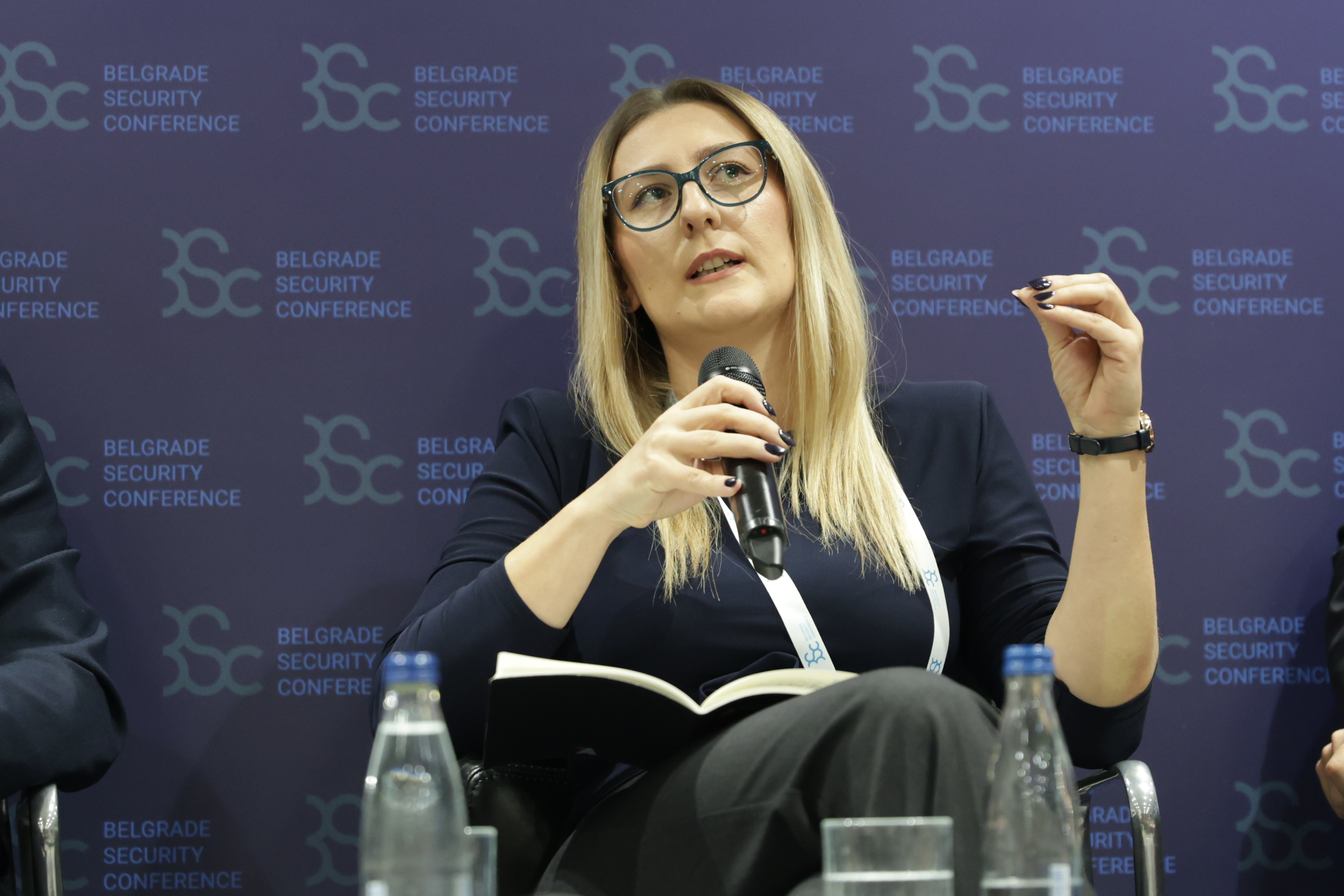
Dragana Jaćimović, Executive Coordinator at Institute Alternative, expressed hope for Montenegro’s entry into the EU by 2028. She also noted that, perhaps despite its own wishes, Montenegro will likely serve as a test case or roll model for reforms to the EU’s accession process. She expressed concern about the lengthy 15-year safeguarding period currently proposed for new member states, stating that she would be in favour of lowering the potential safeguards while still keeping some in place.
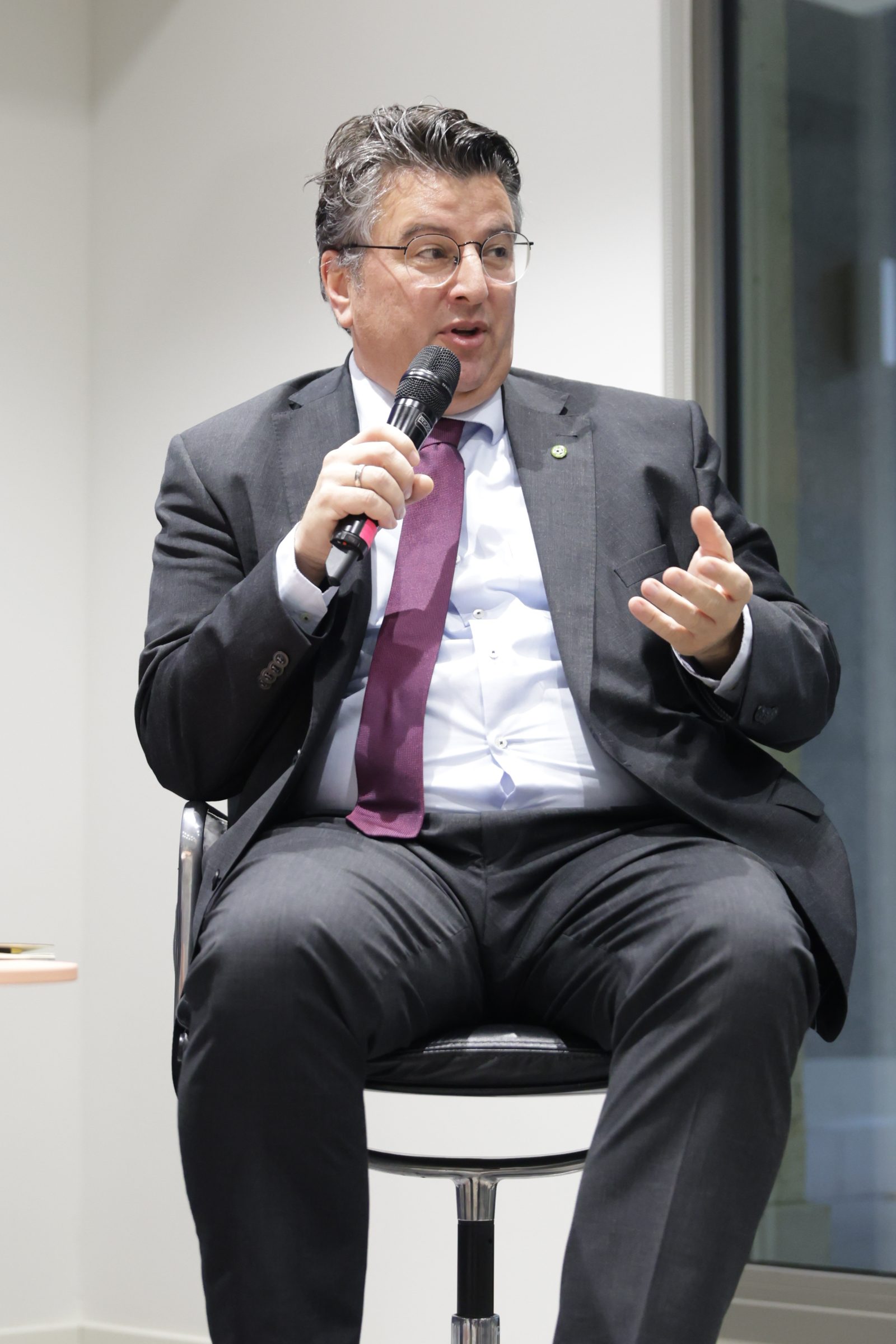
Boris Mijatović, Member of the German Bundestag, highlighted a need for further effort from the region as the main hurdle to accession, noting that many reform efforts have too often been only for show to appease the EU, while not representing a genuine effort to undertake societal and political reform. He noted that enlargement is not only an issue in candidate countries, but also in member states, and argued that safeguards are necessary to get member states who are worried about corruption in the region on board with enlargement.