

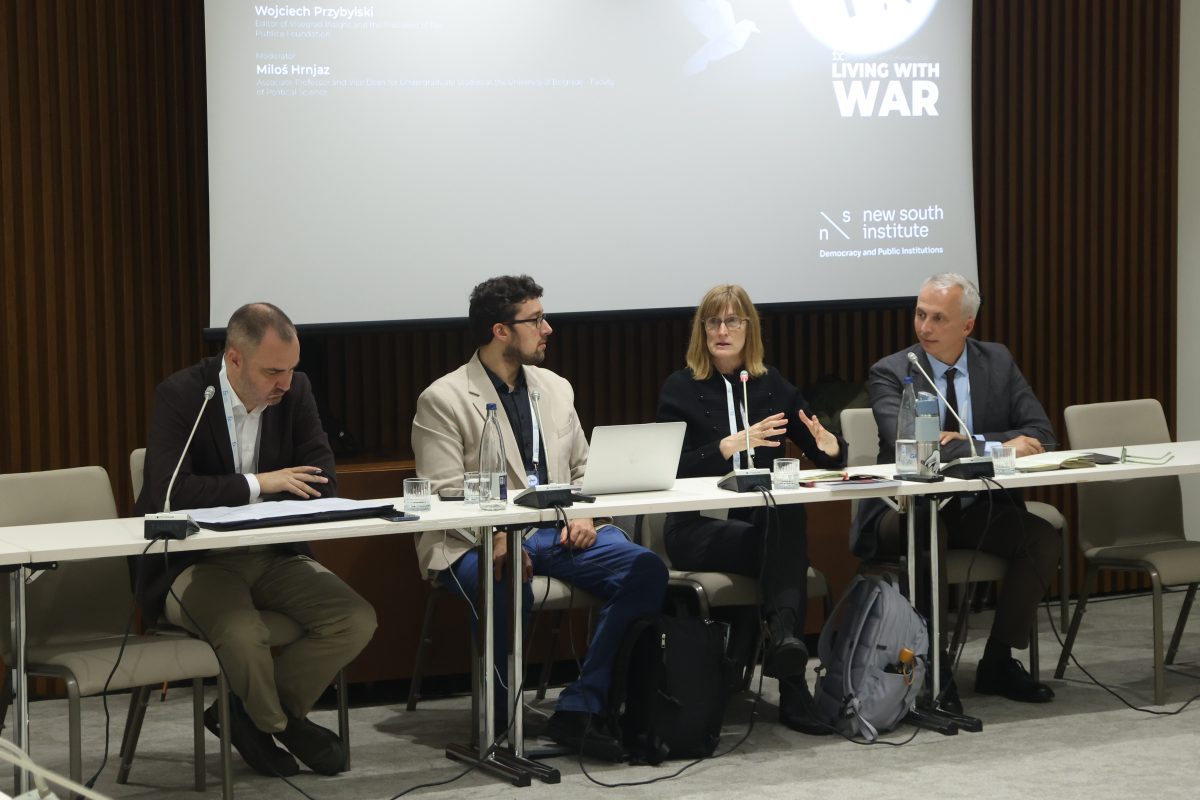
The panel “From Party Control to Professional Governance: Rebuilding the State” focused on the role of a professional and politically neutral civil service in preventing and resisting state capture. Drawing on experiences from Poland, Hungary, the USA and Serbia, the panellists explored how governments can restore effective governance, dismantle captured institutions and strengthen the role of the civil service in this process. Through historical examples, policy experiences and political theory, they identified practical lessons for building a professional state that is both democratically accountable and resistant to political capture. One of the panel’s key takeaways for future reformers, particularly in countries such as Serbia, was the importance of communicating reforms effectively. Public understanding of the process and the decisions behind it is essential for securing public support and building a resilient society capable of resisting a return to the former corrupt system.
The panel opened with introductory remarks by the moderator, Miloš Hrnjaz, Associate Professor and Vice Dean for Undergraduate Studies at the University of Belgrade’s Faculty of Political Science, who outlined the topic and context of the discussion.
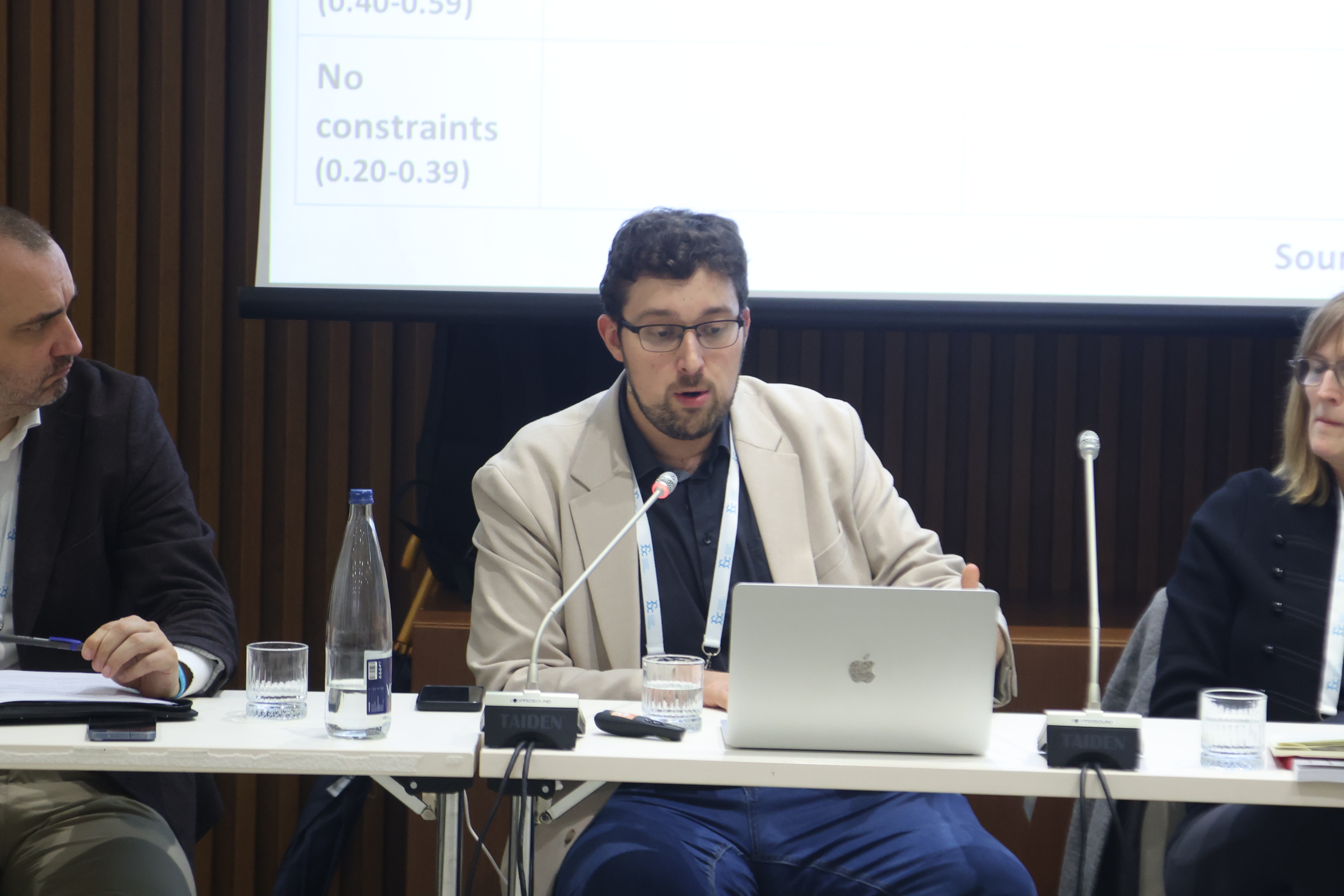
Bálint Madlovics, Research Fellow at the CEU’s Democracy Institute, outlined three types of states: corrupt, captured and criminal, explaining how corruption evolves from isolated instances into systemic practices involving the entire state apparatus. He also introduced the concept of amplitude of arbitrariness, linking corruption to democratic backsliding. Contrasting Weberian and patronised bureaucracy, he emphasised the need for personal, institutional and financial independence to ensure effective institutional autonomy. Drawing on Poland’s experience, he highlighted these principles as essential for institutional reform. Turning to Serbia, he described the situation as “a change of regime, with a mandate to change everything”, rather than simply a change of government. He stressed that reforms must go beyond dismantling the existing system and include safeguards against its return.
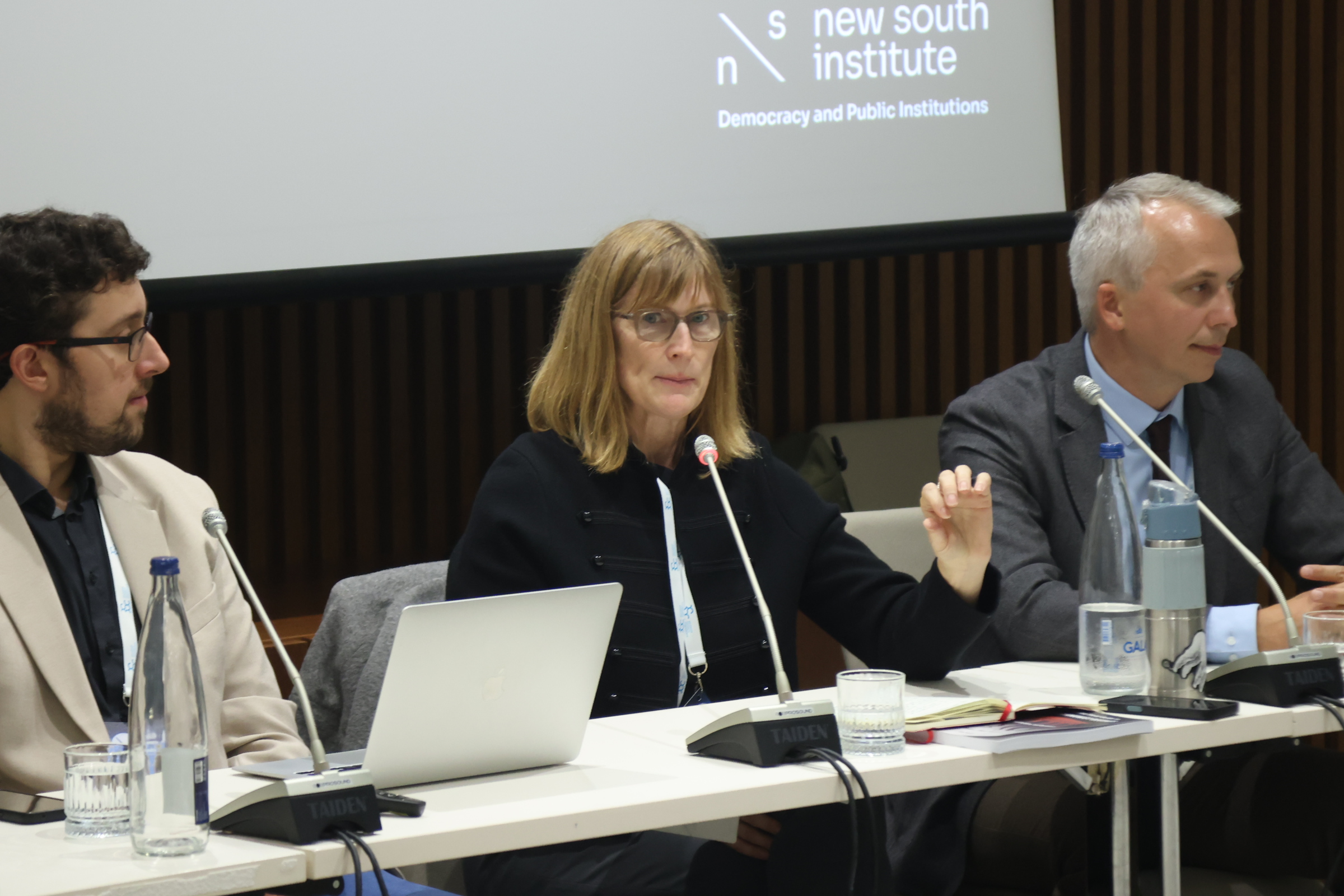
Wojciech Przybylski, Editor of Visegrad Insight and President of the Res Publica Foundation, shared lessons from Poland’s democratic transitions in the 1990s and 2023–2024. He stressed that “democracy is an ideological project worth fighting for, but not a given”, identifying political elites, geography, national history and chance as factors shaping democratic change. Citing Poland’s 1989 macroeconomic reforms, he emphasised the need for bold decisions while maintaining a balance between economic results and political stability. He also warned that although voters reward politicians who deliver on their promises, this can create opportunities for populism. He concluded by calling for a renewed sense of public duty within the civil service.
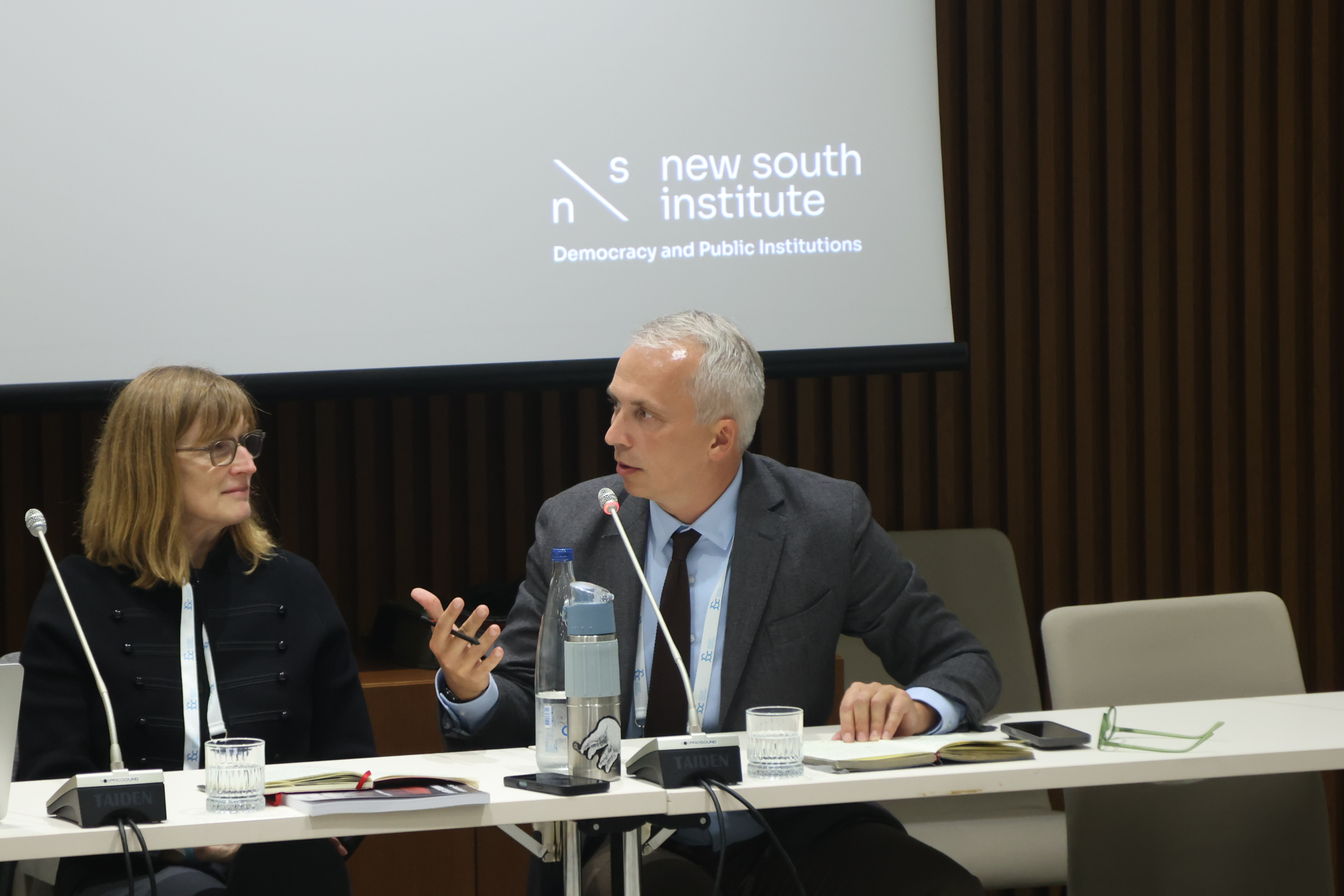
Melissa Hooper, Executive Director of the Center for Constitutional Democracy at UC Law San Francisco, discussed institutional changes in the United States under the current administration, highlighting weakened checks and balances, politically motivated dismissals of military generals and the broad interpretation of Article II of the US Constitution. She also warned that professional standards within the Department of Justice had eroded, including the presumption of regularity and concerns over misleading statements by lawyers in court proceedings. Looking ahead, she stressed the need to restore recruitment standards, address the Department of Justice’s “culture of lying” and prepare reforms for implementation under a future administration from 2029. Her key recommendation was to maintain clear public communication to build understanding and support for reforms.
The panel concluded with a Q&A session, during which panellists expanded on their views and shared additional experiences, including Georgia’s. They emphasised the importance of maintaining balance throughout the long-term process of dismantling state capture.