


Closing the Belgrade Security Conference 2026, Igor Bandović, Director of the Belgrade Centre for Security Policy (BCSP), said that the democratic change in Serbia gives BCSP “the chance to do what we do best.” He set out three priorities for the period ahead: security sector reform, protecting democratic space and a foreign policy grounded in European integration.
Bandović told the audience that they had planned the conference while the outcome of Serbia’s elections was still unknown. “While we were putting this programme together, we were also making a contingency plan in case we had to leave Serbia,” he said.
He paid tribute to colleagues across the country, especially in civil society, “who carried on doing their jobs under extraordinary pressure.” “I wish none of them had had to live with that fear. And I’m deeply relieved to stand here today and say that those days are behind us.”
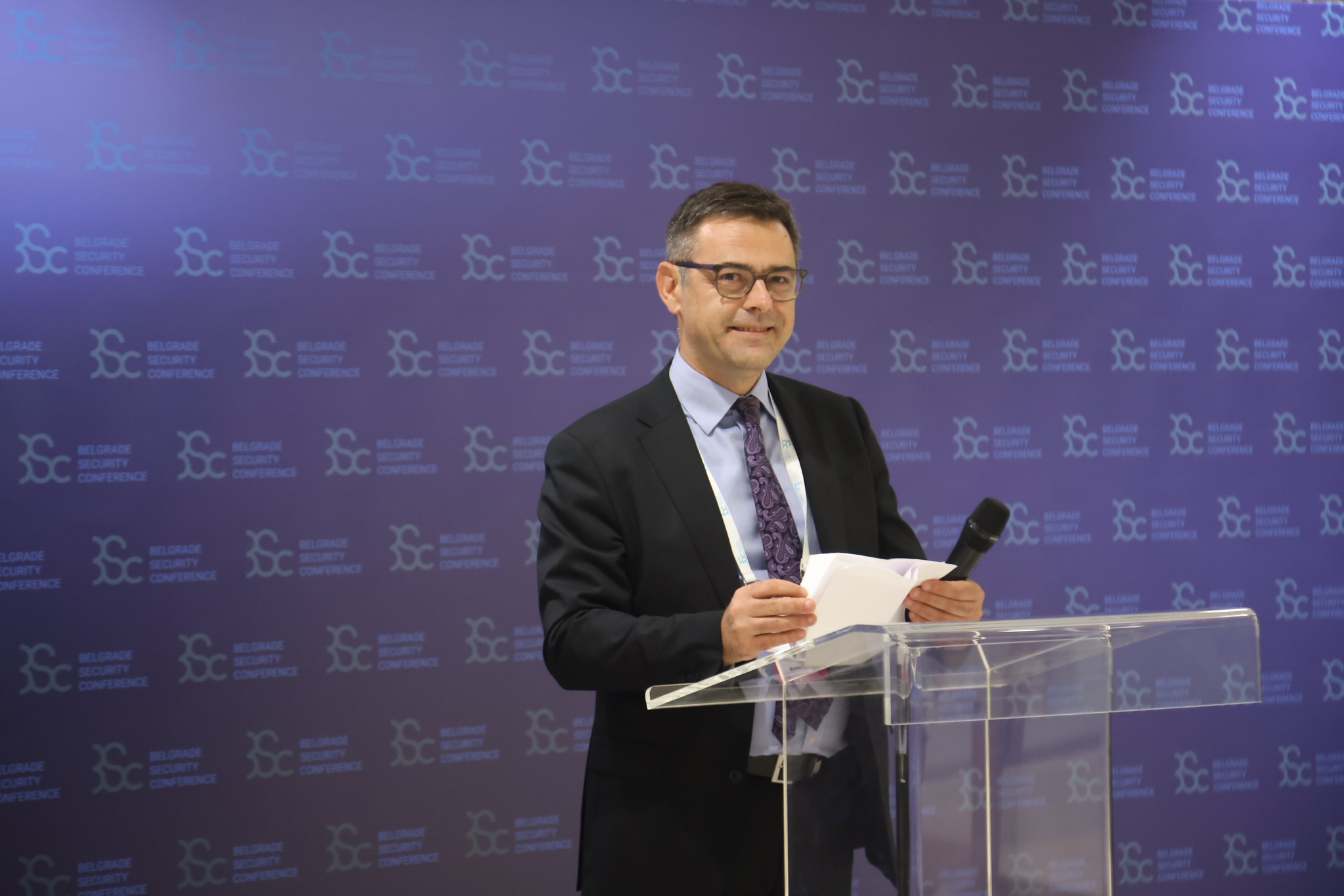
Bandović said BCSP would be “a principled partner to the new authorities”, drawing on thirty years of work to offer practical proposals on security sector reform and foreign policy. “We’ll share what we know, offer our advice and work with them wherever we can make a difference. We’ll also scrutinise their decisions, assess their progress and speak up when we disagree.”
“We held on to our integrity when it was hardest to do so. “It’s not for sale now; it might be convenient to sell it,” he added.
At the top of BCSP’s agenda is comprehensive security sector reform and accountability for abuse. Bandović called for reforming the BIA, rooting out criminal practices within it and taking party politics out of the security services. Abuses should be documented, investigated independently and prosecuted where the evidence warrants it.
He stressed the need to establish how state institutions were used to intimidate and discredit civil society organisations and activists, and to identify who authorised these practices and what allowed them to continue.
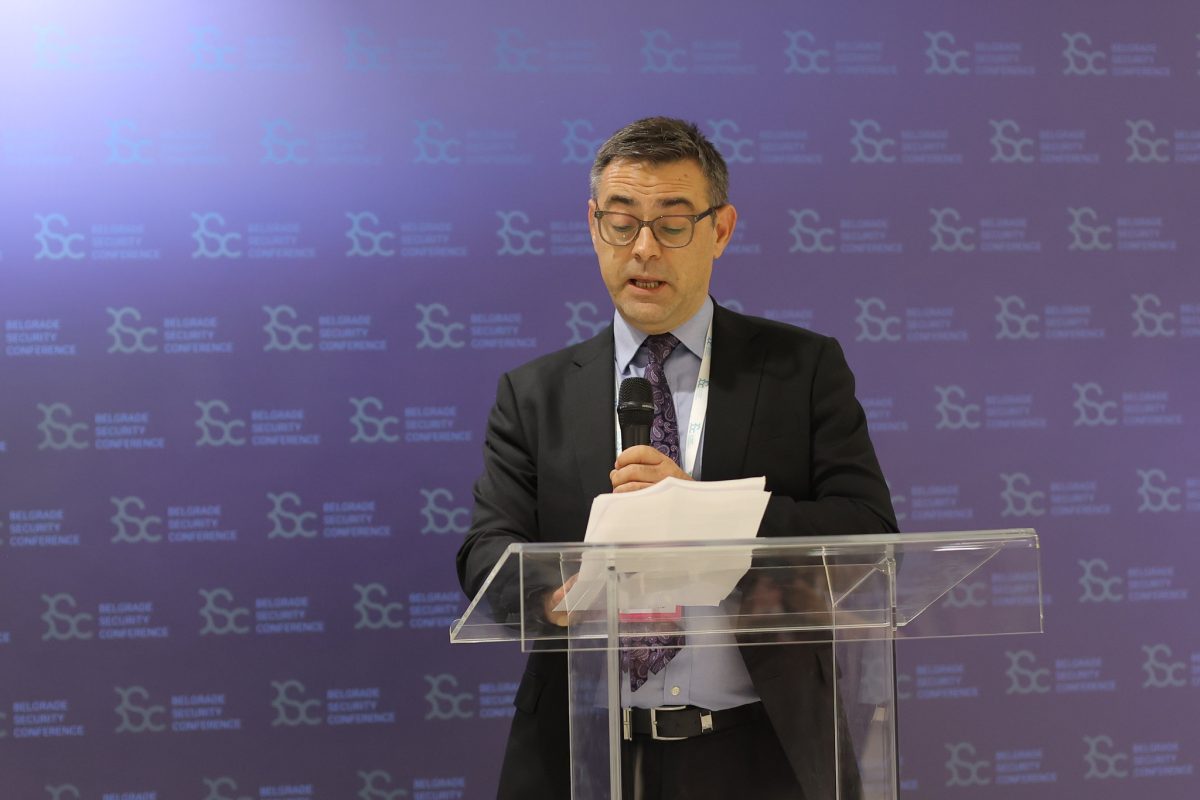
BCSP will also work to protect democratic space and strengthen the rule of law. “People must be able to organise, protest and criticise those in power without fearing that public institutions will be used against them,” Bandović said.
The organisation will also help Serbia develop a foreign policy strategy grounded in European integration, democratic values and the country’s national interests.
Looking ahead to next year, Bandović said he wants the conference to be a place where people from government, civil society and research can come together, share their proposals and test them against the evidence. “Democracy requires decency,” he said. “We can disagree sharply and still treat each other with respect.”
He closed with the opening lines of “A Man Sings After the War”, written by the Serbian poet Dušan Vasiljev after the First World War, in which the poet longs for air, for milk and for white morning dew.
“And now, for us in Serbia, it’s a new morning. It’s a little easier to breathe,” Bandović said. “There’s a great deal of work ahead of us. It feels good to be able to begin.”