

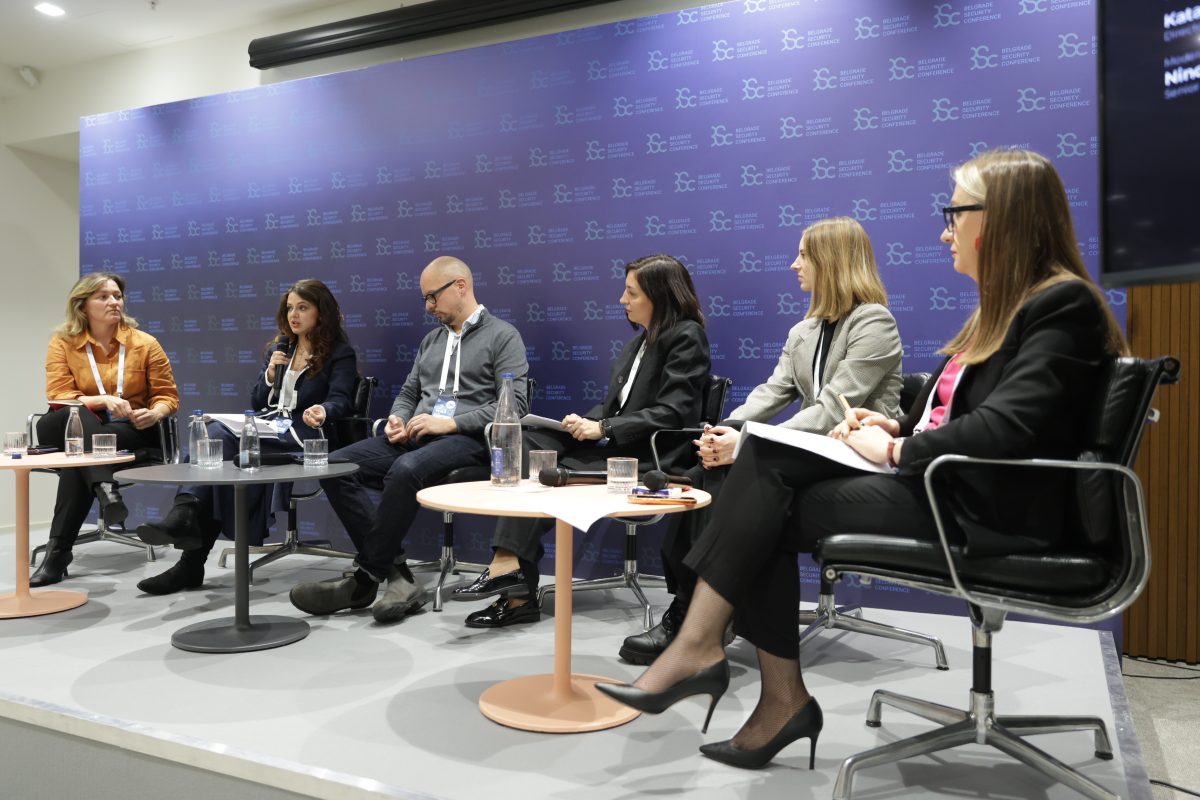
At the Belgrade Security Conference, panel moderator Nino Gogoladze opened the discussion titled “New Technologies for Peacebuilding and Human Rights Protection: Opportunities and Risks.” The session examined the dual-edged nature of artificial intelligence and digital technologies, exploring how they can serve as powerful tools for enhancing fundamental rights, conflict prevention and civic engagement, while simultaneously posing severe risks to privacy, data security and democratic institutions.
Panellists emphasised that the rapid proliferation of digital surveillance and automated tools often leads to reactive, fragmented governance rather than anticipatory safeguards. A central consensus emerged that technological adoption must not be driven by a blind pursuit of efficiency or state control; instead, robust legal frameworks, transparency and a people-centric approach must ensure that technology actively protects human rights rather than eroding them.
Carolina Hidea, Head of the OSCE Mission to Serbia, emphasised that while AI offers many opportunities for public participation and reconciliation, its responsible use requires reliable information, verifiable data, and strict protections for personal privacy.
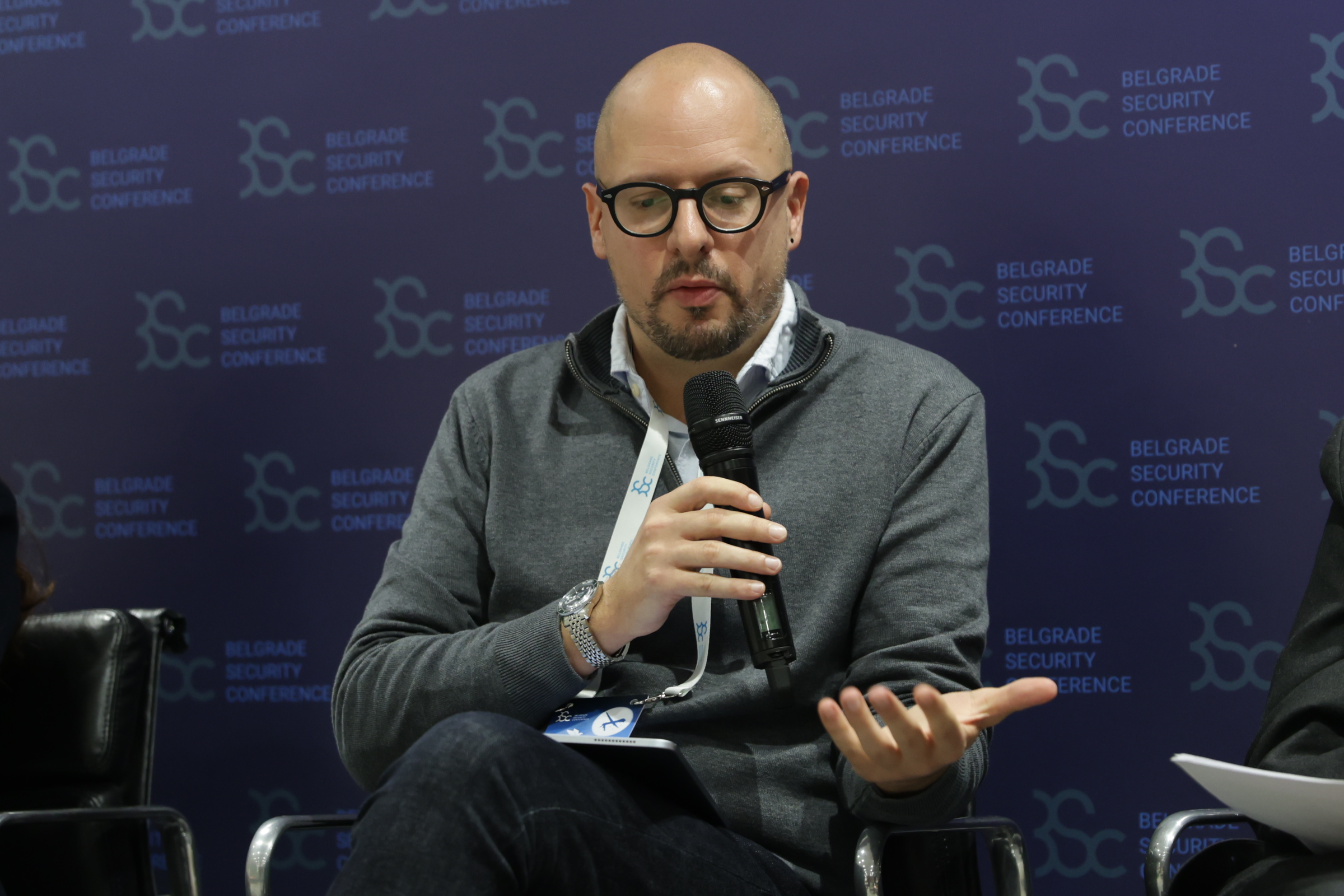
Dušan Pokuševski, Programme Director at the Belgrade Centre for Human Rights, addressed the ambivalent impact of digital technologies on civic freedoms in Serbia, noting that while tech can enhance expression, it has similarly been weaponised to stifle peaceful assembly and subject key political actors to unlawful digital surveillance. To counter these threats, Pokuševski outlined three essential pillars for the future: “Binding legal safeguards backed by independent judicial and institutional oversight… genuine accountability of the tech sector through great transparency… and media and informational literacy for citizens.”
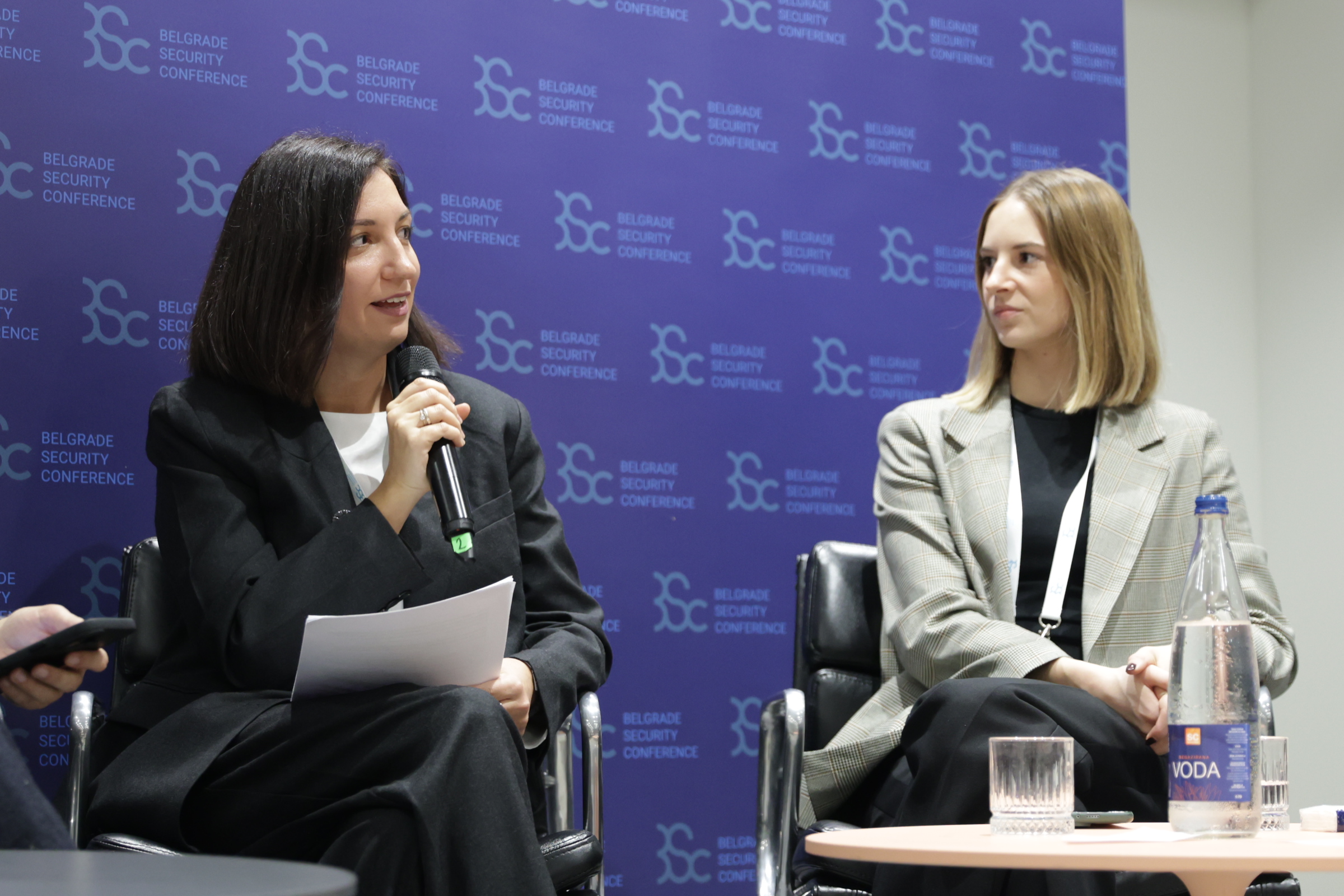
Katarina Bojović, Director of Digital Diplomacy at Diplo, criticised current global governance frameworks for being overly reactive and driven by an alarmist “existential threat” narrative rather than addressing existing, tangible risks like deepfakes and algorithmic bias. Highlighting the power asymmetries and lack of accountability in commercial AI models, Bojović advocated for bottom-up, retrieval-augmented generation (RAG) tools hosted locally by institutions: “We need to be in control of our tools. We need to curate the knowledge and ensure that we use an open-source platform that is hosted by our institution,” warning against the dangers of uncritical reliance on commercial models where sensitive data and staff chats are inevitably handed over to vendors.
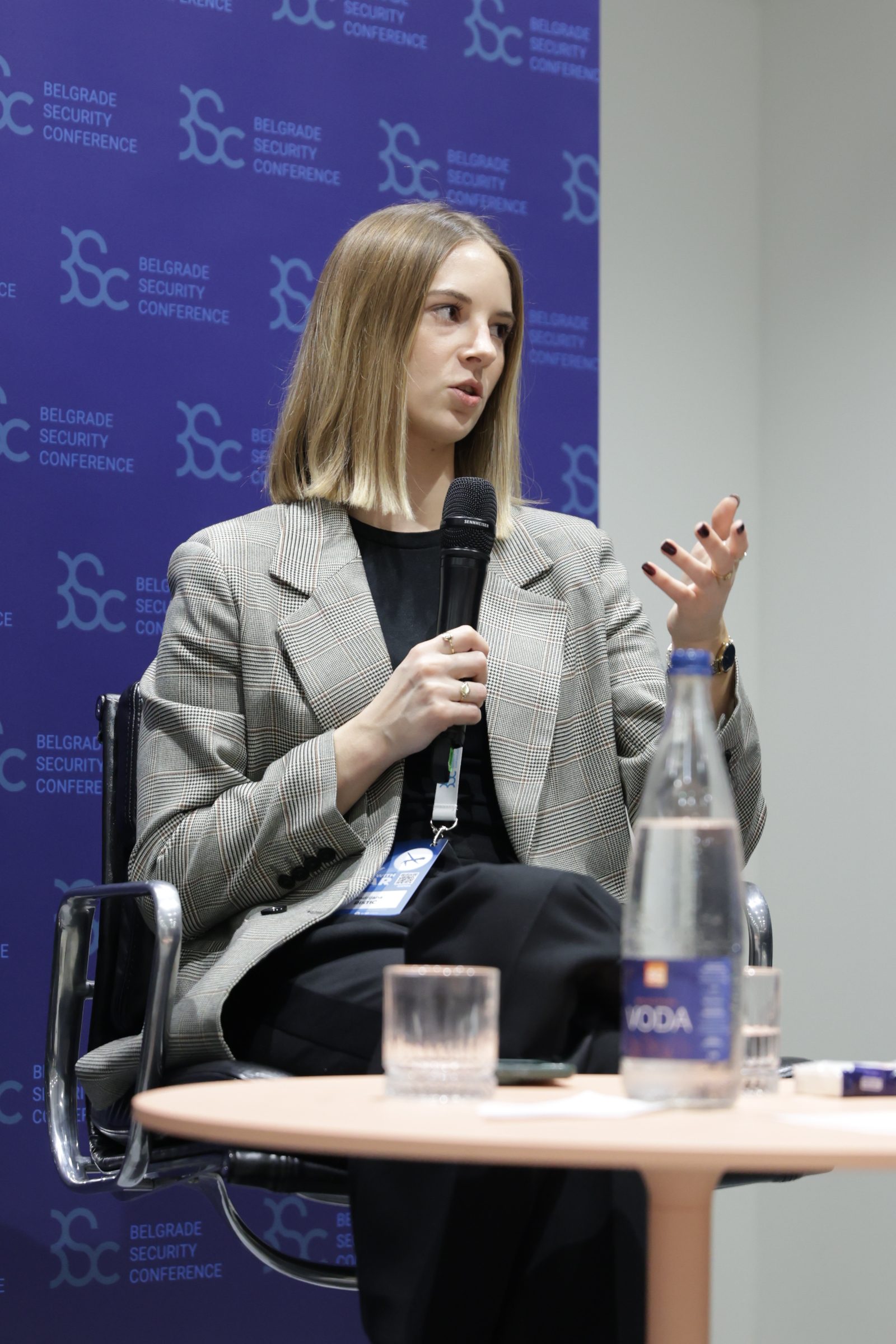
Andrijana Ristić, Policy Advisor at the SHARE Foundation, focused heavily on the growing risks of state-sponsored digital repression, pointing out the widespread, often illegal deployment of facial recognition cameras, social card algorithms and advanced commercial spyware in Serbia. Warning that technology is increasingly outpacing regulatory capacity, Ristić urged decision-makers to “slow down with this integration of AI without having a proper legal-technical framework… and put human rights at every corner of every decision.”
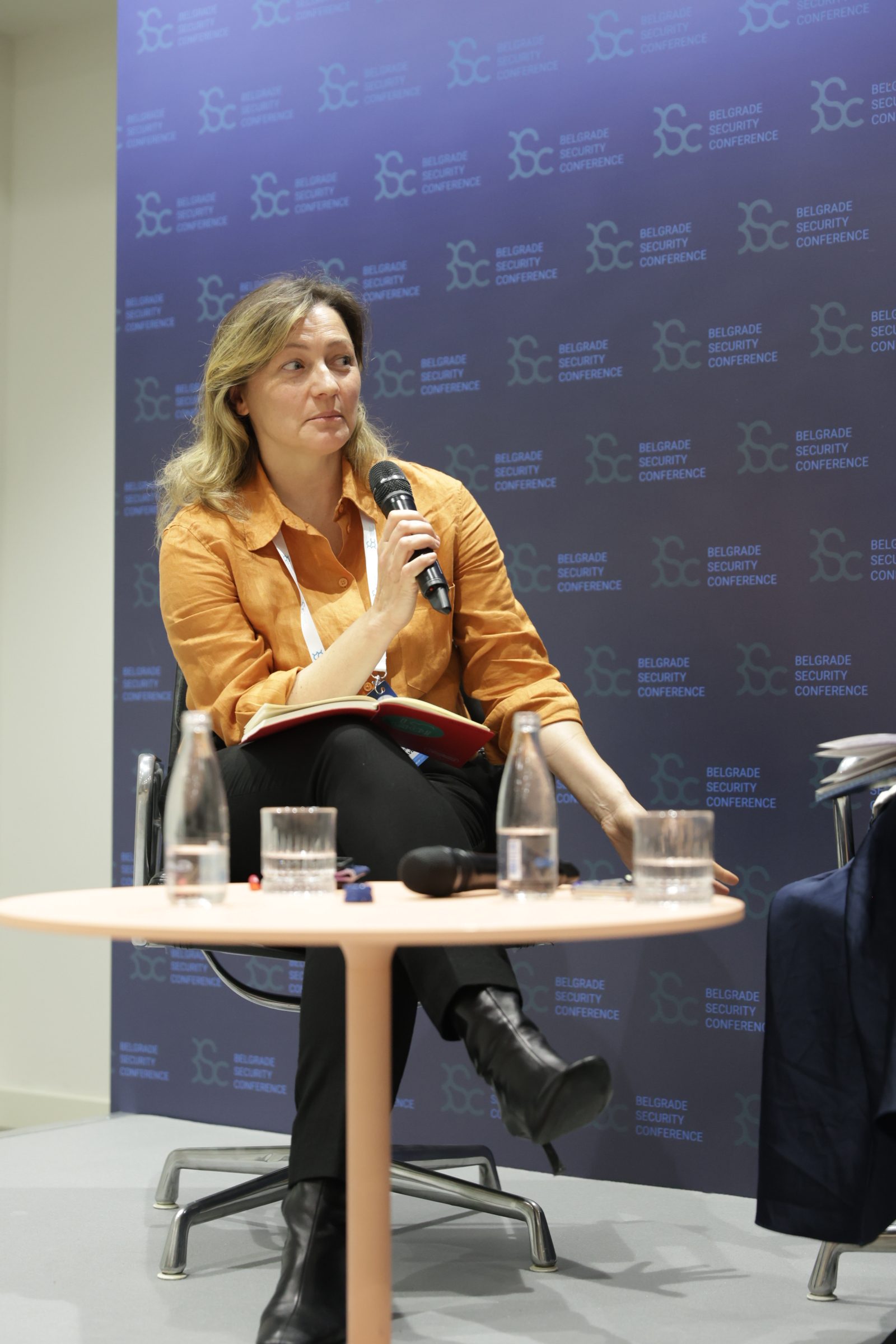
Representing the OSCE Dialogue Academy for Young Women, Jadranka Mašić Pavlović and alumna Elona Matosi demonstrated how civil society can proactively engage with new technologies rather than merely reacting to them. Through a capacity-building AI apprenticeship with Diplo, Dialogue Academy members developed customised internal AI assistants and a groundbreaking draft code of conduct for ethical AI use. Matosi underscored a vital lesson from their hands-on work: “AI adoption doesn’t start with choosing the tool, but rather with understanding people and their needs,” stressing the constant necessity to fact-check outputs, protect organisational data privacy against systemic biases and ensure we understand how these technologies work before blindly trusting them with our knowledge.
The discussion concluded with an engaging Q&A session concerning international conflicts, legal modernisation, and judicial accountability. Audience members raised pressing concerns regarding the military application of AI systems, such as automated targeting programmes deployed in Gaza, and the troubling lack of international transparency or accountability for civilian casualties. Additional discussions addressed the transformation of legal practice through specialised legal Large Language Models, alongside a warning from panellists about “cognitive recession” and the loss of critical thinking among professionals over-relying on automated shortcuts. Concluding the session, panellists stressed that society must shift from passive adaptation to active participation, ensuring that citizens and civil society retain control over digital tools to prevent sensitive information from being exploited by corporate and state actors.