

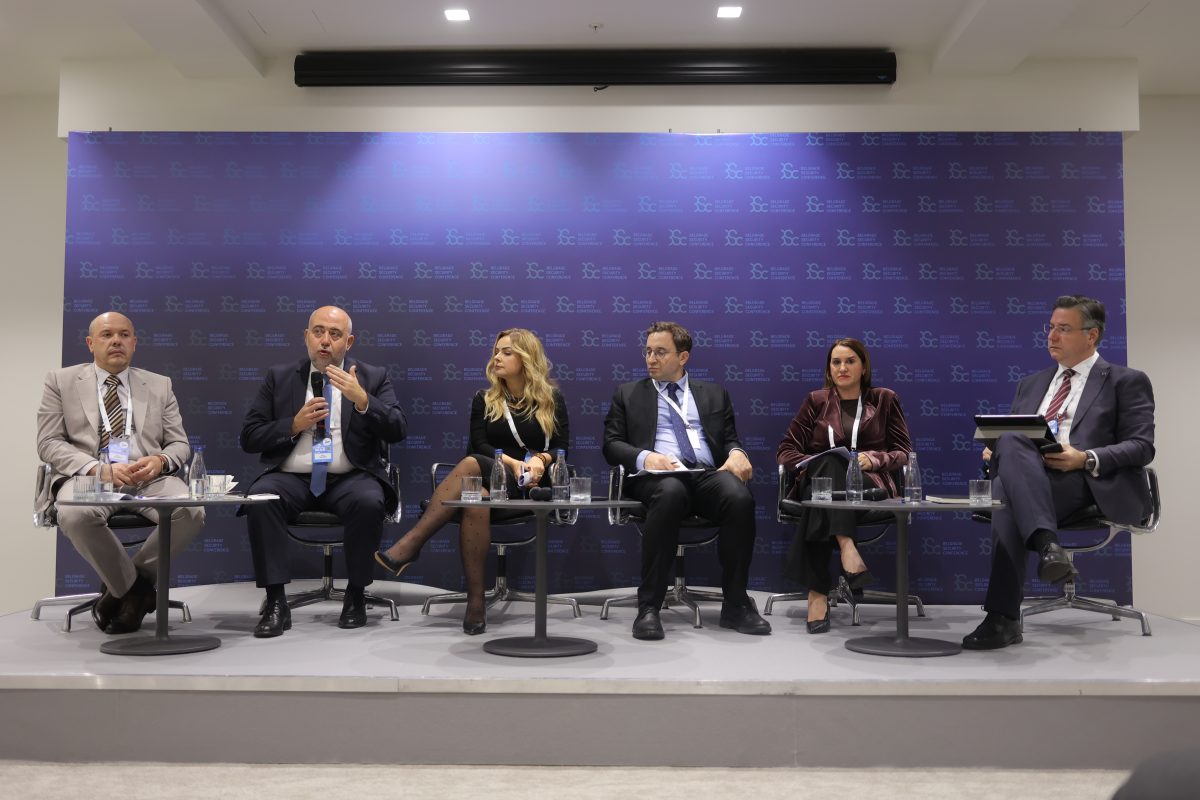
Despite a more positive perception of regional security, economic hardship, weak institutional trust and emigration remain major concerns for citizens across the Western Balkans, according to the Regional Cooperation Council’s (RCC) SecuriMeter 2026 report, presented at the Belgrade Security Conference on a panel moderated by Pavle Janković, Head of Political Department of the Regional Cooperation Council.
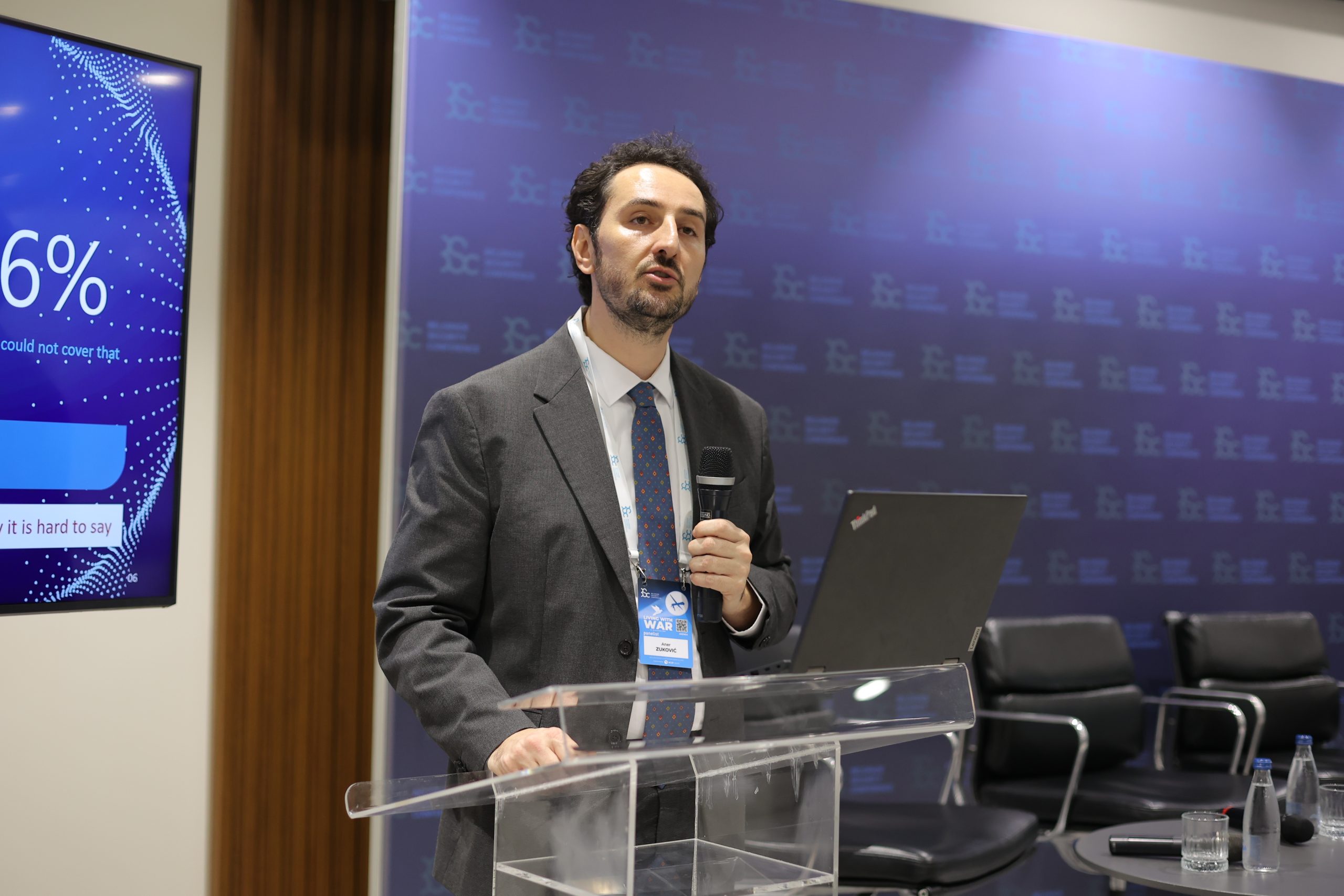
The survey results, conducted among 6,003 respondents across the six Western Balkan economies in September, and presented by Aner Zuković, Senior Security Advisor, Regional Cooperation Council, found that 57% consider their own country a secure place to live, compared with 49% last year. Perceptions of the region’s security also improved, rising from 38% to 49%. However, these figures coexist with widespread concerns about the future, particularly the possibility of conflict, the effects of international wars and economic instability.
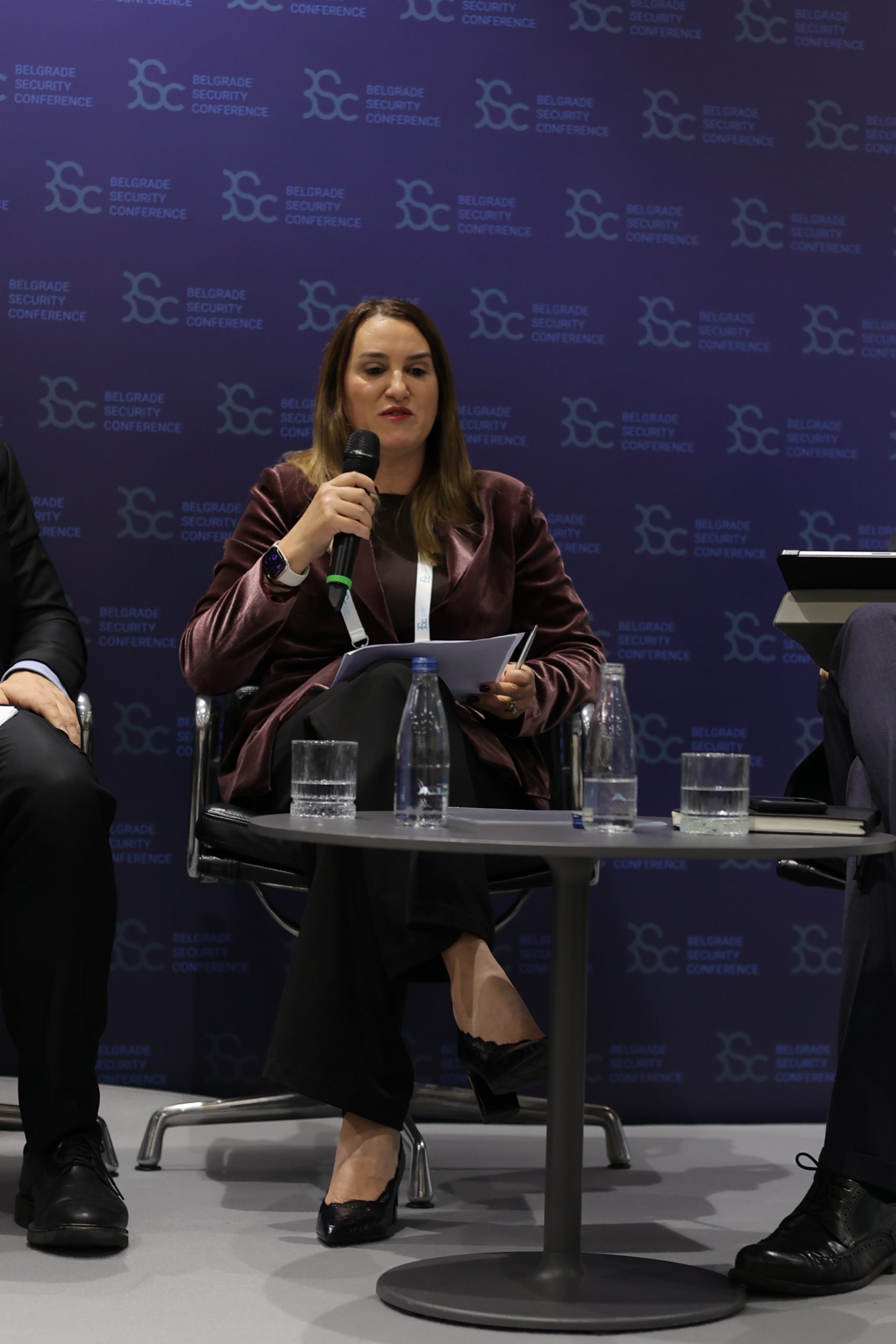
Financial pressures remain the most prominent source of concern, with 83% of respondents worried about the cost of living and inflation, followed by depopulation and emigration (78%), and employment opportunities and wages (73%). The survey also revealed that 29% are considering moving abroad, with this figure rising to 58% among respondents aged 18 to 24. Jorida Shytaj, Executive Director of Europe Plus, argued that these figures should also be understood as a reflection of young people’s uncertainty about their prospects in the region.
The findings also point to a significant gap between citizens’ expectations of democratic governance and their confidence in political institutions. While 88% consider equal application of the law very important, 52% believe public institutions do not treat people equally, regardless of social status, political views or ethnic background. Confidence in political parties stands at just 16%, compared with 25% for parliaments and 31% for governments. Daliborka Uljarević, Executive Director of the Centre for Civic Education, argued that institutions must become more predictable, accountable and transparent if they are to regain public confidence. “The problem is not that citizens expect too much from democracy. I think that the problem is that institutions fail to deliver the minimum of the democratic standards that the citizens of the region deserve,” she said.
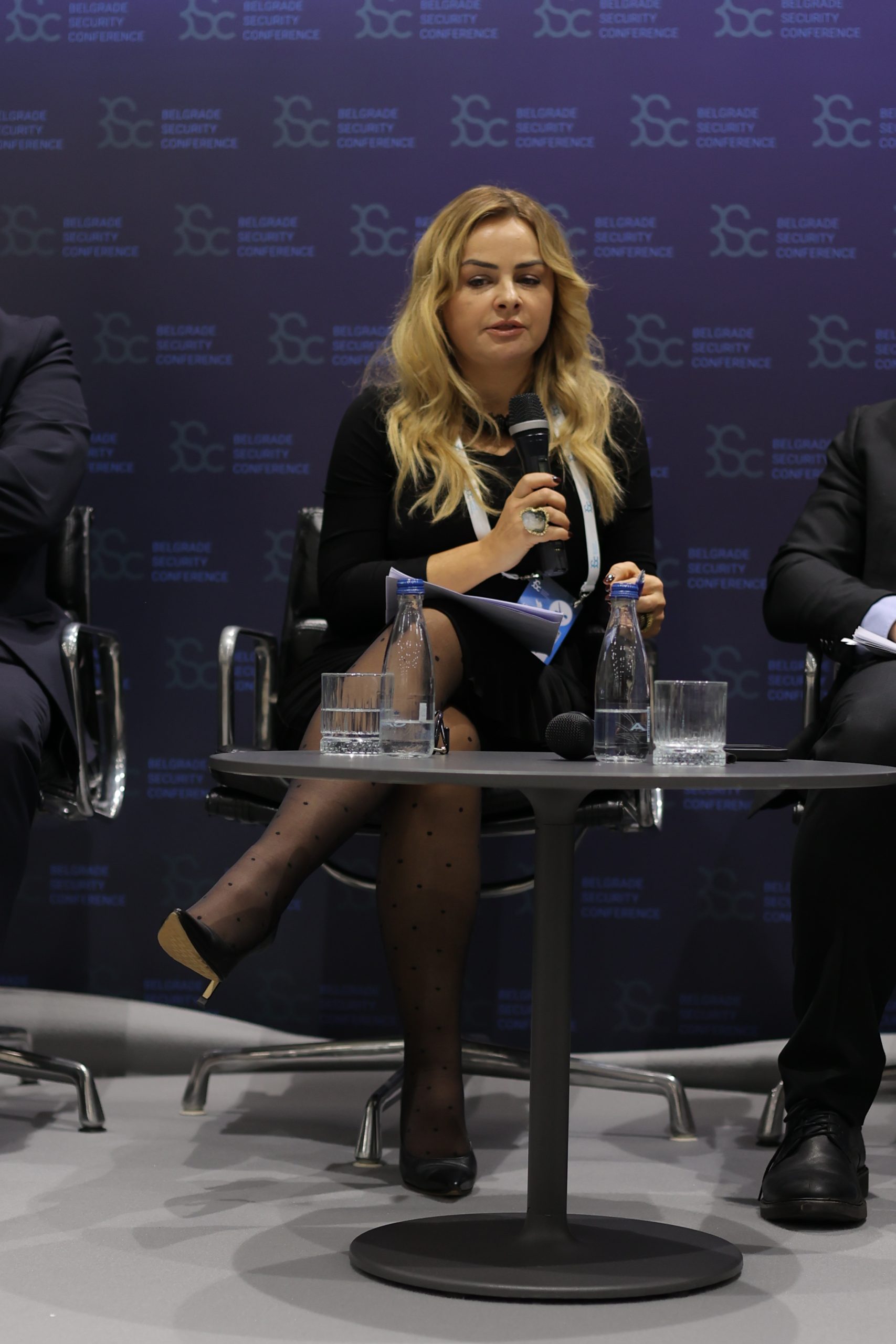
Speaking about the improved perception of regional security, Filip Ejdus, Professor of International Relations at the Faculty of Political Science, University of Belgrade, noted that the more positive assessment of regional security comes despite growing concerns about the consequences of the wars in Ukraine and the Middle East, as well as declining confidence in the EU and NATO. He offered several possible explanations, including an improved sense of personal security among citizens, greater satisfaction with police performance, and easing tensions in two regional flashpoints – Bosnia and Herzegovina, where the constitutional crisis of 2025 had subsided, and Kosovo, where elections and the reintegration of Kosovo Serbs into institutions contributed to an improved security situation. Ejdus also stressed that subjective perceptions of security are just as important as objective security conditions, and can sometimes be even more important.
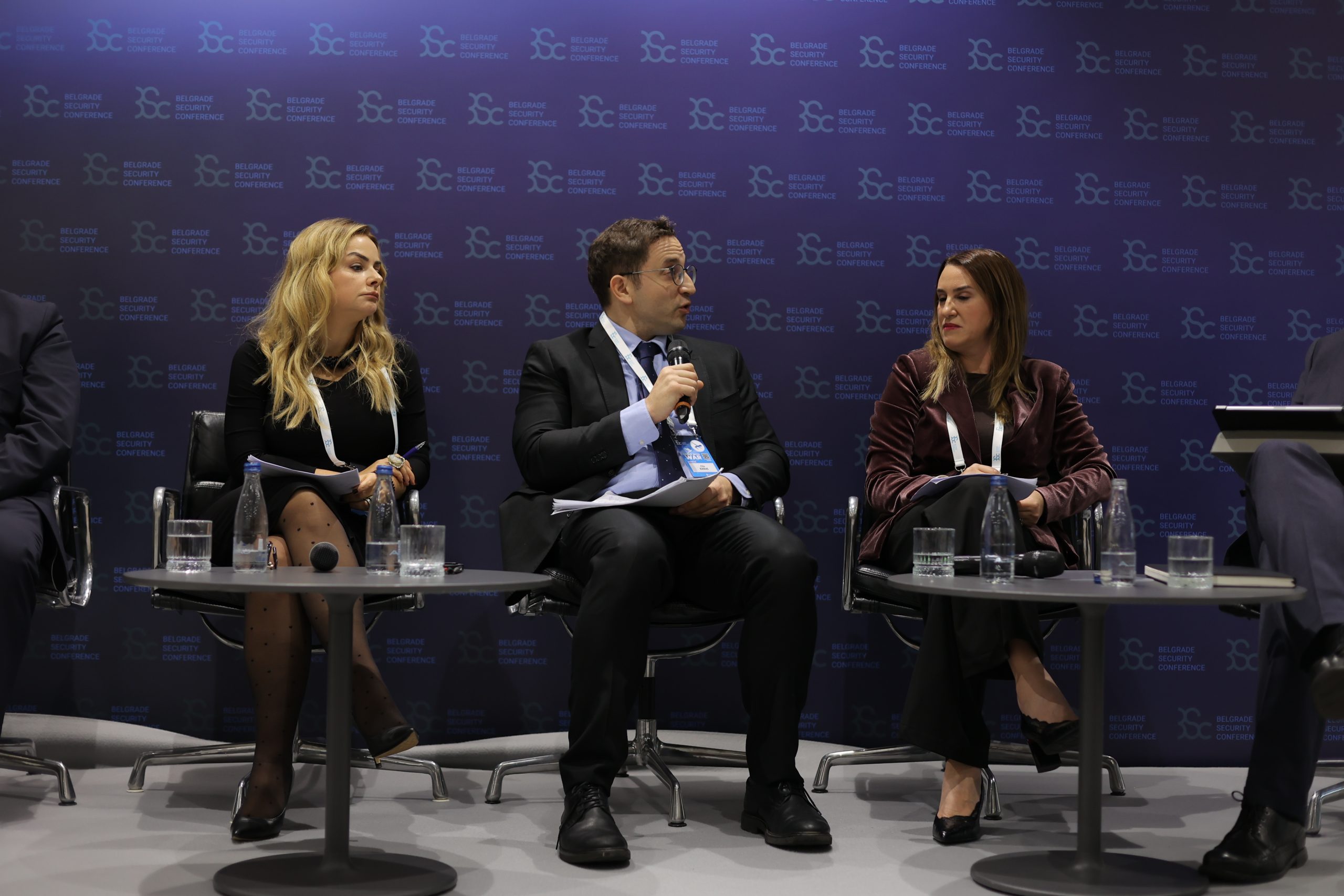
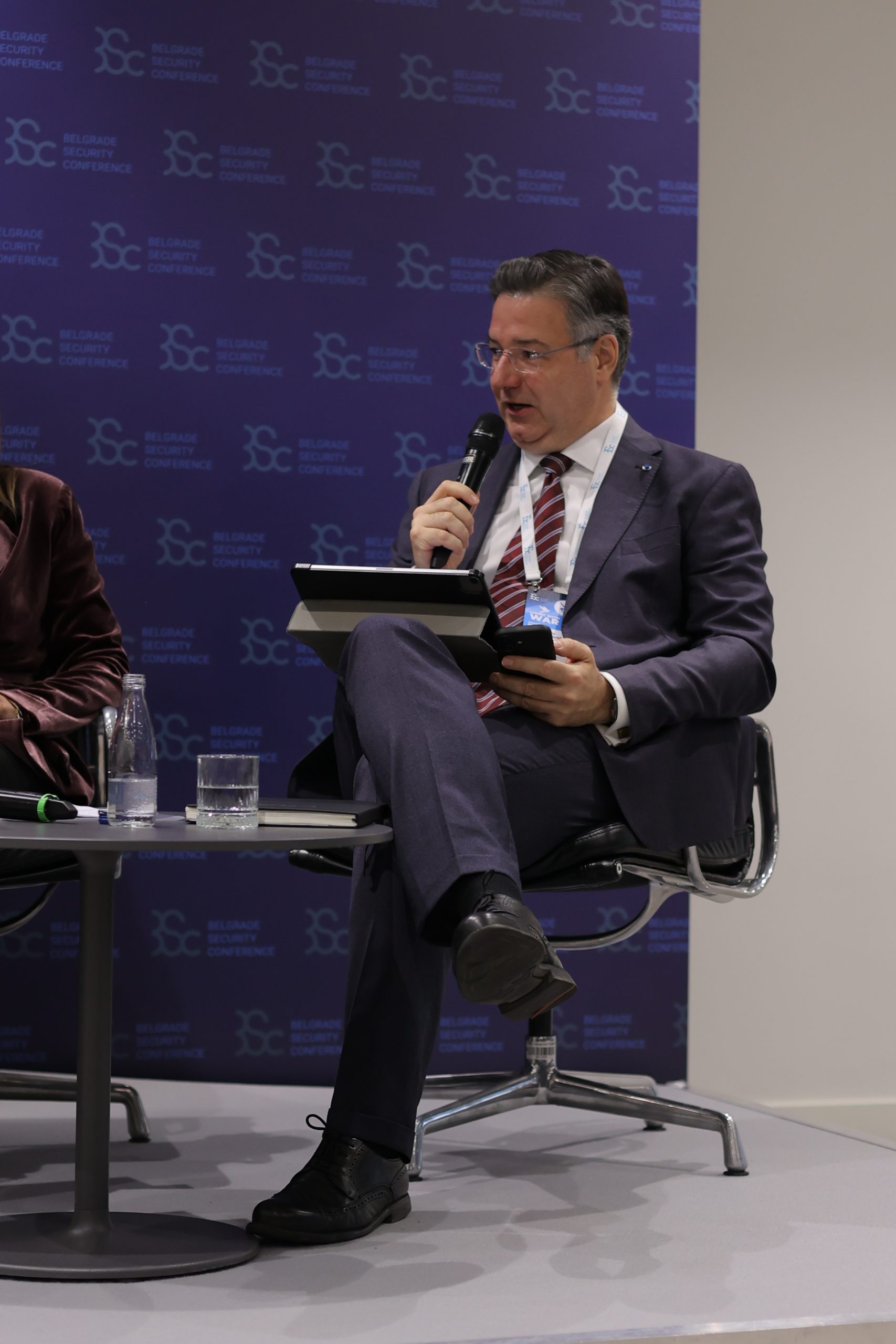
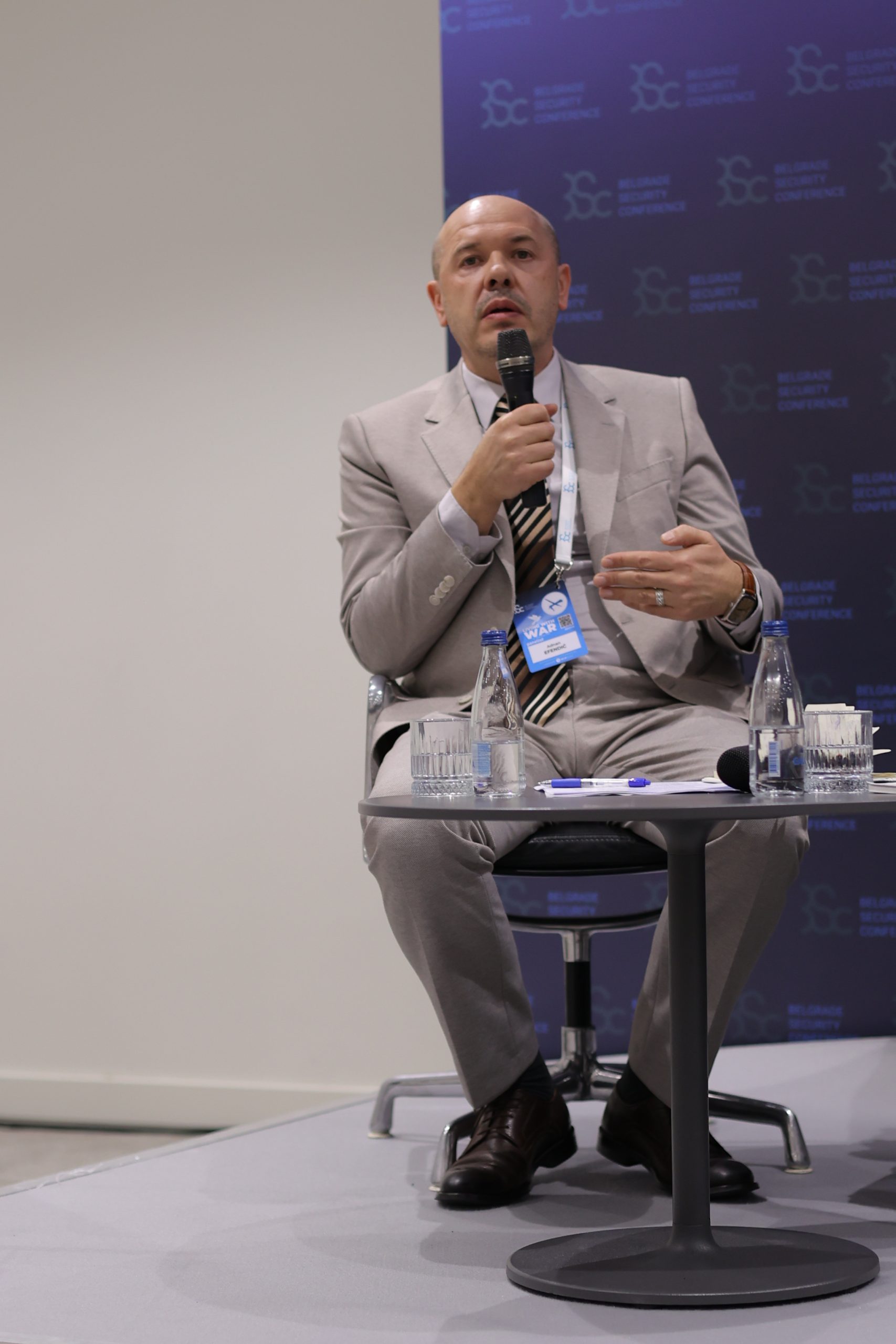
The panel also examined the relationship between institutional confidence, economic conditions and perceptions of safety. Adnan Efendić, Professor of Economics at the University of Sarajevo, presented the value of econometric models in identifying connections between different factors shaping individual security perceptions. Meanwhile, former North Macedonian Ambassador to NATO Dane Taleski discussed the influence of domestic political discourse and international engagement on public attitudes towards the EU and NATO. The survey found that 49% of respondents expressed confidence in the EU and 48% in NATO, with both figures slightly lower than in the previous edition.
Overall, SecuriMeter 2026 suggests that feeling safer does not necessarily mean feeling more secure about the future. Alongside regional security concerns, the findings point to the need for stronger public institutions, greater economic stability and renewed efforts to address the reasons driving young people to consider leaving the Western Balkans.