

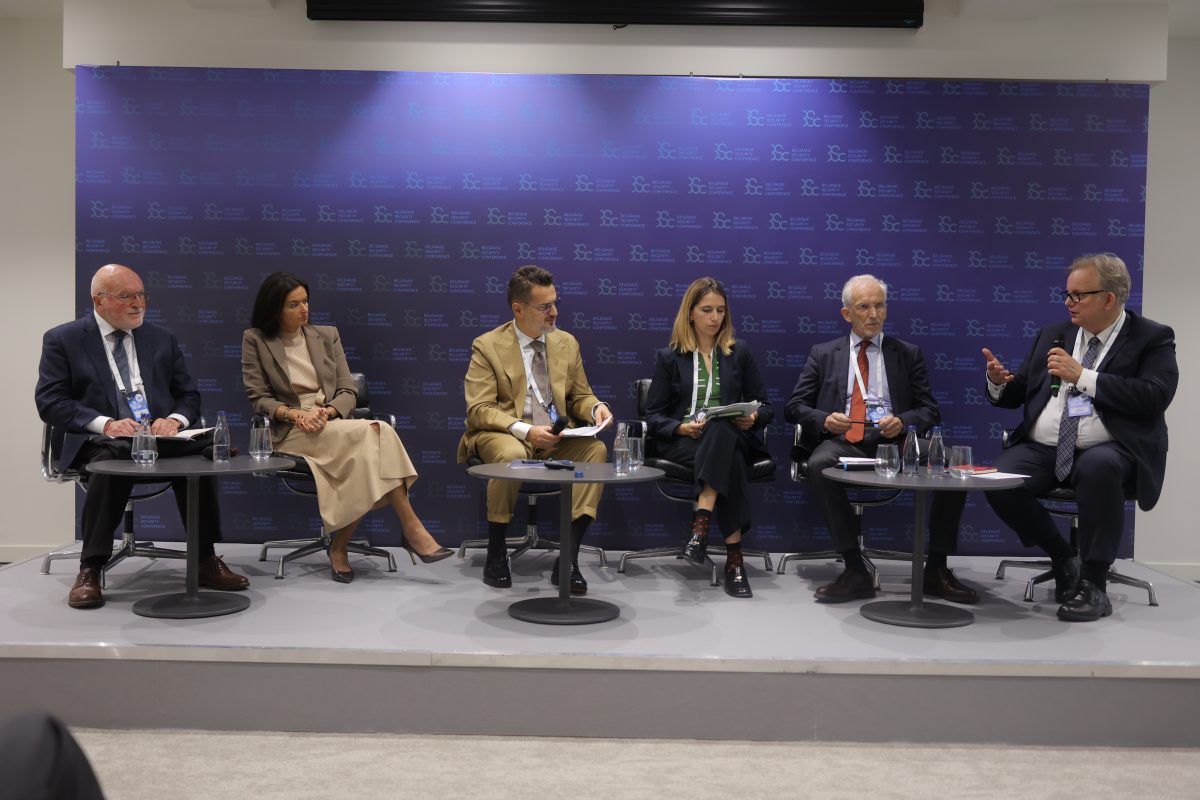
After more than two decades of discussions about the Western Balkans’ readiness to join the European Union, a different question is becoming increasingly important: is the EU itself ready for enlargement? This was the central question of a panel discussion at the Belgrade Security Conference, moderated by Andi Dobrushi, Director of the Open Society Foundations Western Balkans.
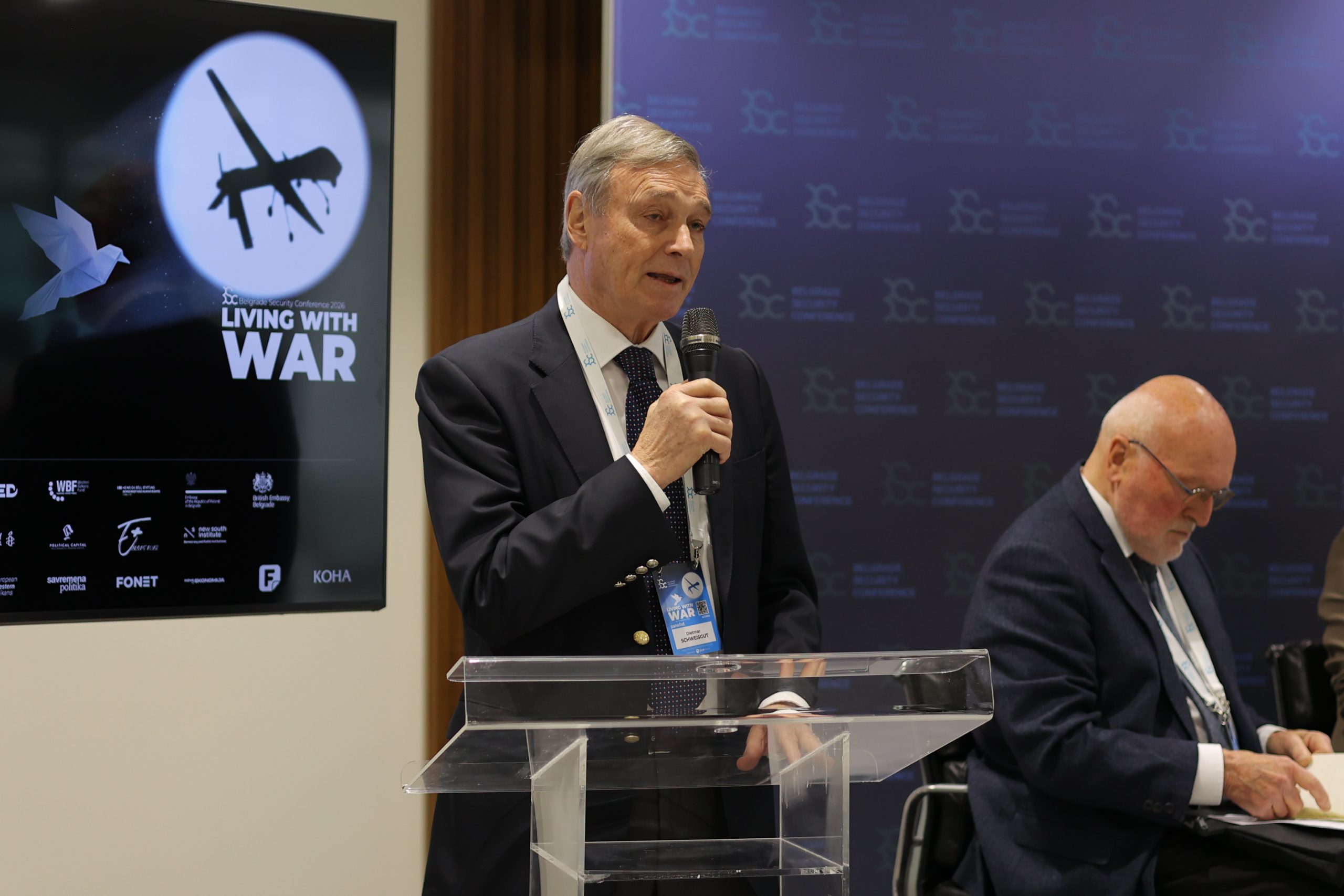
The discussion opened with remarks by Dietmar Schweisgut, Secretary General of the Austro-French Centre for Rapprochement in Europe and former Head of the EU Delegation to Japan and China. He stressed the importance of bridging debates in Brussels and the Western Balkans, noting that misunderstandings often arise from their different historical, economic and political perspectives on enlargement. The panel sought to explore these differences and identify possible ways forward. While participants agreed on the geopolitical importance of enlargement, they also highlighted persistent political disagreements within the EU, the use of veto powers and limited public support as major obstacles to the process.
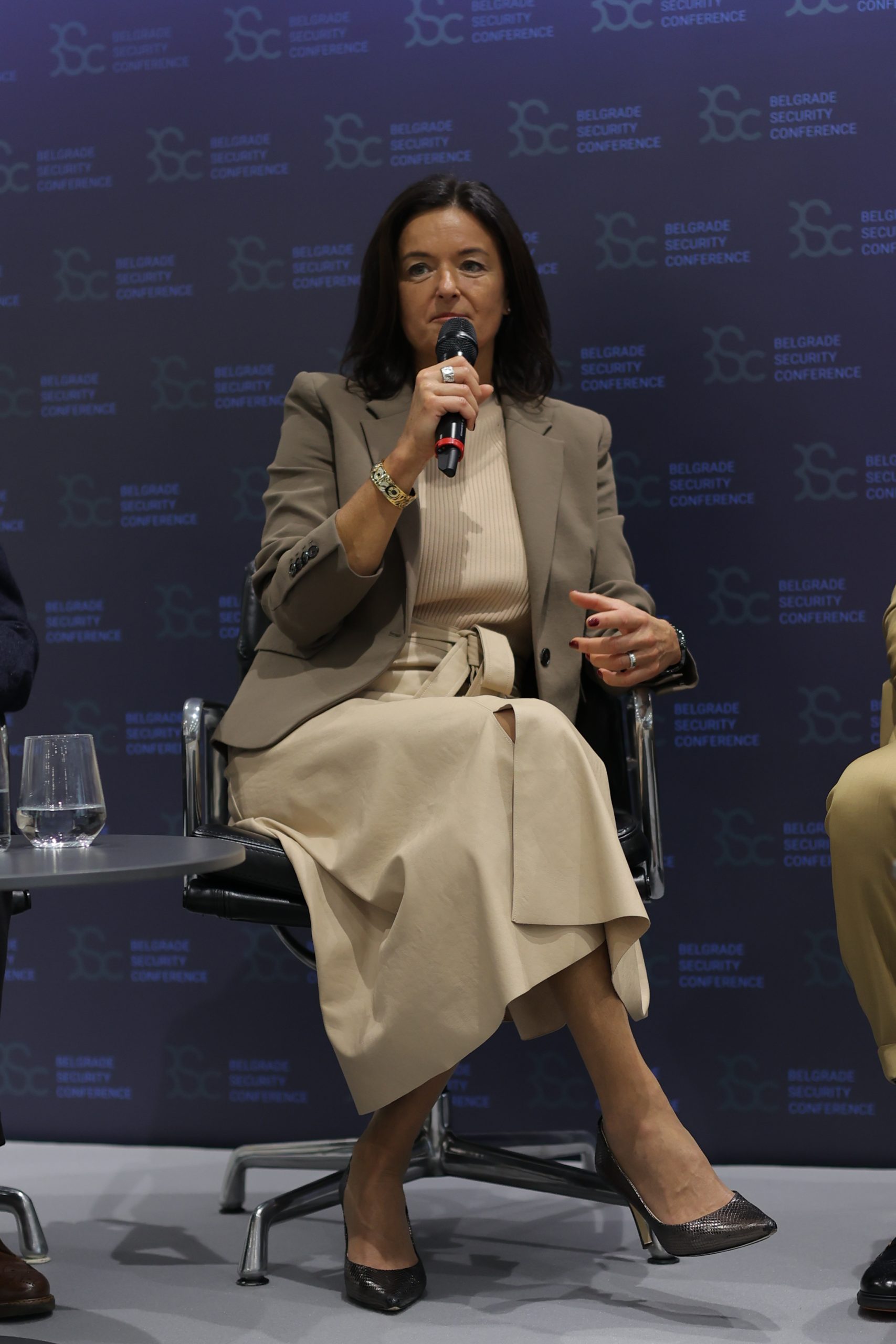
Tanja Fajon, former Deputy Prime Minister and Minister of Foreign and European Affairs of Slovenia, argued that enlargement is a geostrategic necessity and that the EU cannot afford to miss the current opportunity. Asked about the obstacles to introducing qualified majority voting at certain stages of accession negotiations, she argued that it could prevent bilateral disputes from repeatedly blocking progress. She acknowledged, however, that member states had yet to reach a consensus on the proposal. She also stressed that candidate countries must continue implementing reforms, while EU member states need to prepare their own societies for enlargement.
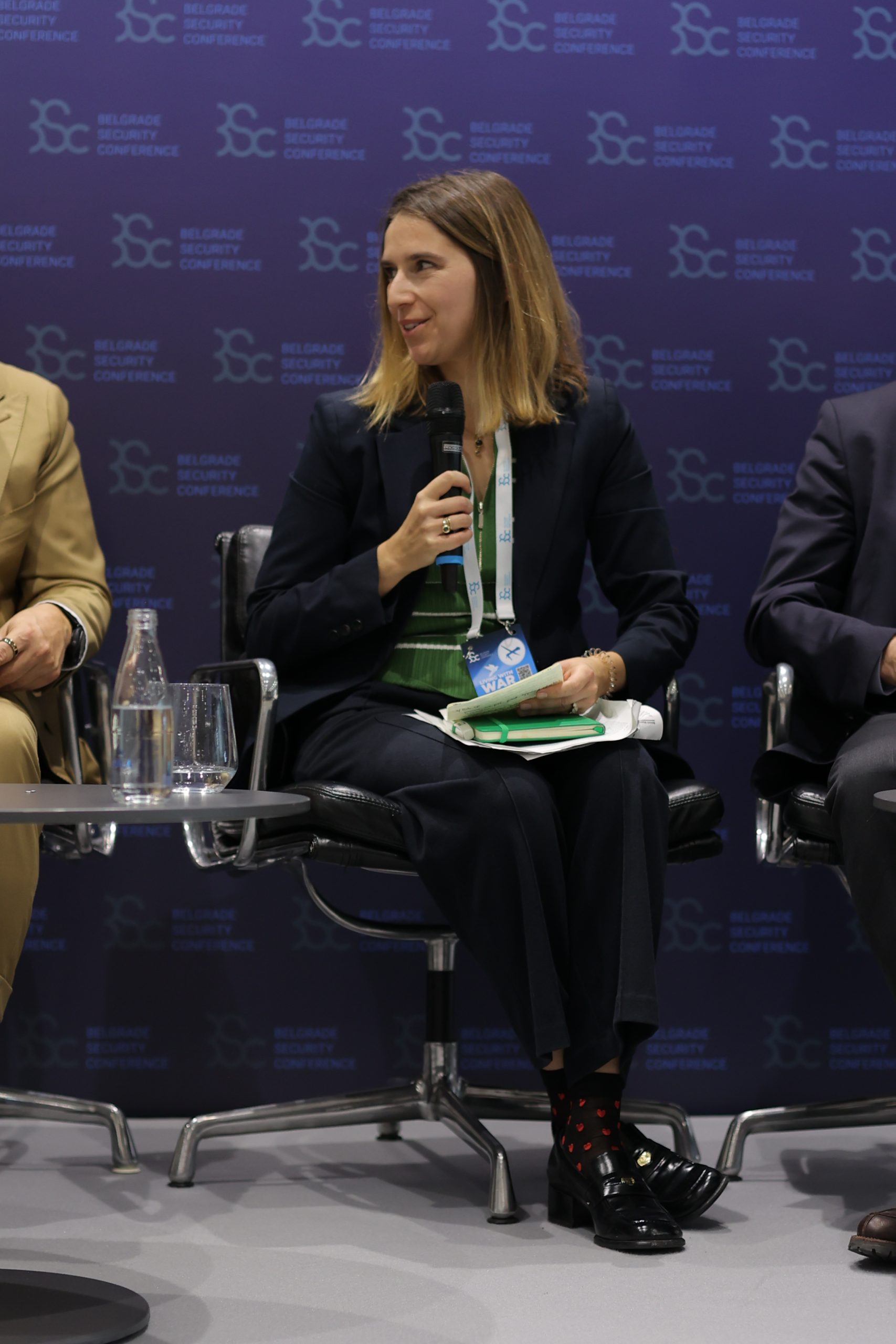
Adélaide Dewavrin, Head of Mission at the External Relations Department of the Directorate for the EU at the French Ministry for Europe and Foreign Affairs, similarly stressed that geopolitical urgency should serve to accelerate reforms, not replace them. Addressing concerns about public support, particularly in France, she emphasised that citizens need to understand the tangible benefits of enlargement and see concrete results from reforms in candidate countries.
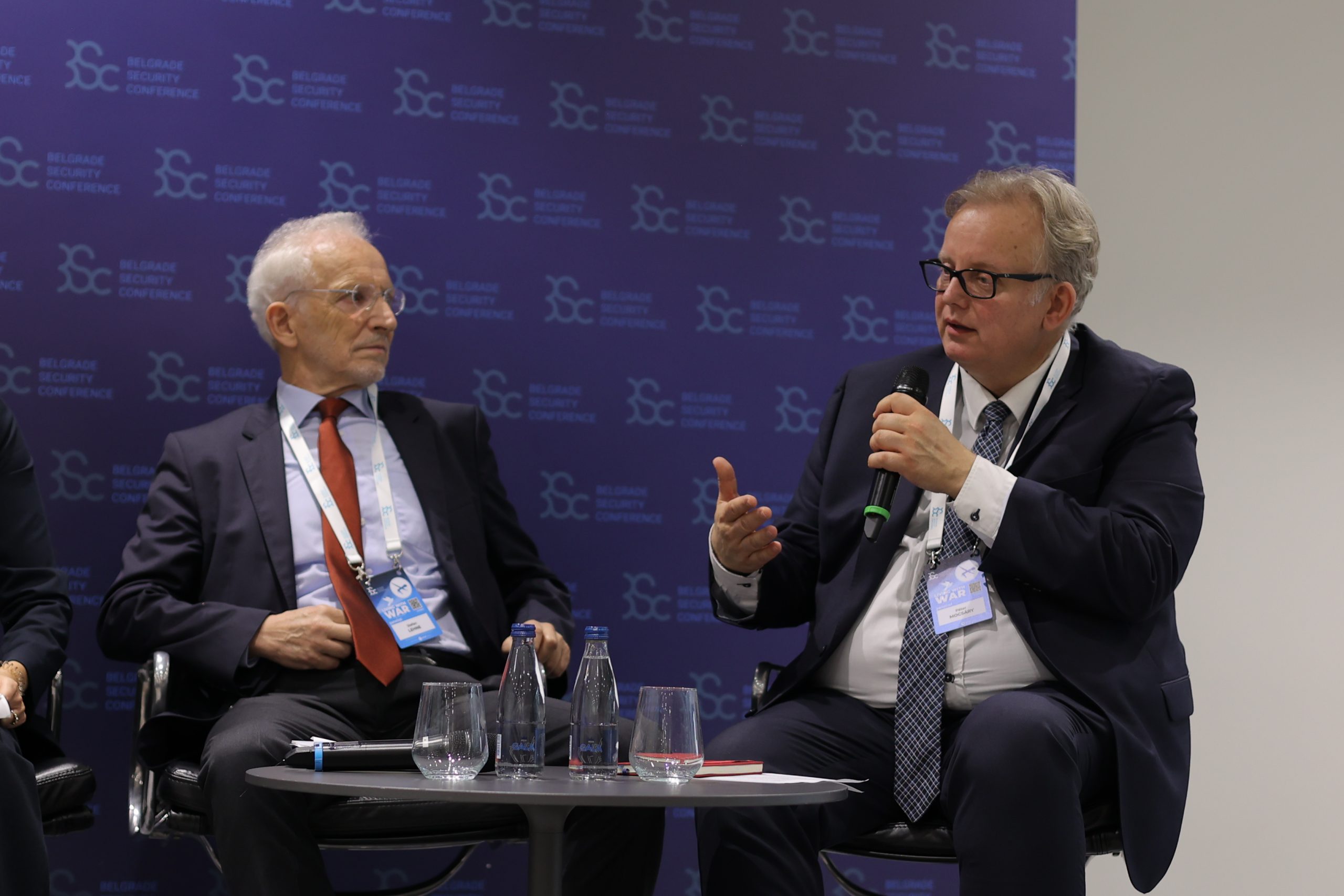
The problem of vetoes and political blockages was raised by Péter Mocsáry, Adviser to the Hungarian Minister of Foreign Affairs. He argued that the numerous opportunities for member states to block different stages of accession make the process unnecessarily complicated. Referring to Serbia’s negotiations, he noted that some positions had remained blocked in the Council for six or seven years. He called for ways to accelerate integration and emphasised regional cooperation and the exchange of institutional experience as important tools in preparing candidate countries for membership.
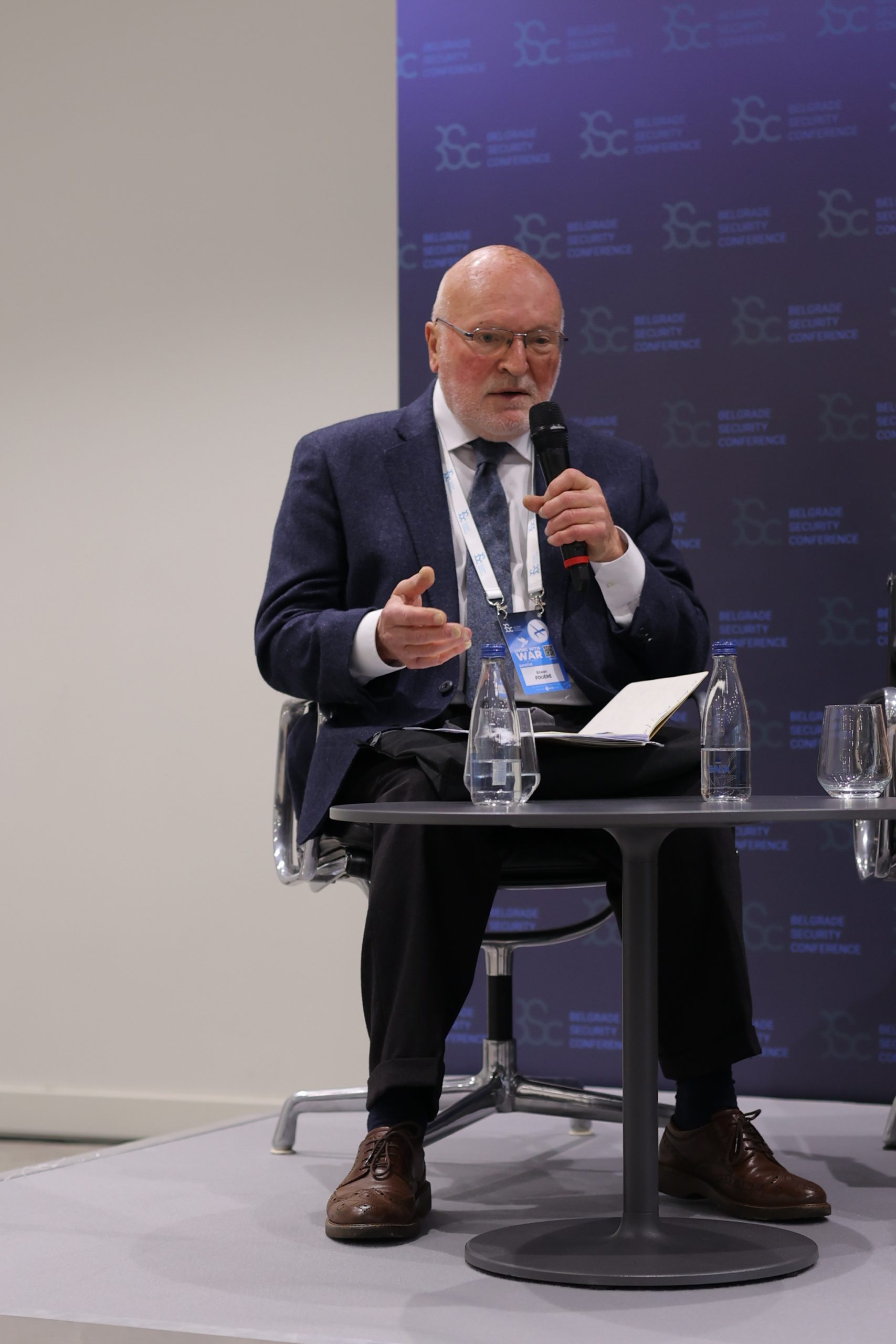
Erwan Fouéré, Associate Senior Research Fellow at the Centre for European Policy Studies (CEPS) and former EU Special Representative and Head of Delegation in North Macedonia, addressed the impact of bilateral disputes on enlargement. Responding to the question of where legitimate accession conditions end and political demands begin, he criticised the use of veto power to impose national interpretations of history on candidate countries, particularly in the dispute between Bulgaria and North Macedonia. He argued that different historical narratives should be acknowledged and that bilateral disagreements should not determine the future of EU enlargement.
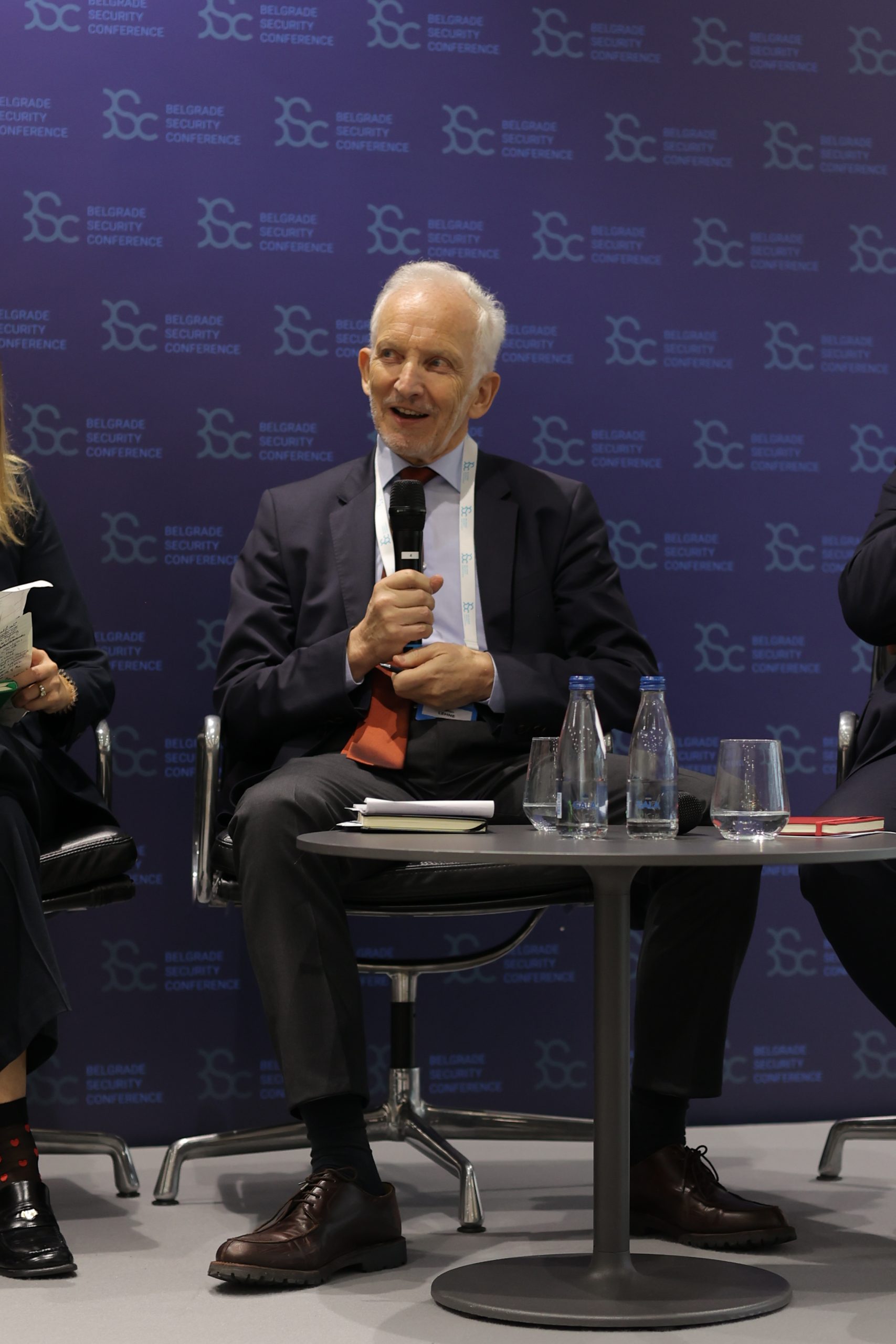
Stefan Lehne, Senior Fellow at Carnegie Europe, addressed the question of whether new member states could face different conditions from those that joined the EU in previous enlargements. He questioned the proposed safeguards under which new members could lose certain voting rights for up to 15 years if they violate EU values, warning that such measures could create a sense of second-class membership. Asked whether Montenegro could join the EU by 2028 under the current treaties, he acknowledged the country’s accelerated reform efforts. However, he questioned whether its accession, followed by years without further enlargement, would be enough to demonstrate that the process was genuinely moving forward. He also highlighted Ukraine’s European perspective as an important part of the EU’s wider security considerations.
The discussion returned to the central question: is the EU ready to welcome the Western Balkans? Participants stressed that enlargement requires not only continued reforms in candidate countries but also political commitment from EU member states, including overcoming bilateral disputes and building public support. The key question is therefore whether the EU is ready to turn its commitment to enlargement into reality.