

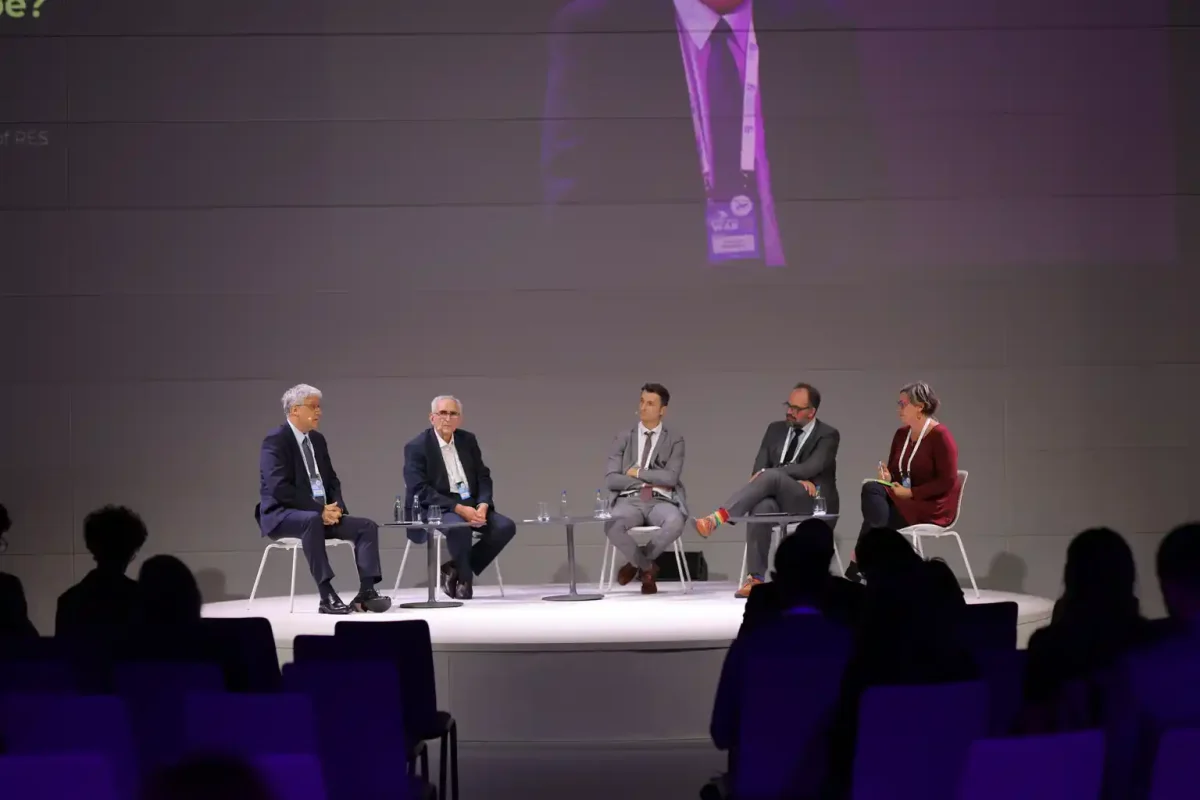
The final panel, concluding the second day of BSC 2026, focused on the immediate challenges facing the energy sector in Southeast Europe and its future prospects, with particular attention to the Serbian grid. The discussion highlighted a central dilemma: how Serbia can address its immediate energy security challenges while pursuing a long-term transition towards sustainable energy sources. Moderated by Tanja Popovicki, Director of Operations at the Platform for Energy Transition, the panel brought together experts who broadly agreed on the need for reform and greater investment. However, they differed on the feasibility of potential solutions and the extent to which the transition would depend on EU support.
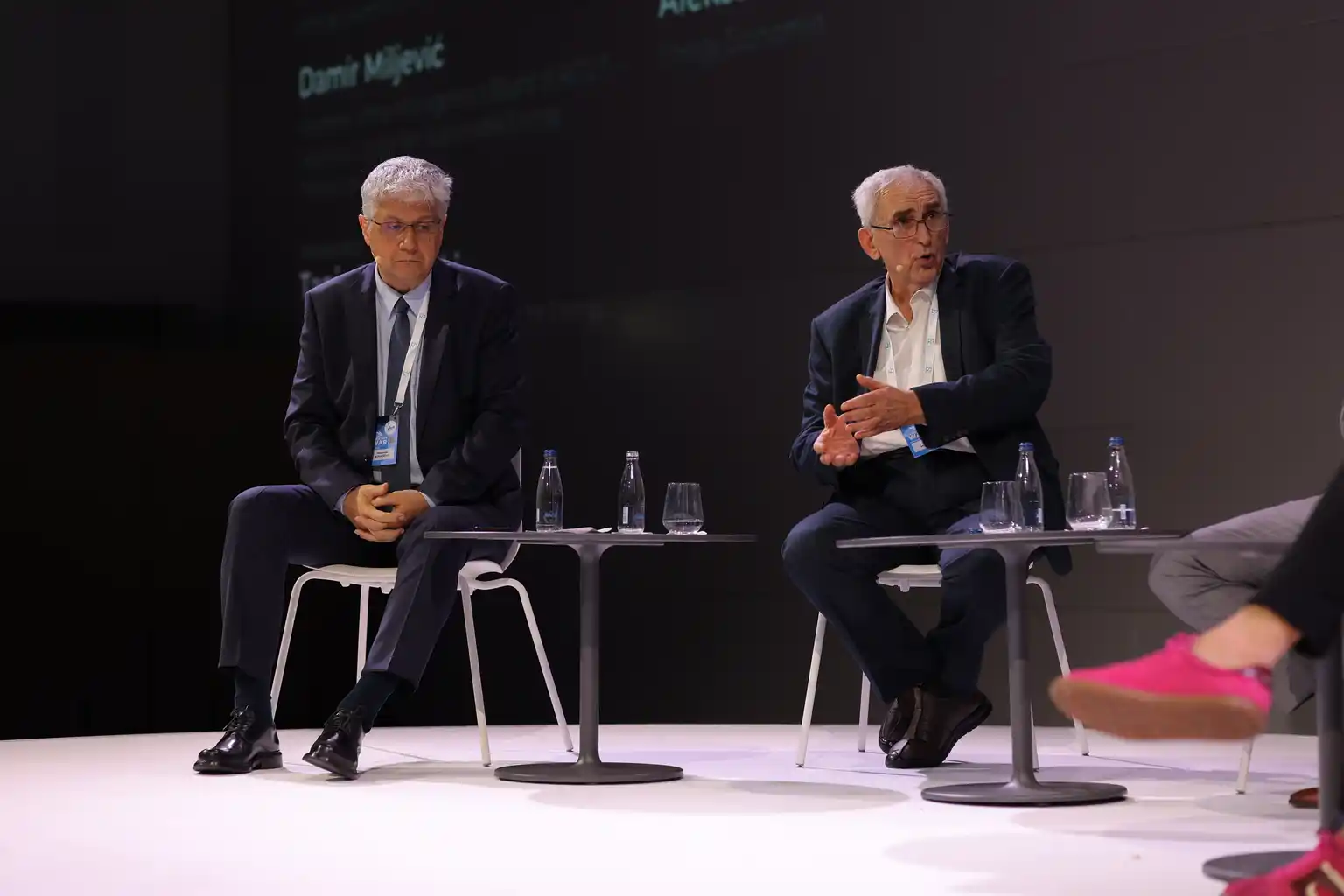
Aleksandar Kovačević, an energy economist, expressed concern about Serbia’s limited options for addressing its immediate energy challenges. He predicted that this winter would bring a worsening of energy poverty and a significant financial drain on public funds to keep the grid operational unless new policies were introduced. Also, he argued that the necessary changes to Serbia’s energy policy would require cooperation with the EU and substantial investment from either European or Russian sources to finance the necessary upgrades to the national grid. However, he stressed that fuel prices and tackling energy poverty should remain immediate priorities in the short term.

Aleksandar Macura, Co-founder and Programme Director of the RES Foundation, shared this concern, stressing that the incoming government should make protecting vulnerable groups a priority as it seeks to deal with Serbia’s energy challenges this winter. At the same time, Macura expressed cautious optimism that a new government could provide an opportunity to reform the regulation and governance of its energy grid. He argued that it could review and redirect public spending towards the necessary upgrades to the national grid. It could also formulate a comprehensive national development plan, including a vision for the energy grid, something that Serbia currently lacks.
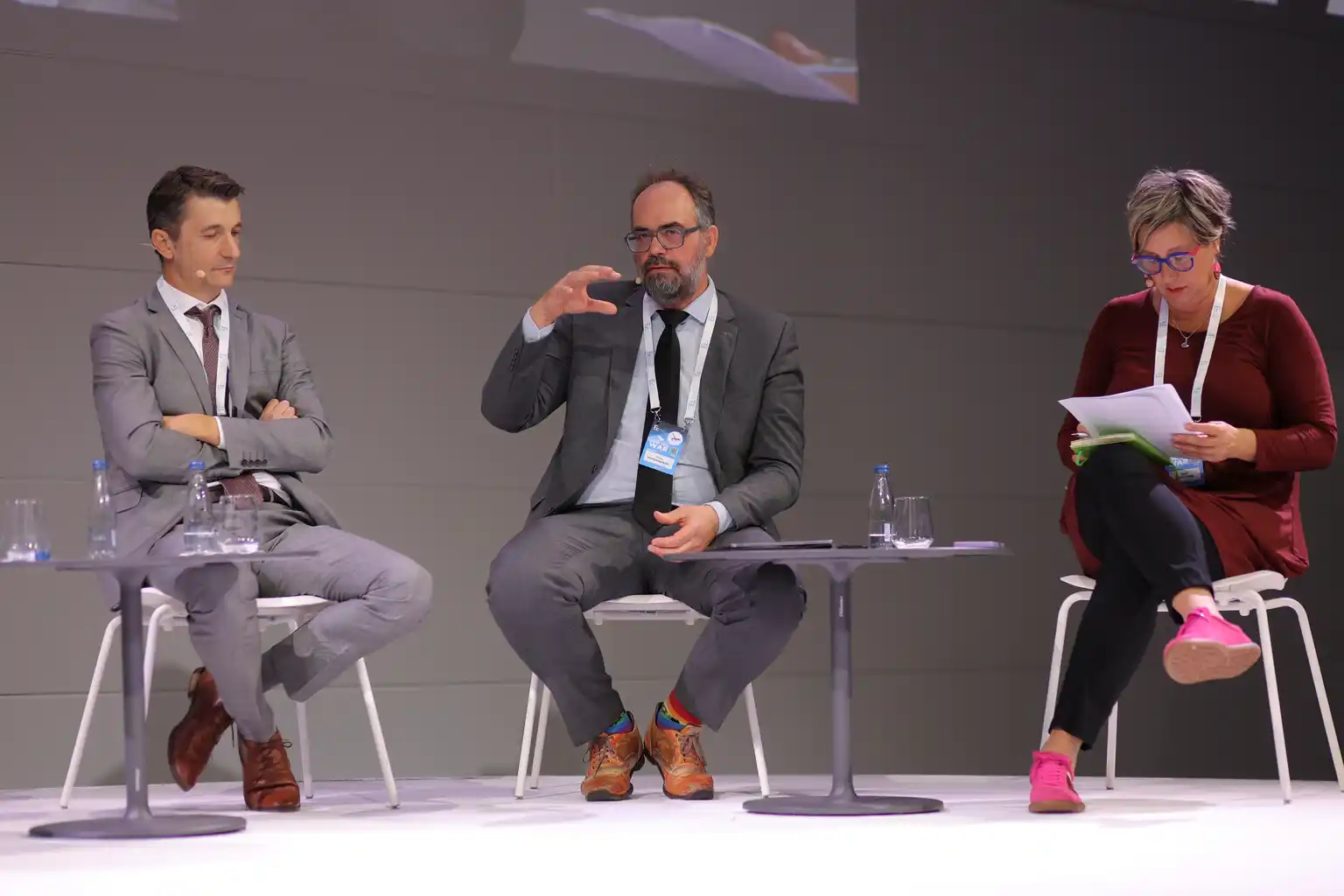
Philip Hiersemenzel, clean energy advisor, analyst and author, and coordinator of the German Green Party’s energy experts committee, argued that the current challenges presented an opportunity for substantial investment in sustainable energy sources. He maintained that, with the right investment, Serbia and the Western Balkans in general were well positioned to become a hub for cheap power in Europe. Stressing the low cost and high efficiency of modern renewables, he argued that Serbia could follow in the footsteps of countries like Portugal, which have used renewables to drive electrification and reindustrialisation.
Damir Miljević, Member of the Management Board of RESET – Regional Center for Sustainable Energy Transition, expressed similar optimism about the potential benefits of renewable energy sources, stressing their ability to strengthen energy security through increased domestic production. Investment in renewables could therefore help shift the region from dependence on external suppliers towards a model based on greater energy autonomy. He also noted, however, that achieving these changes would require the EU to adopt a revised energy policy towards the region, one guided by the region’s needs rather than EU demands.