

2031 an EU’s Enlargement Odyssey
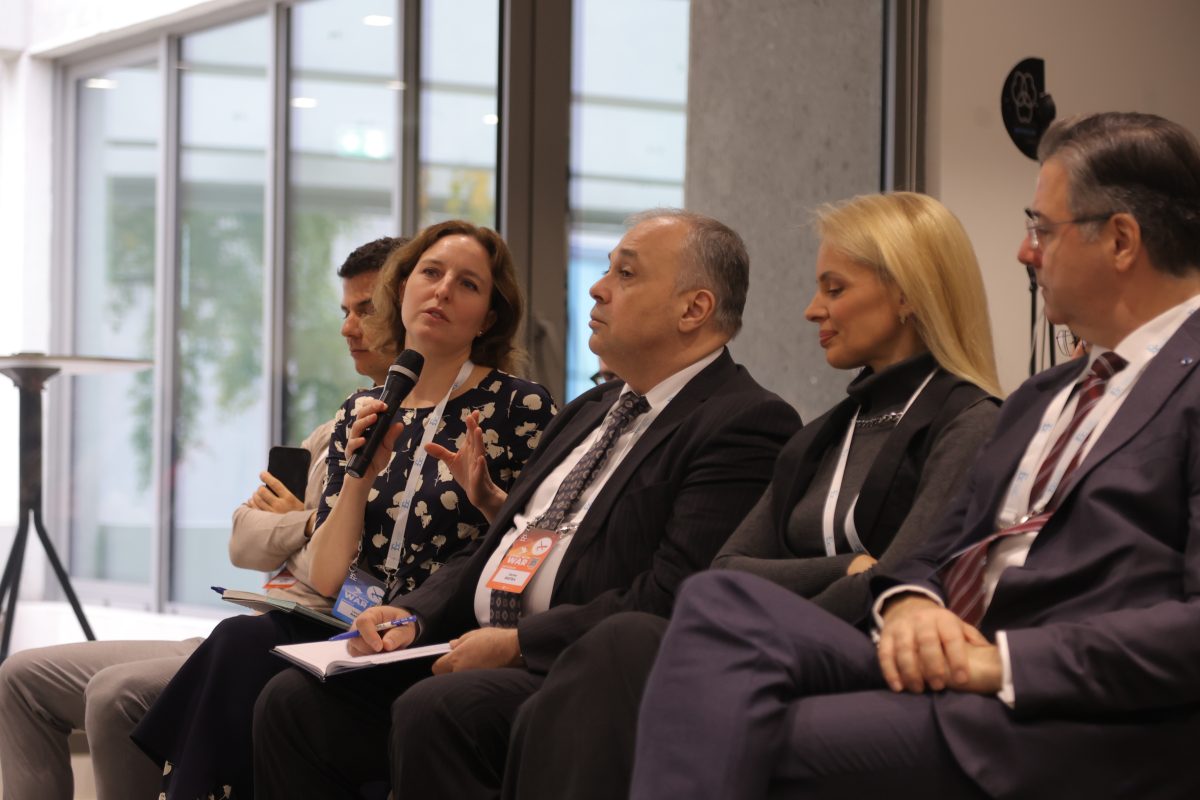
The panel named ”2031: an EU’s Enlargement Odyssey” focused on the future of EU enlargement, looking towards the year 2031 and the future of the Odyssey-like candidate process that many Western Balkan countries and other candidate countries have.
The panellists and moderator, who are involved in a 2-year research project named GEO-POWER-EU, focused on the enlargement process and possible scenarios towards the year 2031, and took the opportunity to present their results and methodology. The panel was also focused on the panellists’ policy proposal advocating for a gradual institutional change in decision-making in the EU in relation to the enlargement process. The end note that united the panellists was the need to focus on the goals of the newly elected government in Serbia, rather than the pressure to define its foreign policy, as democratisation, state liberalisation, and fighting corruption are the steps needed to bring Serbia back on its EU path, looking towards 2031.
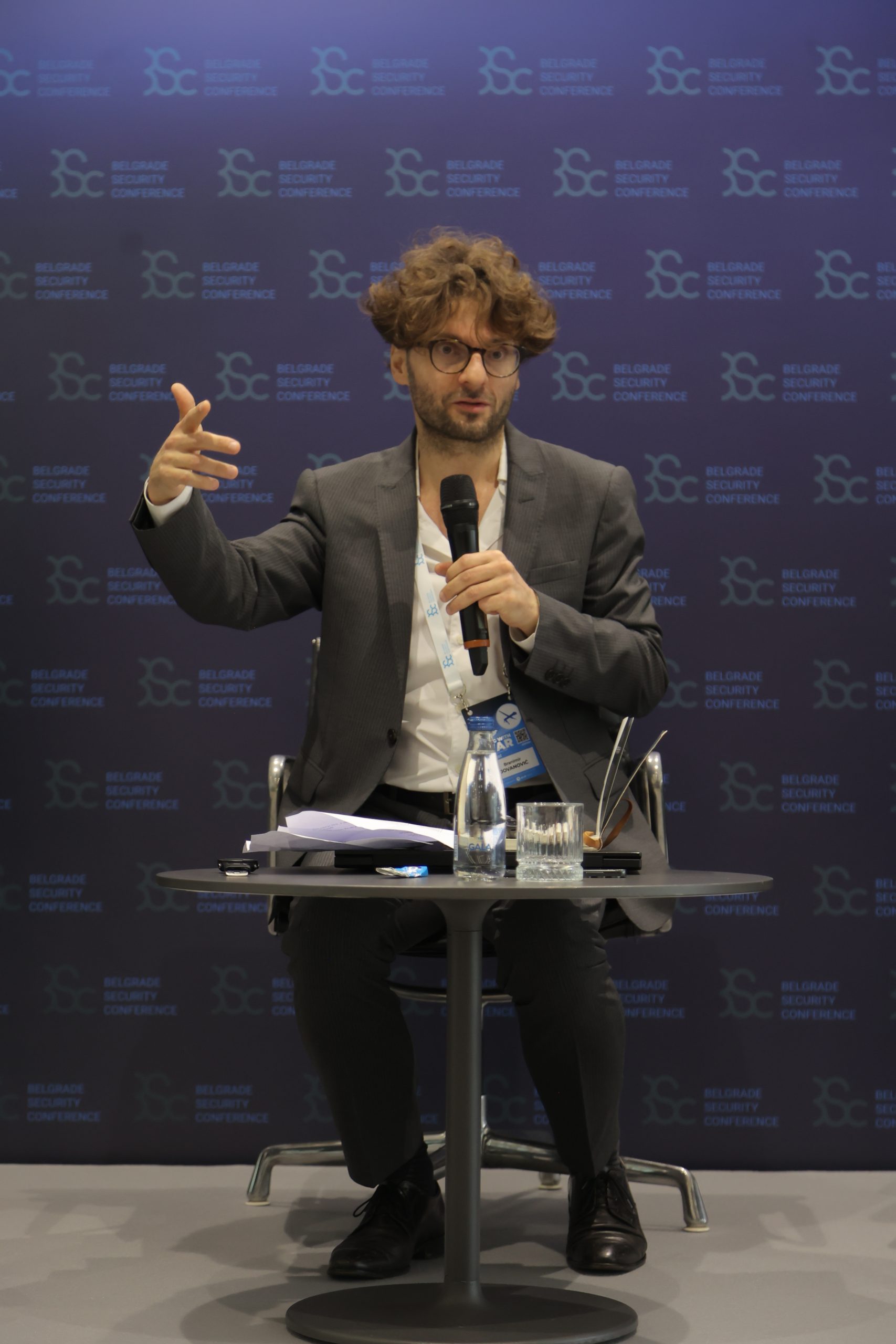
The panel was opened by the moderator, Branimir Jovanović, economist at the Vienna Institute for International Economic Studies, who painted a picture of the current situation of the candidature process that Western Balkan countries and countries such as Ukraine and Moldova are experiencing. Before starting the discussion, he described the GEO-POWER-EU research project and its methodology, which included a 2-year research process, 100 interviews, 20 focus groups, uniting 9 countries and using a unique tool – serious games.
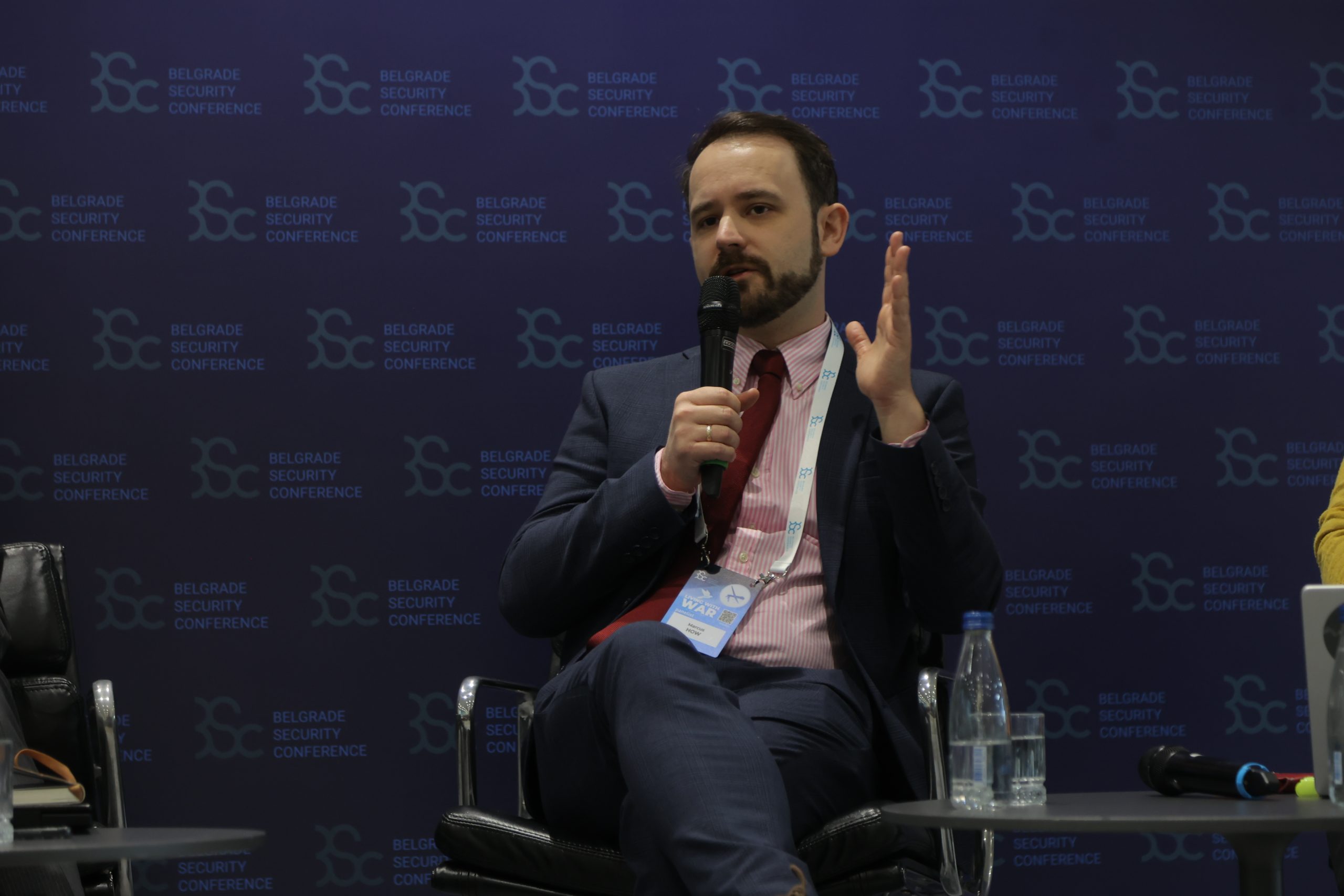
The panel was split into several rounds of questions, starting with Marcus How, Head of Research and Analysis at VE Insight, who focused on the comparison of the answers in the room vs. the answers their research collected. The four different scenarios were created by 45 human experts and 45 AI bots. The human experts were more pessimistic, favouring the status quo scenario with deepened economic integration into the EU, while the ‘nightmare scenario’ implied competitive fragmentation between candidate states.
On the other hand, Filip Ejdus, Professor of International Relations at the Faculty of Political Science, University of Belgrade, spoke about the serious games themselves and their use in teaching, advocacy and training, emphasising that their game was played out in the context of a future peace deal for Ukraine, with the main focus on the period from June 2028 to June 2029.
Nikolaos Tzifakis, Professor of International Relations at the Department of Political Science and International Relations, University of the Peloponnese, continued to discuss the panellists’ proposal for a reformed decision-making process in the EU and the EU Commission’s proposal on qualified majority voting. He welcomed the Commission’s step but warned it was not enough, stressing the Council is still deadlocked, and shared his concern about countries aiming to veto and slow down the accession process. Following, Sonja Stojanović Gajić, Senior Research Fellow at the Center for Advanced Studies South East Europe, University of Rijeka, spoke on her opinion towards candidate countries integrating themselves in EU defence projects. She believes that, ”in theory”, the Commission wishes for faster integration and common defence, but that, ”on paper”, it is only afraid of foreign influence in candidate countries. Therefore, she called for the need to focus on internal problems – democratisation, liberalisation and decriminalising intelligence and surveillance systems.
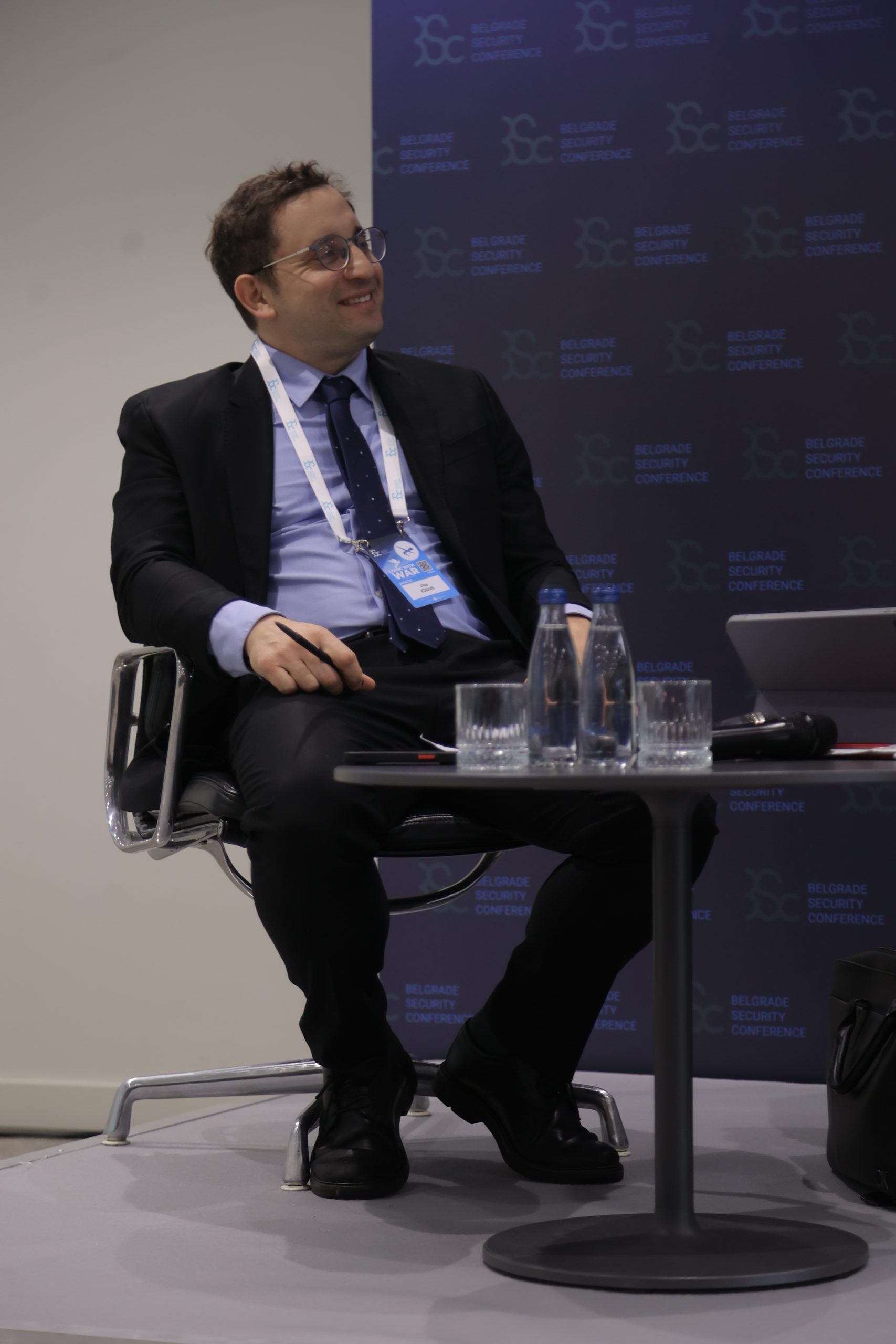
In the second round of questions, Mr How emphasised that AI bridged the gap between the professional backgrounds of the human experts. A key takeaway from this intervention was that AI is more conservative and less willing to take risks because of its ”additive reasoning”. Mr Ejdus, on the other hand, continued explaining the methodology of their game, which is not used as a prediction tool but rather as a tool to ”shape potential plausible scenarios”. He shared insights that the EU needs to be a more credible security actor, providing security guarantees for candidates such as Ukraine, warning that if this goal is not reached, candidate countries could continue ”hedging strategies”.
Mr Tzifakis continued his intervention on their proposal, which envisions a gradual approach to reform. Mr Tzifakis stated that their team proposes a reinforced qualified majority system, with an example of 72% among countries’ members, accompanied by an emergency break whenever a member state raises a question of national interest – for clusters 1, 3 and chapters 34 and 35. For cluster 5, a reinforced qualified majority voting without an emergency break, and for technical questions, a reversed qualified majority voting, with a goal of gradually limiting the veto power in technical aspects of accession. Ms Stojanović Gajić, on the other hand, spoke on the risk of joining EU defence mechanisms, stating that ”any country needs to invest in defence”, warning that even neutral countries like Switzerland and Austria do not finance their long-term defence alone. She highlighted the fact that Serbia buys most of its weapons from China but also emphasised that there could be a future opportunity for Serbia to position its defence industry for investment towards the EU, given it is the biggest in the region.
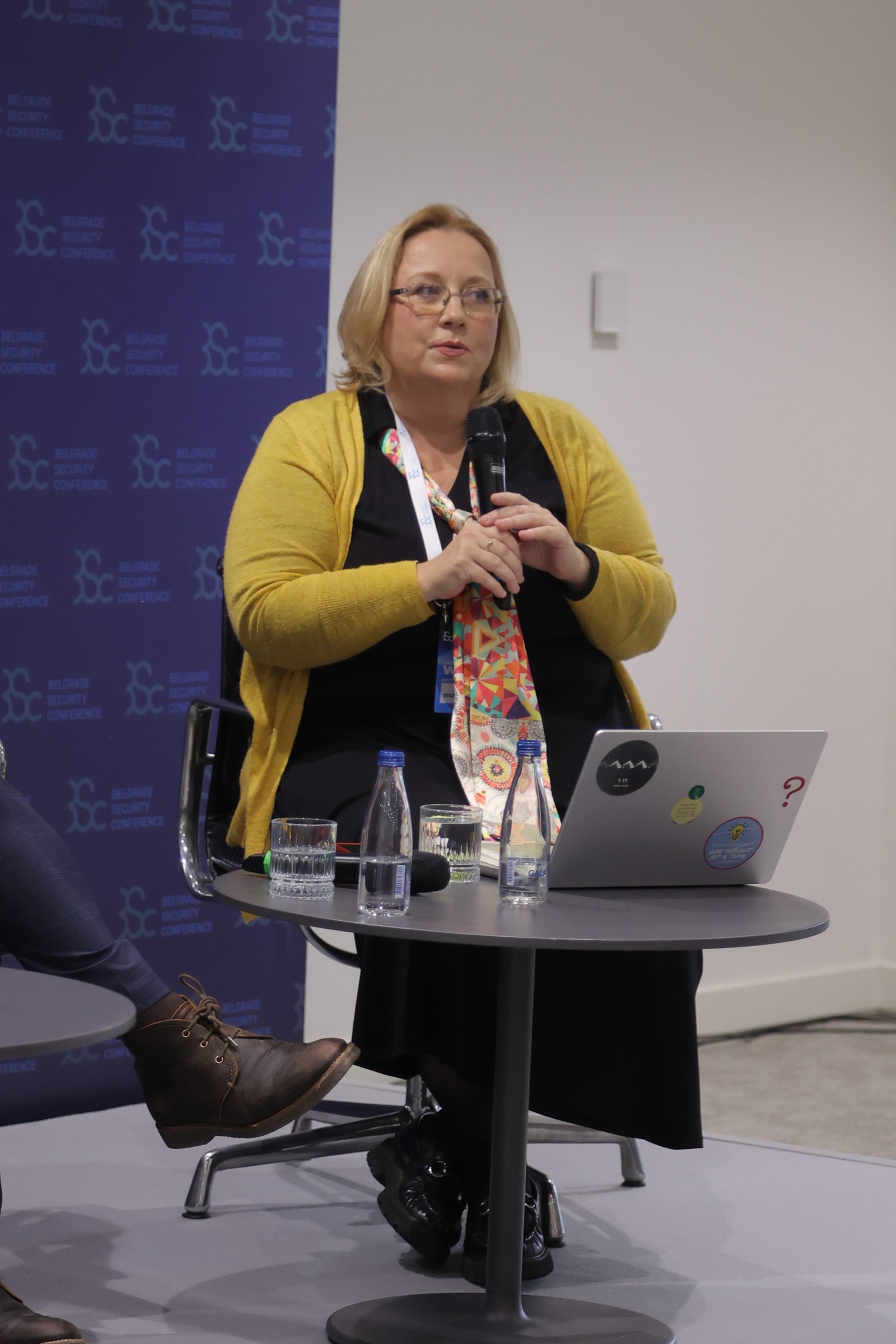
After a round of questions from the audience, the last round of the panel started with Mr How, who spoke on the dilemma when candidate countries diversify their relations with non-EU countries. He stressed the potential challenge where cooperation with non-EU countries creates sectors or industries within the candidate countries that become incompatible with EU standards and US and NATO standards. Mr Ejdus deepened his answer on the game methodology, highlighting its strength as a non-linear projection tool, which resonates with our human need for fun and preparation for the unexpected, and stated that it gives us the opportunity to come up with ”scenarios nobody could have planned”. Mr Tzifakis deepened his response to the Proposal, marking that it would tangibly eliminate the veto in 26 out of 35 chapters. Ms Stojanović Gajić closed by touching on the defence cooperation and the Student List possible decision and saying that the new government should ask for assistance from the EU to tackle corruption, request special mechanisms outside the accession process to address vetting such as Albania, Moldova and Ukraine, and lastly stressed the need to depoliticise the police and surveillance in Serbia, which would bring it closer to the democratic and freedom requirements of the EU.
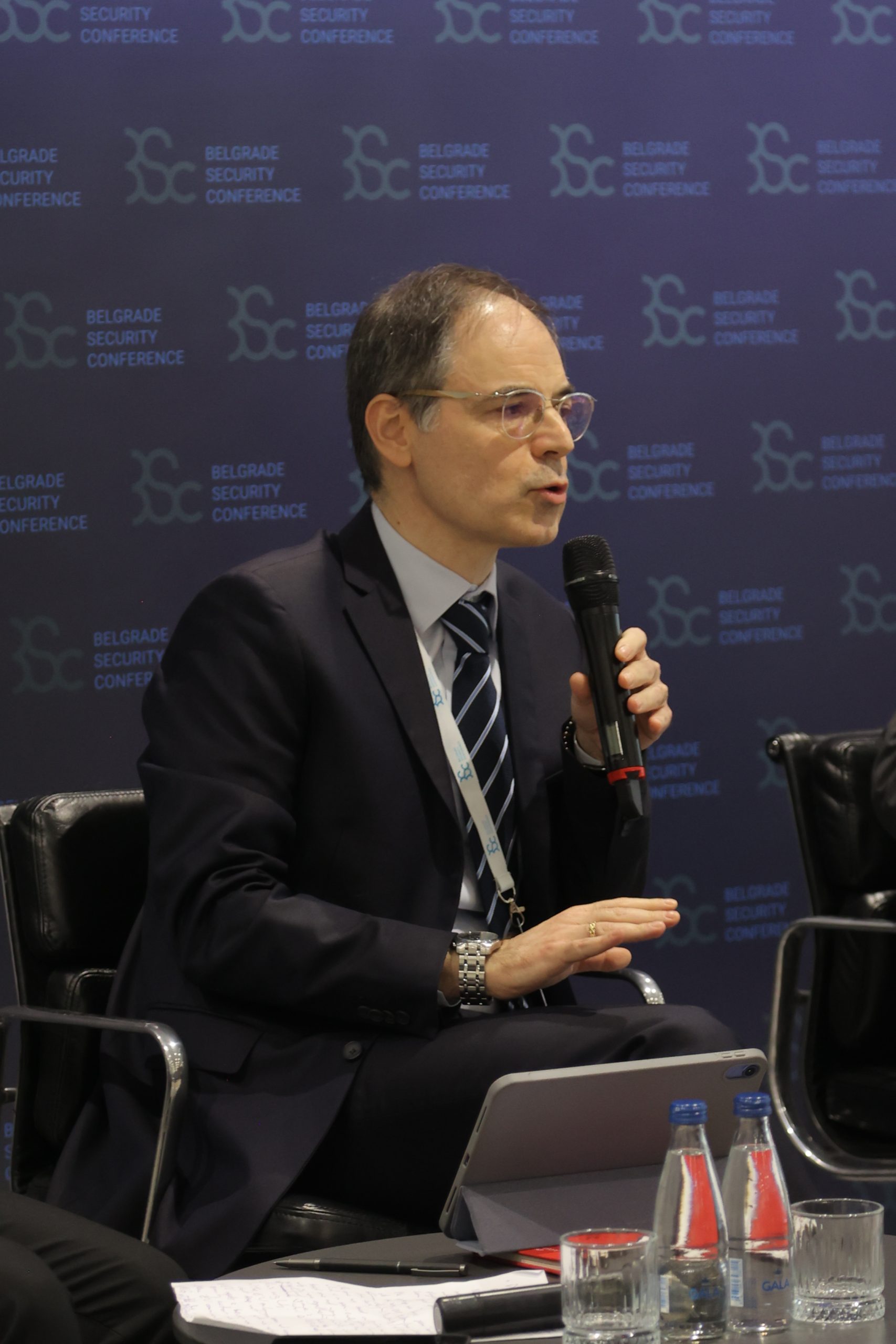
The panel ended with another round of questions and a note that the EU and international community should give a ”grace period” to the new government in Serbia, allowing it to tackle corruption, state capture and democratisation, rather than instantly focusing on foreign policy. The panellists agreed that this internal approach would bring Serbia back on its EU path more strongly than simply focusing on foreign policy alignment with the EU.